GDR155/GDR155-A
Halaman 1
SERVICE MANUAL GDR155/GDR155-A 2017 B63-F8197-EZ

Diambil langsung dari isi dokumen — jawaban ini mengutip halaman spesifik dari PDF manual ini.
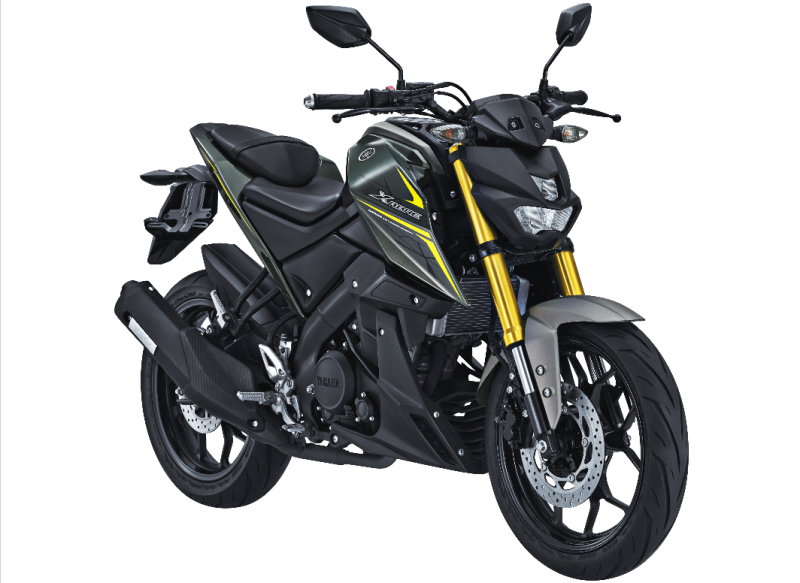
Jawaban seputar perawatan dan perbaikan Yamaha Aerox GDR155 2017 berdasarkan buku pedoman ini.
Apakah konten ini membantu?
Halaman 1
SERVICE MANUAL GDR155/GDR155-A 2017 B63-F8197-EZ
Halaman 2
EAS20003 IMPORTANT This manual was produced by the Yamaha Motor Vietnam Co.,Ltd. primarily for use by Yamaha dealers and their qualified mechanics. It is not possible to include all the knowledge of a mechanic in one man- ual. Therefore, anyone who uses this book to perform maintenance and repairs on Yamaha vehicles should have a basic understanding of mechanics and the techniques to repair these types of vehicles. Repair and maintenance work attempted by anyone without this knowledge is likely to render the vehi- cle unsafe and unfit for use. Yamaha Motor Vietnam Co.,Ltd. is continually striving to improve all of its models. Modifications and significant changes in specifications or procedures will be forwarded to all authorized Yamaha dealers and will appear in future editions of this manual where applicable. TIP Designs and specifications are subject to change without notice. EAS30001 IMPORTANT MANUAL INFORMATION Particularly important information is distinguished in this manual by the following notations. This is the safety alert symbol. It is used to alert you to potential personal inju- ry hazards. Obey all safety messages that follow this symbol to avoid possible injury or death. A WARNING indicates a hazardous situation which, if not avoided, could result in death or serious injury. WARNING A NOTICE indicates special precautions that must be taken to avoid damage to the vehicle or other property. NOTICE A TIP provides key information to make procedures easier or clearer. TIP EAS20002 NVX SERVICE MANUAL ©2016 by Yamaha Motor Vietnam Co.,Ltd. 1st edition, December 2016 All rights reserved. Any reproduction or unauthorized use without the written permission of Yamaha Motor Vietnam Co.,Ltd. is expressly prohibited.
Halaman 3
EAS20004 HOW TO USE THIS MANUAL This manual is intended as a handy, easy-to-read reference book for the mechanic. Comprehensive explanations of all installation, removal, disassembly, assembly, repair and check procedures are laid out with the individual steps in sequential order. • The manual is divided into chapters and each chapter is divided into sections. The current section title “1” is shown at the top of each page. • Sub-section titles “2” appear in smaller print than the section title. • To help identify parts and clarify procedure steps, there are exploded diagrams “3” at the start of each removal and disassembly section. • Numbers “4” are given in the order of the jobs in the exploded diagram. A number indicates a disas- sembly step. • Symbols “5” indicate parts to be lubricated or replaced. Refer to “SYMBOLS”. • A job instruction chart “6” accompanies the exploded diagram, providing the order of jobs, names of parts, notes in jobs, etc. This step explains removal and disassembly procedure only. For installation and assembly procedure, reverse the steps. • Jobs “7” requiring more information (such as special tools and technical data) are described sequen- tially. 1 3 4 5 6 2 7
Halaman 4
EAS20005 SYMBOLS The following symbols are used in this manual for easier understanding. TIP The following symbols are not relevant to every vehicle. SYMBOL DEFINITION SYMBOL DEFINITION Serviceable with engine mounted Gear oil Filling fluid Molybdenum disulfide oil Lubricant Brake fluid Special tool Wheel bearing grease Tightening torque Lithium-soap-based grease T R . . Wear limit, clearance Molybdenum disulfide grease Engine speed Silicone grease Electrical data Apply locking agent (LOCTITE®). E New Engine oil Replace the part with a new one. Silicone fluid S G M BF B LS M S LT
Halaman 5
EAS10003 TABLE OF CONTENTS GENERAL INFORMATION 1 SPECIFICATIONS 2 PERIODIC CHECKS AND ADJUSTMENTS 3 CHASSIS 4 ENGINE 5 COOLING SYSTEM 6 FUEL SYSTEM 7 ELECTRICAL SYSTEM 8 9
Halaman 7
GENERAL INFORMATION IDENTIFICATION ............................................................................................1-1 VEHICLE IDENTIFICATION NUMBER .....................................................1-1 ENGINE SERIAL NUMBER ......................................................................1-1 IMPORTANT INFORMATION .........................................................................1-2 PREPARATION FOR REMOVAL AND DISASSEMBLY...........................1-2 REPLACEMENT PARTS...........................................................................1-2 GASKETS, OIL SEALS AND O-RINGS ....................................................1-2 LOCK WASHERS/PLATES AND COTTER PINS .....................................1-2 BEARINGS AND OIL SEALS....................................................................1-3 CIRCLIPS..................................................................................................1-3 RUBBER PARTS.......................................................................................1-3 BASIC SERVICE INFORMATION...................................................................1-4 QUICK FASTENERS.................................................................................1-4 ELECTRICAL SYSTEM.............................................................................1-5 SPECIAL TOOLS ..........................................................................................1-10 1
Halaman 8
EAS20007 IDENTIFICATION EAS30002 VEHICLE IDENTIFICATION NUMBER The vehicle identification number “1” is stamped into the frame. 1 EAS30004 ENGINE SERIAL NUMBER The engine serial number “1” is stamped into the crankcase. 1 1-1 IDENTIFICATION
Halaman 9
EAS20009 IMPORTANT INFORMATION EAS30006 PREPARATION FOR REMOVAL AND DISASSEMBLY 1. Before removal and disassembly, remove all dirt, mud, dust and foreign material. 2. Use only the proper tools and cleaning equip- ment. Refer to “SPECIAL TOOLS” on page 1-10. 3. When disassembling, always keep mated parts together. This includes gears, cylinders, pistons and other parts that have been “mat- ed” through normal wear. Mated parts must always be reused or replaced as an assem- bly. 4. During disassembly, clean all of the parts and place them in trays in the order of disassem- bly. This will speed up assembly and allow for the correct installation of all parts. 5. Keep all parts away from any source of fire. EAS30007 REPLACEMENT PARTS Use only genuine Yamaha parts for all replace- ments. Use oil and grease recommended by Yamaha for all lubrication jobs. Other brands may be similar in function and appearance, but inferior in quality. 1-2 IMPORTANT INFORMATION EAS30008 GASKETS, OIL SEALS AND O-RINGS 1. When overhauling the engine, replace all gaskets, seals and O-rings. All gasket surfac- es, oil seal lips and O-rings must be cleaned. 2. During reassembly, properly oil all mating parts and bearings and lubricate the oil seal lips with grease. 1. Oil 2. Lip 3. Spring 4. Grease EAS30009 LOCK WASHERS/PLATES AND COTTER PINS After removal, replace all lock washers/plates “1” and cotter pins. After the bolt or nut has been tightened to specification, bend the lock tabs along a flat of the bolt or nut.
Halaman 10
EAS30010 BEARINGS AND OIL SEALS Install bearings “1” and oil seals “2” so that the manufacturer’s marks or numbers are visible. When installing oil seals, lubricate the oil seal lips with a light coat of lithium-soap-based grease. Oil bearings liberally when installing, if appropriate. ECA13300 NOTICE Do not spin the bearing with compressed air because this will damage the bearing surfac- es. EAS30011 CIRCLIPS Before reassembly, check all circlips carefully and replace damaged or distorted circlips. Al- ways replace piston pin clips after one use. When installing a circlip “1”, make sure the sharp-edged corner “2” is positioned opposite the thrust “3” that the circlip receives. 1-3 IMPORTANT INFORMATION EAS30012 RUBBER PARTS Check rubber parts for deterioration during in- spection. Some of the rubber parts are sensitive to gasoline, flammable oil, grease, etc. Do not al- low any items other than the specified one to contact the parts.
Halaman 11
EAS20010 BASIC SERVICE INFORMATION EAS30013 QUICK FASTENERS Rivet type 1. Remove: • Quick fastener TIP To remove the quick fastener, push its pin with a screwdriver, then pull the fastener out. 2. Install: • Quick fastener TIP To install the quick fastener, push its pin so that it protrudes from the fastener head, then insert the fastener into the part to be secured and push the pin in with a screwdriver. Make sure that the pin is flush with the fastener’s head. 1-4 BASIC SERVICE INFORMATION Screw type 1. Remove: • Quick fastener TIP To remove the quick fastener, loosen the screw with a screwdriver, then pull the fastener out. 2. Install: • Quick fastener TIP To install the quick fastener, insert the fastener into the part to be secured and tighten the screw.
Halaman 12
EAS30014 ELECTRICAL SYSTEM Electrical parts handling ECA16600 NOTICE Never disconnect a battery lead while the en- gine is running; otherwise, the electrical components could be damaged. ECA16751 NOTICE When disconnecting the battery leads from the battery, be sure to disconnect the nega- tive battery lead first, then the positive bat- tery lead. If the positive battery lead is disconnected first and a tool or similar item contacts the vehicle, a spark could be gener- ated, which is extremely dangerous. TIP If a battery lead is difficult to disconnect due to rust on the battery terminal, remove the rust us- ing hot water. 1-5 BASIC SERVICE INFORMATION ECA16760 NOTICE Be sure to connect the battery leads to the correct battery terminals. Reversing the bat- tery lead connections could damage the electrical components. ECA16771 NOTICE When connecting the battery leads to the battery, be sure to connect the positive bat- tery lead first, then the negative battery lead. If the negative battery lead is connected first and a tool or similar item contacts the vehi- cle while the positive battery lead is being connected, a spark could be generated, which is extremely dangerous. ECA16610 NOTICE Turn the main switch to “OFF” before dis- connecting or connecting an electrical com- ponent.
Halaman 13
ECA16620 NOTICE Handle electrical components with special care, and do not subject them to strong shocks. ECA16630 NOTICE Electrical components are very sensitive to and can be damaged by static electricity. Therefore, never touch the terminals and be sure to keep the contacts clean. TIP When resetting the ECU by turning the main switch to “OFF”, be sure to wait approximately 5 seconds before turning the main switch back to “ON”. 1-6 BASIC SERVICE INFORMATION Checking the electrical system TIP Before checking the electrical system, make sure that the battery voltage is at least 12 V. ECA14371 NOTICE Never insert the tester probes into the cou- pler terminal slots. Always insert the probes from the opposite end “a” of the coupler, tak- ing care not to loosen or damage the leads. a ECA16640 NOTICE For waterproof couplers, never insert the tester probes directly into the coupler. When performing any checks using a waterproof coupler, use the specified test harness or a suitable commercially available test har- ness.
Halaman 14
Checking the connections Check the leads, couplers, and connectors for stains, rust, moisture, etc. 1. Disconnect: • Lead • Coupler • Connector ECA16780 NOTICE • When disconnecting a coupler, release the coupler lock, hold both sections of the cou- pler securely, and then disconnect the cou- pler. • There are many types of coupler locks; therefore, be sure to check the type of cou- pler lock before disconnecting the coupler. ECA16790 NOTICE When disconnecting a connector, do not pull the leads. Hold both sections of the connec- tor securely, and then disconnect the con- nector. 1-7 BASIC SERVICE INFORMATION 2. Check: • Lead • Coupler • Connector Moisture Dry with an air blower. Rust/stains Connect and disconnect sev- eral times. 3. Check: • All connections Loose connection Connect properly. TIP • If the pin “1” on the terminal is flattened, bend it up. • After disassembling and assembling a coupler, pull on the leads to make sure that they are in- stalled securely. 1
Halaman 15
4. Connect: • Lead • Coupler • Connector TIP • When connecting a coupler or connector, push both sections of the coupler or connector to- gether until they are connected securely. • Make sure all connections are tight. 5. Check: • Continuity (with the pocket tester) Pocket tester 90890-03112 Analog pocket tester YU-03112-C TIP • If there is no continuity, clean the terminals. • When checking the wire harness, perform steps (1) to (3). 1-8 BASIC SERVICE INFORMATION • As a quick remedy, use a contact revitalizer available at most part stores. 6. Check: • Resistance Pocket tester 90890-03112 Analog pocket tester YU-03112-C TIP The resistance values shown were obtained at the standard measuring temperature of 20 °C (68 °F). If the measuring temperature is not 20 °C (68 °F), the specified measuring conditions will be shown. Coolant temperature sensor re- sistance 2512-2777 at 20 °C (2512-2777 at 68 °F) Coolant temperature sensor re- sistance 210–221 at 100 °C (210–221 at 212 °F)
Halaman 16
BASIC SERVICE INFORMATION --- 1-9
Halaman 17
EAS20012 SPECIAL TOOLS The following special tools are necessary for complete and accurate tune-up and assembly. Use only the appropriate special tools as this will help prevent damage caused by the use of inappropriate tools or improvised techniques. Special tools, part numbers or both may differ depending on the country. When placing an order, refer to the list provided below to avoid any mistakes. TIP • For U.S.A. and Canada, use part numbers starting with “YM-”, “YU-”, or “ACC-”. • For others, use part numbers starting with “90890-”. Tool name/Tool No. Illustration Reference pages Pocket tester 90890-03112 Analog pocket tester YU-03112-C Tappet adjusting tool 90890-01311 Six piece tappet set YM-A5970 YM-A5970 Yamaha diagnostic tool USB 90890-03250 3-7, 3-8, 4-51, 4-55, 7-14, 7-14, 8-28, 8-69, 8-90 Yamaha diagnostic tool (A/I) 90890-03252 3-7, 3-8, 4-51, 4-55, 7-14, 7-14, 8-28, 8-69, 8-90 Steering nut wrench 90890-01403 Exhaust flange nut wrench YU-A9472 Thickness gauge 90890-03180 Feeler gauge set YU-26900-9 1-10 SPECIAL TOOLS 1-8, 1-8, 8-97, 8-98, 8-98, 8-99, 8-102, 8-103, 8-103, 8-103, 8-104, 8-104, 8-105, 8-105, 8-106, 8-107, 8-108, 8-108 3-7 ø9 ø8 ø10 ø3 ø4 3-14, 3-15, 4-69 4-26
Halaman 18
# SPECIAL TOOLS | Tool name/Tool No. | Illustration | Reference pages | | :--------------------------------------- | :----------- | :-------------- | | T-handle<br>90890-01326<br>T-handle 3/8" drive 60 cm long<br>YM-01326 | | 4-63, 4-64 | | Fork seal driver weight<br>90890-01367<br>Replacement hammer<br>YM-A9409-7 | 90890-01367<br><br>YM-A9409-7/YM-A5142-4 | 4-64, 4-65 | | Fork seal driver attachment (ø30)<br>90890-01400 | | 4-64, 4-65 | | Compression gauge<br>90890-03081<br>Engine compression tester<br>YU-33223 | 90890-03081<br><br>YU-33223 | 5-1 | | Extension<br>90890-04136 | | 5-1 | | Camshaft wrench<br>90890-04162<br>Camshaft wrench<br>YM-04162 | | 5-13, 5-17 | | Yamaha bond No. 1215<br>90890-85505<br>(Three bond No.1215®) | | 5-16, 5-55 | 1-11
Halaman 19
# SPECIAL TOOLS | Tool name/Tool No. | Illustration | Reference pages | | :--------------------------------------------------- | :----------- | :-------------- | | Slide hammer bolt | | 5-19 | | 90890-01085 | | | | Slide hammer bolt 8 mm | | | | YU-01083-2 | | | | Weight | | 5-19 | | 90890-01084 | | | | Weight | | | | YU-01083-3 | | | | Valve spring compressor | | 5-23, 5-28 | | 90890-04019 | | | | Valve spring compressor | | | | YM-04019 | | | | Valve spring compressor attachment | | 5-23, 5-28 | | 90890-04108 | | | | Valve spring compressor adapter 22 mm | | | | YM-04108 | | | | Valve guide remover (ø5) | | 5-24 | | 90890-04097 | | | | Valve guide remover (5.0 mm) | | | | YM-04097 | | | | Valve guide installer (ø5) | | 5-24 | | 90890-04098 | | | | Valve guide installer (5.0 mm) | | | | YM-04098 | | | | Valve guide reamer (ø5) | | 5-24 | | 90890-04099 | | | | Valve guide reamer (5.0 mm) | | | | YM-04099 | | | 1-12
Halaman 20
Tool name/Tool No. Illustration Reference pages Piston pin puller set 90890-01304 Piston pin puller YU-01304 YU-01304 Rotor holding tool 90890-01235 Universal magneto and rotor holder YU-01235 Rotor holding tool 90890-01701 5-37, 5-41 Socket wrench (39 mm) 90890-01493 5-37, 5-41 Sheave spring compressor 90890-04134 Sheave spring compressor YM-04134 1-13 SPECIAL TOOLS 5-30 5-37, 5-42, 5-44, 5-44 5-37, 5-40
Halaman 21
Tool name/Tool No. Illustration Reference pages Sheave fixed block 90890-04135 Sheave fixed bracket YM-04135 Oil seal guide (37 mm) 90890-04177 5-40 Flywheel puller 90890-01189 Flywheel puller YM-01189 Digital circuit tester 90890-03174 Model 88 Multimeter with tachometer YU-A1927 Crankcase separating tool 90890-01135 Crankcase separator YU-01135-B 1-14 SPECIAL TOOLS 5-37, 5-40 ø37 5-44 5-51, 8-106, 8-109 5-53
Halaman 22
## SPECIAL TOOLS | Tool name/Tool No. | Illustration | Reference pages | | :--------------------------------------------------------- | :----------- | :-------------- | | Crankshaft installer pot<br>90890-01274<br>Installing pot<br>YU-90058 | | 5-54 | | Crankshaft installer bolt<br>90890-01275<br>Bolt<br>YU-90060 | | 5-54 | | Adapter (M12)<br>90890-01278<br>Adapter #3<br>YU-90063 | | 5-54 | | Spacer (crankshaft installer)<br>90890-04081<br>Pot spacer<br>YM-91044 | | 5-54 | | Radiator cap tester<br>90890-05375 | | 6-3, 6-3 | | Mechanical seal installer<br>90890-04145 | | 6-8 | | Middle driven shaft bearing driver<br>90890-04058<br>Middle drive bearing installer 40 & 50 mm<br>YM-04058 | | 6-8 | 1-15
Halaman 23
# SPECIAL TOOLS | Tool name/Tool No. | Illustration | Reference pages | | :------------------------------------- | :----------- | :-------------- | | Pressure gauge | | 7-4 | | 90890-03153 | | | | Pressure gauge | | | | YU-03153 | | | | Fuel pressure adapter 6.3mm | | 7-4 | | 90890-03227 | | | | Ignition checker | | 8-105 | | 90890-06754 | | | | Oppama pet–4000 spark checker | | | | YM-34487 | | | 1-16
Halaman 24
SPECIAL TOOLS ____ 1-17
Halaman 25
SPECIFICATIONS GENERAL SPECIFICATIONS ........................................................................2-1 ENGINE SPECIFICATIONS ............................................................................2-2 CHASSIS SPECIFICATIONS..........................................................................2-6 ELECTRICAL SPECIFICATIONS ...................................................................2-8 TIGHTENING TORQUES ..............................................................................2-10 GENERAL TIGHTENING TORQUE SPECIFICATIONS.........................2-10 ENGINE TIGHTENING TORQUES.........................................................2-11 CHASSIS TIGHTENING TORQUES.......................................................2-13 LUBRICATION POINTS AND LUBRICANT TYPES ....................................2-15 ENGINE...................................................................................................2-15 LUBRICATION SYSTEM CHART AND DIAGRAMS....................................2-16 ENGINE OIL LUBRICATION CHART .....................................................2-16 LUBRICATION DIAGRAMS ....................................................................2-17 COOLING SYSTEM DIAGRAMS..................................................................2-19 CABLE ROUTING .........................................................................................2-20 2
Halaman 26
GENERAL SPECIFICATIONS EAS20013 GENERAL SPECIFICATIONS --- **Model** Model | B631/B633 --- **Dimensions** Overall length | 1990 mm (78.3 in) Overall width | 700 mm (27.5 in) Overall height | 1125 mm (44.3 in) Seat height | 790 mm (31.1 in) Wheelbase | 1350 mm (53.1 in) Ground clearance | 140 mm (5.50 in) Minimum turning radius | 2.0 m --- **Weight** Curb weight | 116 kg (255 lb) (GDR155) | 118 kg (260 lb) (GDR155-A) Maximum load | 154 kg (339 lb) (GDR155) | 153 kg (336 lb) (GDR155-A) --- 2-1
Halaman 27
EAS20014 ENGINE SPECIFICATIONS Engine Engine type Liquid cooled 4-stroke, SOHC Displacement 155 cm³ Cylinder arrangement Single cylinder Bore stroke 58.0 58.7 mm (2.28 2.31 in) Compression ratio 10.5 : 1 Compression pressure 1374–1769 kPa/1393 r/min Starting system Electric starter Fuel Recommended fuel Regular unleaded gasoline (Gasohol [E10] acceptable) Fuel tank capacity 4.6 L (1.2 US gal, 1.1 lmp.gal) Fuel reserve amount 0.8 L Engine oil Lubrication system Wet sump Recommended brand YAMALUBE Type SAE 10W-40 Recommended engine oil grade API service SG type or higher, JASO standard MA or MB Engine oil quantity Quantity (disassembled) 1.00 L (1.06 US qt, 0.88 Imp.qt) Periodic oil change 0.90 L (0.95 US qt, 0.79 Imp.qt) Final transmission oil Type Motor oil SAE 10W-30 type SE or higher or Gear oil SAE 85W GL-3 Quantity (disassembled) 0.16 L (0.17 US qt, 0.14 Imp.qt) Quantity 0.15 L (0.16 US qt, 0.13 Imp.qt) Oil filter Oil filter type Centrifugal Oil pump Inner-rotor-to-outer-rotor-tip clearance 0.150 mm (0.0059 in) Limit 0.23 mm (0.0091 in) Outer-rotor-to-oil-pump-housing clearance 0.13–0.18 mm (0.0051–0.0071 in) Limit 0.22 mm (0.0086 in) Oil-pump-housing-to-inner-and-outer-rotor clearance 0.06–0.11 mm (0.0024–0.0043 in) Limit 0.18 mm (0.0071 in) Coolant quantity Radiator (including all routes) 0.46 L (0.49 US qt, 0.40 Imp.qt) Coolant reservoir (up to the maximum level mark) 0.13 L (0.13 US qt, 0.11 lmp.qt) 2-2 ENGINE SPECIFICATIONS
Halaman 28
# ENGINE SPECIFICATIONS Radiator cap valve opening pressure 78.6–137.4 kPa (0.79–1.37 kgf/cm², 11.4–19.9 psi) **Thermostat** Valve opening temperature 74.0–78.0 °C (165.20–172.40 °F) Valve full open temperature 90.0 °C (194.00 °F) Valve lift (full open) 7.0 mm (0.28 in) **Water pump** Water pump type Single suction centrifugal pump **Spark plug(s)** Manufacturer/model NGK/CPR8EA-9 DENSO/U24EPR-9 Spark plug gap 0.8–0.9 mm (0.031–0.035 in) **Cylinder head** Warpage limit 0.05 mm (0.0020 in) **Camshaft** Camshaft lobe dimensions Lobe height (Intake) 32.211–32.311 mm (1.2681–1.2721 in) Limit 32.111 mm (1.2642 in) Lobe height (Intake high speed) 32.587–32.687 mm (1.2830–1.2869 in) Limit (High speed) 32.487 mm (1.2790 in) Lobe height (Exhaust) 29.420–29.520 mm (1.1583–1.1622 in) Limit 29.320 mm (1.1543 in) Camshaft runout limit 0.030 mm (0.0012 in) **Rocker arm/rocker arm shaft** Rocker arm inside diameter 9.985–10.000 mm (0.3931–0.3937 in) Limit 10.015 mm (0.3943 in) Rocker arm shaft outside diameter 9.966–9.976 mm (0.3924–0.3928 in) Limit 9.935 mm (0.3911 in) **Valve, valve seat, valve guide** Valve clearance (cold) Intake 0.10–0.14 mm (0.0039–0.0055 in) Exhaust 0.21–0.25 mm (0.0083–0.0098 in) Valve dimensions Valve seat contact width (intake) 0.90–1.20 mm (0.0354–0.0472 in) Limit 1.7 mm (0.068 in) Valve seat contact width (exhaust) 0.90–1.20 mm (0.0354–0.0472 in) Limit 1.7 mm (0.068 in) **2-3**
Halaman 29
Valve stem diameter (intake) 4.975–4.990 mm (0.1959–0.1965 in) Limit 4.945 mm (0.1946 in) Valve stem diameter (exhaust) 4.960–4.975 mm (0.1953–0.1959 in) Limit 4.930 mm (0.1940 in) Valve guide inside diameter (intake) 5.000–5.012 mm (0.1969–0.1973 in) Valve guide inside diameter (exhaust) 5.000–5.012 mm (0.1969–0.1973 in) Valve-stem-to-valve-guide clearance (intake) 0.010–0.037 mm (0.0004–0.0015 in) Limit 0.080 mm (0.0032 in) Valve-stem-to-valve-guide clearance (exhaust) 0.025–0.052 mm (0.0010–0.0020 in) Limit 0.100 mm (0.0039 in) Valve stem runout 0.010 mm (0.0004 in) Valve spring Free length (intake) 33.81 mm (1.33 in) Limit 32.11 mm (1.26 in) Free length (exhaust) 33.81 mm (1.33 in) Limit 32.11 mm (1.26 in) Spring tilt (intake) 1.7 mm (0.068 in) Spring tilt (exhaust) 1.7 mm (0.068 in) Cylinder Bore 58.000–58.010 mm (2.2835–2.2839 in) Wear limit 58.060 mm (2.3224 in) Piston Diameter 57.962–57.985 mm (2.2820–2.2829 in) Measuring point (from piston skirt bottom) 6.0 mm (0.24 in) Piston pin bore inside diameter 14.002–14.013 mm (0.5513–0.5517 in) Limit 14.043 mm (0.5529 in) Piston pin outside diameter 13.995–14.000 mm (0.5510–0.5512 in) Limit 13.975 mm (0.5502 in) Piston-pin-to-piston-pin-bore clearance 0.002–0.018 mm (0.0001–0.0007 in) Piston ring Top ring Ring type Barrel End gap (installed) 0.10–0.25 mm (0.0039–0.0098 in) Limit 0.50 mm (0.0197 in) Ring side clearance 0.030–0.065 mm (0.0012–0.0026 in) Limit 0.115 mm (0.0045 in) 2nd ring Ring type Taper End gap (installed) 0.35–0.50 mm (0.0138–0.0197 in) Limit 0.85 mm (0.0335 in) Ring side clearance 0.020–0.055 mm (0.0008–0.0022 in) Limit 0.115 mm (0.0045 in) Crankshaft Crank assembly width 51.45–51.50 mm (2.026–2.028 in) Runout limit 0.030 mm (0.0012 in) 2-4 ENGINE SPECIFICATIONS
Halaman 30
# ENGINE SPECIFICATIONS ## Clutch * Clutch type: Dry, centrifugal automatic ## Automatic centrifugal clutch * Clutch shoe thickness: 4.0 mm (0.16 in) * Limit: 2.5 mm (0.10 in) * Clutch shoe spring free length: 29.5 mm (1.16 in) * Clutch housing inside diameter: 125.0 mm (4.92 in) * Limit: 125.5 mm (4.94 in) * Compression spring free length: 116.4 mm (4.58 in) * Limit: 104.8 mm (4.12 in) * Weight outside diameter: 20.0 mm (0.79 in) * Limit: 19.5 mm (0.77 in) * Clutch-in revolution: 2200–2600 r/min * Clutch-stall revolution: 5000–5600 r/min ## V-belt * V-belt width: 24.1 mm (0.95 in) * Limit: 21.7 mm (0.85 in) ## Transmission * Transmission type: V-belt automatic * Primary reduction ratio: 1.000 * Secondary reduction ratio: 10.769 (56/16 × 40/13) * Final drive: Gear * Gear ratio: 2.300–0.724 : 1 ## Air filter * Air filter element: Oil-coated paper element ## Fuel injector * Resistance: 12.2 Ω ## Throttle body * ID mark: B631 00 ## Fuel injection sensor * Intake air pressure sensor output voltage: 3.88–4.12 V at 101.3 kPa (3.88–4.12 V at 1.01 kgf/cm², 3.88–4.12 V at 14.7 psi) * Intake air temperature sensor resistance: 5850.0–6150.0 Ω at 0 °C (5850.0–6150.0 Ω at 32 °F) * Coolant temperature sensor resistance: 2512–2777 Ω at 20 °C (2512–2777 Ω at 68 °F) * Coolant temperature sensor resistance: 210–221 Ω at 100 °C (210–221 Ω at 212 °F) ## Idling condition * Fuel line pressure at idling: 220–300 kPa (2.2–3.0 kgf/cm², 31.9–43.5 psi) * Engine idling speed: 1500–1700 r/min * CO% (Muffler tail pipe): 0.0–1.0 % * Water temperature: 80 °C (175.2 °F) * Throttle grip free play: 3.0–5.0 mm (0.12–0.20 in) 2-5
Halaman 31
CHASSIS SPECIFICATIONS EAS20015 # CHASSIS SPECIFICATIONS ## Chassis * Frame type: Underbone * Caster angle: 26.5° * Trail: 95 mm (3.7 in) ## Front wheel * Wheel type: Cast wheel * Rim size: 14M/C × MT2.50 * Rim material: Aluminum * Radial wheel runout limit: 1.0 mm (0.04 in) * Lateral wheel runout limit: 1.0 mm (0.04 in) ## Rear wheel * Wheel type: Cast wheel * Rim size: 14M/C × MT3.50 * Rim material: Aluminum * Radial wheel runout limit: 1.0 mm (0.04 in) * Lateral wheel runout limit: 1.0 mm (0.04 in) ## Front tire * Type: Tubeless * Size: 110/80-14M/C 53P * Manufacturer/model: IRC/SCT-005F * Wear limit (front): 1.0 mm (0.04 in) ## Rear tire * Type: Tubeless * Size: 140/70-14M/C 62P * Manufacturer/model: IRC/SCT-005R * Wear limit (rear): 1.0 mm (0.04 in) ## Tire air pressure (measured on cold tires) * Front (1 person): 200 kPa (2.00 kgf/cm², 29 psi) * Rear (1 person): 225 kPa (2.25 kgf/cm², 33 psi) * Front (2 persons): 200 kPa (2.00 kgf/cm², 29 psi) * Rear (2 persons): 225 kPa (2.25 kgf/cm², 33 psi) ## Front brake * Type: Hydraulic single disc brake * Front disc brake * Disc outside diameter × thickness: 230.0 × 4.0 mm (9.06 × 0.16 in) * Brake disc thickness limit: 3.5 mm (0.14 in) * Brake disc runout limit (as measured on wheel): 0.15 mm (0.0059 in) * Brake pad lining thickness: 4.4 mm (0.17 in) * Limit: 0.8 mm (0.03 in) 2-6
Halaman 32
# CHASSIS SPECIFICATIONS | Specification | Value | | :--- | :--- | | Master cylinder inside diameter | 11.00 mm (0.43 in) | | Caliper cylinder inside diameter | 33.34 mm (1.31 in) | | Specified brake fluid | YAMAHA GENUINE BRAKE FLUID: DOT3 or DOT 4 (GDR155)<br>YAMAHA GENUINE BRAKE FLUID: DOT 4-Plus (GDR155-A) | ### Rear brake | Specification | Value | | :--- | :--- | | Type | Drum barke | | Rear barke lever free play | 10.0–20.0 mm (0.39–0.79 in) | | **Rear drum brake** | | | Drum brake type | Leading, trailing | | Brake drum inside diameter | 130.0 mm (5.12 in) | | Limit | 131.0 mm (5.16 in) | | Lining thickness | 4.5 mm (0.18 in) | | Limit | 2.0 mm (0.08 in) | | Shoe spring length | 52.0 mm (2.05 in) | | Shoe spring length 2 | 48.0 mm (1.89 in) | ### Steering | Specification | Value | | :--- | :--- | | Steering bearing type | Angular bearing | | Center to lock angle (left) | 47.5° | | Center to lock angle (right) | 47.5° | ### Front suspension | Specification | Value | | :--- | :--- | | Type | Telescopic fork | | Spring/shock absorber type | Coil spring/hydraulic damper | | Wheel travel | 100.0 mm (3.94 in) | | Fork spring free length | 282.1 mm (11.10 in) | | Limit | 276 mm (10.88 in) | | Recommended oil | Fork oil 10W or equivalent Yamaha Suspension Oil G10 | | Quantity | 55.0 cm³ (1.86 US oz, 1.93 Imp.oz) | | Level | 87.0 mm (3.06 in) | ### Rear suspension | Specification | Value | | :--- | :--- | | Type | Unit swing | | Spring/shock absorber type | Coil spring/hydraulic damper | | Wheel travel | 86.0 mm (3.39 in) | <br> **2-7**
Halaman 33
EAS20016 ELECTRICAL SPECIFICATIONS Voltage System voltage 12 V Ignition system Ignition system TCI Advancer type Digital Ignition timing (B.T.D.C.) 5.0°/1600 r/min Ignition coil Primary coil resistance 2.16–2.64 Secondary coil resistance 8.64–12.96 k Spark plug cap Resistance 3.75–6.25 k AC magneto Standard output 14.0 V, 705 W at 5000 r/min Stator coil resistance 0.048–0.072 Battery Model GTZ7V Voltage, capacity 12 V, 6.0 Ah (10HR) Bulb voltage, wattage quantity Headlight LED Auxiliary light 12 V, 5.0 W 2 Tail/brake light LED Front turn signal light 12 V, 10.0 W 2 Rear turn signal light 12 V, 10.0 W 2 Meter lighting LED License plate light 12 V, 5.0 W 1 Indicator light Turn signal indicator light LED High beam indicator light LED Coolant temperature warning light LED Engine trouble warning light LED ABS warning light LED (GDR155-A) Stop and Start System indicator light LED (GDR155-A) Smart key system indicator light LED (GDR155-A) Starter generator Power output 0.29 kW Fuel sender unit Sender unit resistance (full) 10–14.0 Sender unit resistance (empty) 267–273.0 2-8 ELECTRICAL SPECIFICATIONS
Halaman 34
# ELECTRICAL SPECIFICATIONS ## Fuses | Fuse Name | Rating | | :----------------------- | :---------------------- | | Main fuse | 30.0 A | | Headlight fuse | 7.5 A | | Fuel injection system fuse | 7.5 A | | Signaling system fuse | 7.5 A | | Ignition fuse | 7.5 A | | Backup fuse | 7.5 A | | Terminal fuse 1 | 2.0 A | | ABS motor fuse | 10.0 A (GDR155-A) | | ABS control unit fuse | 2.0 A (GDR155-A) | | ABS solenoid fuse | 7.5 A (GDR155-A) | | Smart key system fuse | 2.0 A (GDR155-A) | | Spare fuse | 10.0 A (GDR155-A) | | Spare fuse | 30.0 A | | Spare fuse | 7.5 A | | Spare fuse | 2.0 A | 2-9
Halaman 35
EAS20017 TIGHTENING TORQUES EAS30015 GENERAL TIGHTENING TORQUE SPECIFICATIONS This chart specifies tightening torques for stan- dard fasteners with a standard ISO thread pitch. Tightening torque specifications for special com- ponents or assemblies are provided for each chapter of this manual. To avoid warpage, tight- en multi-fastener assemblies in a crisscross pat- tern and progressive stages until the specified tightening torque is reached. Unless otherwise specified, tightening torque specifications re- quire clean, dry threads. Components should be at room temperature. A. Distance between flats B. Outside thread diameter A (nut) B (bolt) General tightening torques N·m kgf·m lb·ft 10 mm 6 mm 6 0.6 4.3 12 mm 8 mm 15 1.5 11 14 mm 10 mm 30 3.0 22 17 mm 12 mm 55 5.5 40 19 mm 14 mm 85 8.5 61 22 mm 16 mm 130 13.0 94 2-10 TIGHTENING TORQUES
Halaman 36
## TIGHTENING TORQUES EAS30016 ### ENGINE TIGHTENING TORQUES | Item | Thread size | Q'ty | Tightening torque | Remarks | | :-------------------------------------- | :---------- | :--- | :----------------------------------------- | :------ | | Muffler nut | M8 | 2 | 20 N·m (2.0 kgf·m, 14 lb·ft) | | | Muffler bolt | M10 | 3 | 57 N·m (5.7 kgf·m, 41 lb·ft) | | | Muffler protector bolt | M6 | 2 | 8 N·m (0.8 kgf·m, 5.8 lb·ft) | | | Cylinder head bolt | M6 | 2 | 10 N·m (1.0 kgf·m, 7.2 lb·ft) | | | Cylinder head nut | M8 | 4 | 24 N·m (2.4 kgf·m, 17 lb·ft) | | | VVA (variable valve actuator) sole-noid bolt | M6 | 2 | 10 N·m (1.0 kgf·m, 7.2 lb·ft) | | | Cylinder head cover bolt | M6 | 4 | 10 N·m (1.0 kgf·m, 7.2 lb·ft) | | | Engine oil check bolt | M6 | 1 | 7 N·m (0.7 kgf·m, 5.1 lb·ft) | | | Camshaft sprocket bolt | M8 | 1 | 30 N·m (3.0 kgf·m, 22 lb·ft) | | | Spark plug | M10 | 1 | 13 N·m (1.3 kgf·m, 9.4 lb·ft) | | | Valve clearance adjusting screw locknut | M5 | 4 | 7 N·m (0.7 kgf·m, 5.1 lb·ft) | | | Coolant drain bolt (cylinder side) | M6 | 1 | 10 N·m (1.0 kgf·m, 7.2 lb·ft) | | | Radiator fan case bolt | M6 | 5 | 10 N·m (1.0 kgf·m, 7.2 lb·ft) | | | Radiator fan bolt | M6 | 3 | 10 N·m (1.0 kgf·m, 7.2 lb·ft) | | | Radiator bolt | M6 | 4 | 10 N·m (1.0 kgf·m, 7.2 lb·ft) | | | Coolant drain bolt (radiator side) | M12 | 1 | 1.0 N·m (0.10 kgf·m, 0.72 lb·ft) | | | Radiator cover bolt | M6 | 3 | 10 N·m (1.0 kgf·m, 7.2 lb·ft) | | | Fuel injector bolt | M6 | 1 | 10 N·m (1.0 kgf·m, 7.2 lb·ft) | | | ISC (Idle Speed Control) unit holder screw | M6 | 1 | 5 N·m (0.5 kgf·m, 3.6 lb·ft) | | | Air filter case bolt | M6 | 2 | 10 N·m (1.0 kgf·m, 7.2 lb·ft) | | | AC magneto rotor nut | M12 | 1 | 70 N·m (7.0 kgf·m, 51 lb·ft) | | | Transmission case cover bolt | M8 | 6 | 20 N·m (2.0 kgf·m, 14 lb·ft) | | | Final transmission oil drain bolt | M8 | 1 | 20 N·m (2.0 kgf·m, 14 lb·ft) | | | V-belt case bolt | M6 | 10 | 10 N·m (1.0 kgf·m, 7.2 lb·ft) | | | Engine oil drain bolt | M12 | 1 | 20 N·m (2.0 kgf·m, 14 lb·ft) | | | V-belt case air filter element cover bolt | M6 | 6 | 7 N·m (0.7 kgf·m, 5.1 lb·ft) | | | Primary fixed sheave nut | M12 | 1 | 49 N·m (4.9 kgf·m, 35 lb·ft) | | | Clutch housing nut | M12 | 1 | 45 N·m (4.5 kgf·m, 33 lb·ft) | | | Secondary sheave nut | M28 | 1 | 55 N·m (5.5 kgf·m, 40 lb·ft) | | 2-11
Halaman 37
Cylinder head tightening sequence: 3 1 6 2-12 TIGHTENING TORQUES 4 2 5
Halaman 38
# TIGHTENING TORQUES EAS30017 ## CHASSIS TIGHTENING TORQUES | Item | Thread size | Q'ty | Tightening torque | Remarks | | :------------------------------------------------------ | :---------- | :--- | :------------------------------------------ | :------------------ | | Engine bracket nut | M10 | 1 | 54 N·m (5.4 kgf·m, 39 lb·ft) | | | Engine mounting nut (front side) | M10 | 2 | 50 N·m (5.0 kgf·m, 36 lb·ft) | | | Engine mounting nut (rear side) | M10 | 2 | 54 N·m (5.4 kgf·m, 39 lb·ft) | | | Grab bar bolt | M8 | 4 | 11 N·m (1.1 kgf·m, 8.0 lb·ft) | | | Seat hinge nut | M6 | 2 | 7 N·m (0.7 kgf·m, 5.1 lb·ft) | | | Storage box bolt | M6 | 4 | 9 N·m (0.9 kgf·m, 6.5 lb·ft) | | | Front brake master cylinder holder bolt | M6 | 2 | 10 N·m (1.0 kgf·m, 7.2 lb·ft) | | | Brake master cylinder reservoir cap screw | M4 | 2 | 1.5 N·m (0.15 kgf·m, 1.1 lb·ft) | | | Front brake hose union bolt (master cylinder side) | M10 | 1 | 29 N·m (2.9 kgf·m, 21 lb·ft) | | | Throttle cable holder bolt (handlebar switch side) | M5 | 1 | 3.5 N·m (0.35 kgf·m, 2.5 lb·ft) | | | Lower ring nut | M25 | 1 | See TIP. | | | Upper ring nut | M25 | 1 | See TIP. | | | Horn bracket bolt | M6 | 1 | 7 N·m (0.7 kgf·m, 5.1 lb·ft) | | | Horn bolt | M6 | 1 | 7 N·m (0.7 kgf·m, 5.1 lb·ft) | | | Lower bracket pinch bolt | M10 | 4 | 53 N·m (5.3 kgf·m, 38 lb·ft) | | | Front fork damper rod bolt | M10 | 2 | 23 N·m (2.3 kgf·m, 17 lb·ft) | [Note symbol] | | Front wheel sensor bolt | M6 | 1 | 7 N·m (0.7 kgf·m, 5.1 lb·ft) | | | Front brake caliper bolt | M10 | 2 | 35 N·m (3.5 kgf·m, 25 lb·ft) | | | Front brake hose union bolt (brake caliper side) | M10 | 1 | 29 N·m (2.9 kgf·m, 21 lb·ft) | | | Brake caliper bleed screw | M8 | 1 | 6 N·m (0.6 kgf·m, 4.3 lb·ft) | | | Front wheel axle nut | M10 | 1 | 26 N·m (2.6 kgf·m, 19 lb·ft) | | | Front brake hose holder bolt | M6 | 1 | 7 N·m (0.7 kgf·m, 5.1 lb·ft) | | | Front brake disc bolt | M8 | 3 | 23 N·m (2.3 kgf·m, 17 lb·ft) | [Note symbol] | | Front wheel sensor rotor bolt | M5 | 3 | 8 N·m (0.8 kgf·m, 5.8 lb·ft) | [Note symbol] | | Camshaft lever bolt | M6 | 1 | 7 N·m (0.7 kgf·m, 5.1 lb·ft) | | | Rear wheel axle nut | M16 | 1 | 95 N·m (9.5 kgf·m, 69 lb·ft) | | | Hydraulic unit assembly bolt | M6 | 2 | 7 N·m (0.7 kgf·m, 5.1 lb·ft) | | | Front brake hose union bolt (hydraulic unit assembly side) | M10 | 2 | 29 N·m (2.9 kgf·m, 21 lb·ft) | | | Starter generator control unit assembly bolt | M6 | 2 | 7 N·m (0.7 kgf·m, 5.1 lb·ft) | | | Rear shock absorber assembly nut (upper) | M8 | 2 | 23 N·m (2.3 kgf·m, 17 lb·ft) | | | Rear shock absorber assembly bolt (lower) | M8 | 2 | 23 N·m (2.3 kgf·m, 17 lb·ft) | | | Swingarm mounting bolt | M10 | 2 | 57 N·m (5.7 kgf·m, 41 lb·ft) | | | Fuel tank bolt | M6 | 4 | 9 N·m (0.9 kgf·m, 6.5 lb·ft) | | 2-13
Halaman 39
Item Thread size Q’ty Tightening torque Remarks Throttle cable holder bolt (throttle body side) M6 2 5 N·m (0.5 kgf·m, 3.6 lb·ft) Sidestand switch bolt M5 1 7 N·m (0.7 kgf·m, 5.1 lb·ft) Centerstand spring hook bolt M6 1 7 N·m (0.7 kgf·m, 5.1 lb·ft) Sidestand nut M8 1 32 N·m (3.2 kgf·m, 23 31 lb·ft) TIP Steering column ring nut 1. Tighten the lower ring nut 38 N·m (3.8 kgf·m, 27 lb·ft) with a torque wrench and the steering nut wrench, and then loosen the nut 1/4 turn. 2. Tighten the lower ring nut 16 N·m (1.6 kgf·m, 12 lb·ft) with a torque wrench and the steering nut wrench. 3. Install the rubber washer and the center ring nut. 4. Finger tighten the center ring nut, align the slots of both ring nuts, and then install the lock washer. 5. Hold the lower and center ring nuts, and then tighten the upper ring nut 75 N·m (7.5 kgf·m, 54 lb·ft) with a torque wrench and the steering nut wrench. 2-14 TIGHTENING TORQUES LT
Halaman 40
LUBRICATION POINTS AND LUBRICANT TYPES EAS20018 LUBRICATION POINTS AND LUBRICANT TYPES EAS30018 ENGINE Lubrication point Lubricant Bearings O-rings O-rings (cam shaft) Oil seals Rocker arm stopper pin Cylinder head nut contact face and stud bolt thread Camshaft lobes Decompression cam Rocker arm shafts Valve stems and valve guide (intake and exhaust) Valve stem seals Valve stem ends (intake and exhaust) Rocker arm valve inner surface Camshaft sprocket Connecting rod big end face Piston pin outer surface Piston, piston ring, and cylinder inner surface Crank pin Cam chain sprocket inner surface Oil pump drive gear inner surface Oil pump shaft O-ring (fuel injector) Starter wheel and bearing Starter clutch idle gear inner surface Drive axle and bearings Crankshaft threads and conical spring washer outer mating surface Timing chain tensioner bolts Yamaha bond No.1215® Crankcase mating surfaces Yamaha bond No.1215® Crankcase bolt Yamaha bond No.1215® 2-15 E LS M LS M M M M M M E M M M E E E E M M E E E M LS LS
Halaman 41
LUBRICATION SYSTEM CHART AND DIAGRAMS EAS20019 LUBRICATION SYSTEM CHART AND DIAGRAMS EAS30020 ENGINE OIL LUBRICATION CHART 1. Oil strainer 2. Oil pump assembly 3. Crankshaft 4. Oil nozzle 5. Camshaft 2-16 4 5 3 2 1
Halaman 42
LUBRICATION SYSTEM CHART AND DIAGRAMS EAS30021 LUBRICATION DIAGRAMS 1. Oil strainer 2. Oil pump assembly 3. Camshaft 2-17 3 2 1
Halaman 43
LUBRICATION SYSTEM CHART AND DIAGRAMS 2 1 1. Oil strainer 2. Oil pump assembly 3. Crankshaft 4. Rocker arm/Valve stem end 2-18 4 3
Halaman 44
COOLING SYSTEM DIAGRAMS EAS20020 COOLING SYSTEM DIAGRAMS 1. Radiator cap 2. Coolant reservoir hose 3. Radiator 4. Radiator inlet hose 5. Radiator outlet hose 6. Thermostat assembly 7. Water pump inlet hose 8. Water pump assembly 2-19
Halaman 45
EAS20021 CABLE ROUTING Handlebar (front view) (10) F (3) (8) (9) (6) (1) (2) (3) A (4) B (6) (5) (9) (8) E C D (7) (11) I (2) (3) G (6) (11) H 2-20
Halaman 46
1. Handlebar switch lead (right) 2. Front brake light switch lead 3. Front brake hose 4. Rear brake light switch lead 5. Handlebar switch lead (left) 6. Rear brake cable 7. Wire harness 8. Throttle cable (decelerator cable) 9. Throttle cable (accelerator cable) 10. Projection mark 11. Handlebar A. Cover the meter coupler with the meter coupler cover. B. Route the rear brake light switch lead above the left handlebar switch lead. C. Route the wire harness to the rear of the front brake hose. D. Secure the grommet by inserting the front brake hose grommet into the hose guide. E. Secure the holder by inserting the projection on the holder into the hole in the steering pipe. F. 73.5° G. Route the left handlebar switch couplers to the rear of the rear brake cable. H. Route the throttle cables through the hole of the handlebar cover. I. Route the right handlebar switch couplers to the rear of the front brake hose. 2-21 CABLE ROUTING
Halaman 47
Handlebar (left side view) 4 3 2 1 2-22 CABLE ROUTING 4 3 2 5 1 5
Halaman 48
CABLE ROUTING 1. Rear brake cable 2. Throttle cable 3. Front brake hose 4. Wire harness 5. Handlebar 2-23
Halaman 49
Headlight stay (right side view) B 1 5 4 C 1 5 2-24 CABLE ROUTING 6 7 A 2 3 2 4
Halaman 50
# CABLE ROUTING 1. Front brake hose 2. Front wheel sensor lead 3. Hydraulic unit 4. Fuel lid cable 5. Seat lock cable 6. Front brake pipe (hydraulic unit to front brake caliper) 7. Front brake pipe (front brake master cylinder to hydraulic unit) A. 30° B. GDR155-A C. GDR155 2-25
Halaman 51
Headlight stay (left side view) 1 3 2-26 CABLE ROUTING 3 A 1 2 3 4 1 5 B 1 3 3 1 5
Halaman 52
# CABLE ROUTING --- 1. Front wheel sensor lead 2. Front brake pipe (front brake master cylinder to hydraulic unit) 3. Front brake hose 4. Front brake pipe (hydraulic unit to front brake caliper) 5. Headlight stay A. GDR155-A B. GDR155 <br> <p align="center">2-27</p>
Halaman 53
CABLE ROUTING 2-28 Front fork (rear and right side view) A A J I B C D E F G H 1 2 2 3 2 4 5 6 7 1 7 5 5 5 6 6 6 4 1 1 6 5 5 6
Halaman 54
1. Horn lead 2. Horn 3. Front wheel sensor 4. Front brake caliper 5. Front brake hose 6. Front wheel sensor lead 7. Front brake hose holder A. Position the holder within the range shown in the illustration. B. Route the front brake hose through the guide. C. Secure the clamp by hooking the horn lead clamp into the hole of the front brake hose holder. D. Make sure the brake pipe touches the projection on the brake caliper. E. Inward F. Outward G. Forward H. Rearward I. Align the holder with the white paint mark on the brake hose. J. Align the gap in the holder with the white paint mark on the brake hose. 2-29 CABLE ROUTING
Halaman 55
**CABLE ROUTING** --- ### Front frame (left side view) *(Technical schematic diagram showing cable routing on the left side of the front frame)* #### Key Labels (in boxes): * **A** * **B** * **C** * **D** * **E** * **F** * **G** * **H** * **I** * **J** #### Numbered Callouts (in circles): * **①** * **②** * **③** * **④** * **⑤** * **⑥** * **⑦** * **⑧** --- **2-30**
Halaman 56
1. Rear brake cable 2. Throttle cable (decelerator cable) 3. Throttle cable (accelerator cable) 4. Fuel hose 5. Sidestand switch 6. Wire harness 7. Buzzer coupler (GDR155-A) 8. O2 sensor lead A. White tape B. Secure the grommet by inserting the fuel hose grommet into the hose guide. C. Route the sidestand switch lead through the cable guide. D. Insert the projection on the brake cable holder completely into the hole in the frame. E. Insert the projection on the wire harness holder completely into the hole in the headlight stay. F. Install the front wheel sensor coupler to the headlight stay. G. Route the buzzer lead as shown in the illustration. (GDR155-A) H. Fasten the rear brake cable and throttle cables with the holder. I. Route the O2 sensor lead between the cylinder head cover and the fuel hose bracket. J. Fasten the throttle cables with the holder. 2-31 CABLE ROUTING
Halaman 57
### CABLE ROUTING #### Rear frame (left side view) * **Numbered Components:** * ① * ② * ③ * ④ * ⑤ * ⑥ (with three detail views showing routing clips/guides) * ⑦ * ⑧ * ⑨ * ⑩ * ⑪ * ⑫ * ⑬ * ⑭ * ⑮ * ⑯ * ⑰ * ⑱ * **Lettered Reference Points/Instructions:** * **[A]** * **[B]** * **[C]** * **[D]** * **[E]** * **[F]** * **[G]** * **[H]** *** **2-32**
Halaman 58
1. Wire harness 2. License light lead 3. Rear turn signal light lead (left) 4. Rear turn signal light lead (right) 5. Tail/brake light lead 6. Rear brake cable 7. Yamaha diagnostic tool coupler 8. ABS test coupler (GDR155-A) 9. Starter generator lead 10. Ignition coil 11. Crankshaft position sensor lead 12. Engine ground 13. Ignition coil lead 14. Throttle body sensor assembly lead 15. ISC unit lead 16. Injector lead 17. O2 sensor lead 18. Fuel hose A. Fit the slot in the ABS test coupler onto the battery case rib. (GDR155-A) B. Route the VVA solenoid lead under the fuel hose. C. Route the starter generator lead above the wire harness. D. Secure the holder by inserting the wire harness holder into the hole of the bracket. E. Fasten the spark plug lead with the band and then secure the holder to the coolant reservoir hose bracket. F. Cut off the excess end of the band to less than 5 mm (0.20 in). G. Cut off the excess end of the band. H. Route the crankshaft position sensor lead above the starter generator lead. 2-33 CABLE ROUTING
Halaman 59
CABLE ROUTING Front frame (left side view) J I F ⑥ G C ② ① A H B ③ R ⑥K ⑦ ⑥ L ④ C ⑤ ⑧ ⑨ M E D C ⑪ P G C ⑪ ⑥Q ⑩ O N 2-34
Halaman 60
1. Main switch coupler 2. Hydraulic unit lead (GDR155-A) 3. Fuel lid cable 4. SGCU lead 5. Fuel pump lead 6. Seat lock cable 7. Frame 8. Fuel tank overflow hose 9. Inner fender 10.Frame ground lead 11.Sidestand switch lead A. Route the wire harness to the inside of the cross tube. B. Insert the projection on the fuel lid cable holder into the hole in the cover. C. Insert the projection on the wire harness holder into the hole in the frame. D. Route the coolant reservoir hose through the guide of the frame. E. Route the wire harness above the engine bracket. F. Route the seat lock cable to the outside of the holder. G. Insert the projection on the wire harness holder into the hole in the footrest board. H. Fasten the coolant reservoir hose at the white paint mark with the holder. Position the hose end facing forward. I. Route the seat lock cable through the bracket hole and route the cable between the wire harness and the frame. J. Fit the slot in the turn signal relay onto the leg shield rib. K. Route the seat lock cable between the wire harness holder and the frame. L. Route the seat lock cable to the inside of the footrest board. M. Insert the end of the fuel tank overflow hose into the inner fender. Make sure that the end of the hose protector on the fuel tank overflow hose contacts the edge of the hole in the inner fender. N. Install the frame ground lead terminal as shown in the illustration. O. Install the frame ground lead terminal so that the crimped section of the terminal that secures the lead is facing upward. P. Route the coolant reservoir hose to the inside of the sidestand switch lead. Q. Route the seat lock cable between the sidestand switch lead and the footrest board. R. Do not route this SGCU lead above the other SGCU leads. 2-35 CABLE ROUTING
Halaman 61
Rear frame (right side view) 1 1 F 2-36 CABLE ROUTING C 1 2 2 3 A 4 B 5 D E 6 7
Halaman 62
1. Seat lock cable 2. Wire harness 3. Coolant reservoir hose 4. Coolant temperature sensor lead 5. Spark plug lead 6. VVA solenoid 7. Radiator hose A. Fasten the coolant reservoir hose at the white paint mark with the holder. B. Insert the projection on the wire harness holder into the hole in the crankcase bracket. C. Insert the projection on the wire harness holder into the hole in the rear side cover. D. Route the spark plug lead between the VVA solenoid and the radiator hose. E. Route the wire harness through the guide of the frame. F. Route the seat lock cable through the hole of the rear frame. 2-37 CABLE ROUTING
Halaman 63
# CABLE ROUTING ## Frame (top view)  ### Details: * (1) * (2) * (3) * (4) * (5) * (6) * (7) * (8) * (9) * (10) * (11) * (12) * (13) * (14) * (15) * (16) ### Callouts: * A * B * C * D * E * F * G * H * I * J * K * L * M * N * O * P * Q * R * S * T * U * V 2-38
Halaman 64
1. Auxiliary DC jack lead 2. Buzzer (GDR155-A) 3. Turn signal relay 4. Main switch 5. Wire harness 6. Fuse box 7. Main relay 8. Starter charge relay 9. Fuse box 2 (GDR155-A) 10. Rear turn signal light lead 11. License light lead 12. Tail/brake light lead 13. Smart key unit lead (GDR155-A) 14. Horn lead 15. Seat lock cable 16. Smart key unit (GDR155-A) A. Fasten the sidestand switch lead with the band. Point the end of the band rearward. B. Route the sidestand switch lead between the wire harness and the coolant reservoir hose. C. Route the ABS test coupler lead above the relay. (GDR155-A) D. 30–40 mm (1.18–1.57 in) E. 10 mm (0.39 in) F. Fasten the license light lead, rear turn signal light lead, and tail/brake light lead with the plastic locking tie to the hole of the frame. G. Route the seat lock cable outside of the wire harness. H. Position the plastic locking tie to the rear of the rib on the grab bar. I. Be sure not to pinch the leads when installing the grab bar. J. Route the sidestand switch lead under the throttle cable and the fuel hose. K. Route the sidestand switch lead over the frame. L. Fasten the sidestand switch lead with the holder. M. Insert the projection on the wire harness holder into the hole in the front brake hose holder. N. Insert the projection on the wire harness holder into the hole in the main switch bracket. O. Install the fuse to the fuse box as shown in the illustration. P. Fit the slot in the relay onto the rib on the battery box. Q. 5 mm (0.20 in) R. Insert the projection on the wire harness holder into the hole in the rear fender. S. Fasten the license light lead, rear turn signal light lead, and tail/brake light lead with the plastic locking tie to the guide. T. Position the buckle of the plastic locking tie to the outside of the guide. U. Insert the projection on the tail/brake light coupler into the hole in the rear fender. V. Insert the projection on the wire harness holder into the hole in the frame. 2-39 CABLE ROUTING
Halaman 65
CABLE ROUTING 2-40 Headlight A B C D E F G H I J K 1 2 3 2 3 2 1 3 6 5 4 2 1
Halaman 66
1. Headlight lead 2. Front turn signal light lead 3. Auxiliary light lead 4. Auxiliary DC jack lead 5. Front wheel sensor lead 6. Buzzer lead (GDR155-A) A. Insert the front turn signal light lead into the groove in the headlight unit. Be sure to fasten the front turn signal light lead before the split in the lead. B. Insert the coupler into the groove in the headlight unit. C. Route the front turn signal light lead above the headlight lead and the auxiliary light lead. D. Route the front turn signal light lead under the headlight lead and the auxiliary light lead. E. Route the front turn signal light lead trough the hole of the front side panel. F. Insert the auxiliary DC jack coupler into the slot in the leg shield. G. Route the front wheel sensor lead above the auxiliary DC jack lead. H. Fasten the front turn signal light lead and the auxiliary light lead with the clamp, making sure to align the clamp with the white tape on the front turn signal light lead. Point the ends of the clamp forward. I. Be sure not to pinch the front turn signal light lead when installing the front side panel. J. Insert the headlight lead into the groove in the headlight unit. K. Route the headlight lead through the hole of the headlight unit. 2-41 CABLE ROUTING
Halaman 67
PERIODIC CHECKS AND ADJUSTMENTS PERIODIC MAINTENANCE ............................................................................3-1 INTRODUCTION .......................................................................................3-1 PERIODIC MAINTENANCE CHART FOR THE EMISSION CONTROL SYSTEM ................................................................................3-1 GENERAL MAINTENANCE AND LUBRICATION CHART .......................3-1 CHECKING THE FUEL LINE ....................................................................3-4 CHECKING THE FUEL FILTER................................................................3-4 CHECKING THE SPARK PLUG ...............................................................3-4 ADJUSTING THE VALVE CLEARANCE ..................................................3-5 CHECKING THE ENGINE IDLING SPEED ..............................................3-7 CHECKING THE EXHAUST SYSTEM......................................................3-7 ADJUSTING THE EXHAUST GAS VOLUME ...........................................3-8 REPLACING THE AIR FILTER ELEMENT AND CLEANING THE CHECK HOSE..................................................................................3-8 CHECKING THE BREATHER HOSES .....................................................3-8 CLEANING THE V-BELT CASE AIR FILTER ELEMENT AND CLEANING THE CHECK HOSE......................................................3-9 CHECKING AND CHARGING THE BATTERY.......................................3-10 CHECKING THE BRAKE OPERATION ..................................................3-10 CHECKING THE FRONT BRAKE PADS ................................................3-10 CHECKING THE REAR BRAKE SHOES................................................3-10 CHECKING THE BRAKE FLUID LEVEL.................................................3-10 CHECKING THE FRONT BRAKE HOSES .............................................3-11 BLEEDING THE HYDRAULIC BRAKE SYSTEM ...................................3-11 CHECKING THE WHEELS .....................................................................3-12 CHECKING THE TIRES..........................................................................3-12 CHECKING THE WHEEL BEARINGS ....................................................3-14 CHECKING AND ADJUSTING THE STEERING HEAD .........................3-14 LUBRICATING THE STEERING HEAD..................................................3-15 CHECKING THE CHASSIS FASTENERS ..............................................3-15 LUBRICATING THE LEVERS .................................................................3-15 CHECKING THE SIDESTAND................................................................3-15 LUBRICATING THE SIDESTAND...........................................................3-15 CHECKING THE CENTERSTAND .........................................................3-15 LUBRICATING THE CENTERSTAND ....................................................3-16 CHECKING THE SIDESTAND SWITCH.................................................3-16 CHECKING THE FRONT FORK .............................................................3-16 CHECKING THE REAR SHOCK ABSORBER ASSEMBLIES................3-16 CHECKING THE ENGINE OIL LEVEL....................................................3-16 CHANGING THE ENGINE OIL ...............................................................3-17 CHECKING THE COOLANT LEVEL.......................................................3-18 CHECKING THE COOLING SYSTEM ....................................................3-19 CHANGING THE COOLANT...................................................................3-19 CHANGING THE FINAL TRANSMISSION OIL.......................................3-21 REPLACING THE V-BELT ......................................................................3-22 3
Halaman 68
LUBRICATING THE SECONDARY SHEAVE.........................................3-22 CHECKING THE BRAKE LIGHT SWITCHES.........................................3-22 CHECKING AND LUBRICATING THE CABLES ....................................3-22 CHECKING THE THROTTLE GRIP OPERATION .................................3-23 CHECKING THE SWITCHES, LIGHTS AND SIGNALS .........................3-24 ADJUSTING THE HEADLIGHT BEAM ...................................................3-24
Halaman 70
EAS20022 PERIODIC MAINTENANCE EAS30022 INTRODUCTION This chapter includes all information necessary to perform recommended checks and adjustments. If followed, these preventive maintenance procedures will ensure more reliable vehicle operation, a lon- ger service life and reduce the need for costly overhaul work. This information applies to vehicles al- ready in service as well as to new vehicles that are being prepared for sale. All service technicians should be familiar with this entire chapter. EAU46932 PERIODIC MAINTENANCE CHART FOR THE EMISSION CONTROL SYSTEM TIP • The annual checks must be performed every year, except if a kilometer-based maintenance is performed instead. • From 16000 km, repeat the maintenance intervals starting from 4000 km. • Items marked with an asterisk should be performed by a Yamaha dealer as they require special tools, data and technical skills. ODOMETER READING (whichever comes first) NO. ITEM CHECK OR MAINTENANCE JOB ANNUAL CHECK 1000 km or 1 month 1 * Fuel line • Check fuel hoses for cracks or damage. 2 * Fuel filter • Check condition. • Replace if necessary. Every 12000 km (7500 mi) 3 Spark plug • Check condition. • Clean and regap. • Replace. Every 10000 km (6000 mi) 4 * Valves • Check valve clearance. • Adjust if necessary. 5 * Fuel injection • Check engine idle speed. • Check for leakage. • Tighten if necessary. • Replace gasket(s) if neces- sary. 6 * Exhaust system EAUN0284 GENERAL MAINTENANCE AND LUBRICATION CHART TIP • The annual checks must be performed every year, except if a kilometer-based maintenance is performed instead. • From 16000 km, repeat the maintenance intervals starting from 4000 km. • Items marked with an asterisk should be performed by a Yamaha dealer as they require special tools, data and technical skills. ODOMETER READING (whichever comes first) ANNUAL CHECK 1000 km or 1 month NO. ITEM CHECK OR MAINTENANCE JOB • Perform dynamic inspection using Yamaha diagnostic tool. • Check the error codes. 1 * Diagnostic sys- tem check 2 Air filter element • Replace. Every 16000 km (10000 mi) 3 Air filter check hose • Clean. 3-1 PERIODIC MAINTENANCE 4000 km or 4 months 7000 km or 7 months 10000 km or 10 months 13000 km or 13 months 4000 km or 4 months 7000 km or 7 months 10000 km or 10 months 13000 km or 13 months
Halaman 71
ODOMETER READING (whichever comes first) ANNUAL CHECK 1000 km or 1 month NO. ITEM CHECK OR MAINTENANCE JOB 4 * V-belt case air fil- ter element • Clean. • Replace if necessary. 5 * Battery • Check voltage. • Charge if necessary. 6 * Front brake • Check operation, fluid level and vehicle for fluid leakage. • Replace brake pads. Whenever worn to the limit 7 * Rear brake • Check operation and adjust brake lever free play. • Replace brake shoes. Whenever worn to the limit • Check for cracks or damage. • Check for correct routing and clamping. 8 * Brake hoses • Replace. Every 4 years 9 * Brake fluid • Change. Every 2 years 10 * Wheels • Check runout and for dam- age. • Check tread depth and for damage. • Replace if necessary. • Check air pressure. • Correct if necessary. 11 * Tires 12 * Wheel bearings • Check bearings for loose- ness or damage. • Check bearing play and steer- ing for roughness. 13 * Steering bearings • Lubricate with lithium-soap- based grease. Every 12000 km (7500 mi) 14 * Chassis fasteners • Make sure that all nuts, bolts and screws are properly tight- ened. 15 Front brake lever pivot shaft • Lubricate with silicone grease. 16 Rear brake lever pivot shaft • Lubricate with silicone grease. • Check operation. • Lubricate with lithium-soap- based grease. 17 Sidestand, center- stand 18 * Sidestand switch • Check operation. 19 * Front fork • Check operation and for oil leakage. • Change the front fork oil. Every 20000 km (12000 mi) 20 * Shock absorber assemblies • Check operation and shock absorbers for oil leakage. 21 Engine oil • Change. • Check oil level and vehicle for oil leakage. Every 3000 km (1800 mi) 22 * Engine oil strainer • Clean. • Check coolant level and vehi- cle for coolant leakage. 23 * Cooling system • Change with Yamaha genuine coolant. Every 3 years 24 Final transmis- sion oil • Check vehicle for oil leakage. • Change. Every 10000 km (6000 mi) 25 * V-belt • Check for damage and wear. • Replace. Every 25000 km (15500 mi) 26 * V-belt secondary sheave • Lubricate. Every 12000 km (7500 mi) 27 * Front and rear brake switches • Check operation. 28 Moving parts and cables • Lubricate. 3-2 PERIODIC MAINTENANCE 4000 km or 4 months 7000 km or 7 months 10000 km or 10 months 13000 km or 13 months
Halaman 72
ODOMETER READING (whichever comes first) ANNUAL CHECK 1000 km or 1 month NO. ITEM CHECK OR MAINTENANCE JOB • Check operation. • Check throttle grip free play, and adjust if necessary. • Lubricate cable and grip housing. 29 * Throttle grip 30 * Lights, signals and switches • Check operation. • Adjust headlight beam. EAU62401 TIP • Air filter • This model’s air filter is equipped with a disposable oil-coated paper element, which must not be cleaned with compressed air to avoid damaging it. • The air filter element needs to be replaced more frequently when riding in unusually wet or dusty areas. • V-belt case air filter • The air filter needs more frequent service if you are riding in unusually wet or dusty areas. • Hydraulic brake service • Regularly check and, if necessary, correct the brake fluid level. After dissembling the brake master cylinders and calipers, always change the brake fluid. • Every two years replace the internal components of the brake master cylinder and caliper, and change the brake fluid. • Replace the brake hose every four years and if cracked or damaged. 3-3 PERIODIC MAINTENANCE 4000 km or 4 months 7000 km or 7 months 10000 km or 10 months 13000 km or 13 months
Halaman 73
EAS30619 CHECKING THE FUEL LINE 1. Remove: • Front side cover assembly (left) Refer to “GENERAL CHASSIS (2)” on page 4-3. • Footrest board (left) Refer to “GENERAL CHASSIS (6)” on page 4-16. 2. Check: • Fuel hose “1” Cracks/damage Replace. Loose connections Connect properly. 1 3. Install: • Footrest board (left) Refer to “GENERAL CHASSIS (6)” on page 4-16. • Front side cover assembly (left) Refer to “GENERAL CHASSIS (2)” on page 4-3. EAS31178 CHECKING THE FUEL FILTER 1. Remove: • Front side cover assembly (left) Refer to “GENERAL CHASSIS (2)” on page 4-3. • Footrest board (left) Refer to “GENERAL CHASSIS (6)” on page 4-16. • Fuel filter Refer to “FUEL TANK” on page 7-1. 2. Check: • Fuel filter “1” Damage/contaminants Replace. TIP Replace the fuel filter every 12000 km (7500 mi) of operation. 3-4 PERIODIC MAINTENANCE 1 3. Install: • Fuel filter Refer to “FUEL TANK” on page 7-1. • Footrest board (left) Refer to “GENERAL CHASSIS (6)” on page 4-16. • Front side cover assembly (left) Refer to “GENERAL CHASSIS (2)” on page 4-3. EAS30620 CHECKING THE SPARK PLUG 1. Remove: • Front side cover assembly (right) Refer to “GENERAL CHASSIS (2)” on page 4-3. • Footrest board (right) Refer to “GENERAL CHASSIS (6)” on page 4-16. 2. Remove: • Spark plug cap • Spark plug ECA13330 NOTICE Before removing the spark plug, blow away any dirt accumulated in the spark plug well with compressed air to prevent it from falling into the cylinder. 3. Check: • Spark plug type Incorrect Change. Manufacturer/model NGK/CPR8EA-9 DENSO/U24EPR-9 4. Check: • Electrode “1” Damage/wear Replace the spark plug. • Insulator “2” Abnormal color Replace the spark plug. Normal color is medium-to-light tan.
Halaman 74
5. Clean: • Spark plug (with a spark plug cleaner or wire brush) 6. Measure: • Spark plug gap “a” (with a wire thickness gauge) Out of specification Regap. Spark plug gap 0.8–0.9 mm (0.031–0.035 in) 7. Install: • Spark plug “1” • Spark plug cap Spark plug 13 N·m (1.3 kg lbf·m, 9.4 lb·ft) T R . . TIP • Before installing the spark plug, clean the spark plug and gasket surface. • When tightening the spark plug, make sure that the inside “a” of the spark plug wrench “2” does not the contact the portion “b” of the spark plug. • To route the spark plug lead, refer to “CON- NECTING THE LEADS” on page 5-8. 3-5 PERIODIC MAINTENANCE a b 2 1 8. Install: • Footrest board assembly (right) Refer to “GENERAL CHASSIS (6)” on page 4-16. • Front side cover (right) Refer to “GENERAL CHASSIS (2)” on page 4-3. EAS30622 ADJUSTING THE VALVE CLEARANCE The following procedure applies to all of the valves. TIP • Valve clearance adjustment should be made on a cold engine, at room temperature. • When the valve clearance is to be measured or adjusted, the piston must be at top dead center (TDC) on the compression stroke. 1. Remove: • Front side covers (left and right) Refer to “GENERAL CHASSIS (2)” on page 4-3. • Footrest boards (left and right) Refer to “GENERAL CHASSIS (6)” on page 4-16. • Radiator cover and radiator fan case Refer to “RADIATOR” on page 6-1. 2. Move: • Radiator “1” • Radiator fan case “2” TIP Move the rear of the radiator outward.
Halaman 75
2 1 3. Move: • Cylinder head cover “1” 1 4. Measure: • Valve clearance Out of specification Adjust. Valve clearance (cold) Intake 0.10–0.14 mm (0.0039–0.0055 in) Exhaust 0.21–0.25 mm (0.0083–0.0098 in) a. Turn the crankshaft clockwise. b. When the piston is at the Top Dead Center (TDC) on the compression stroke, align the “I” mark “a” on the camshaft sprocket with the match mark “b” on the camshaft stopper plate. c. Align the “I” mark “c” on the A.C. magneto ro- tor with the stationary pointer “d” on the crankcase. d c 3-6 PERIODIC MAINTENANCE a b d. Measure the valve clearance with a thickness gauge “1”. Out of specification Adjust. 1 5. Adjust: • Valve clearance a. Loosen the locknut “1”. b. Insert a thickness gauge “2” between the end of the adjusting screw and the valve tip. 2 1 c. Turn the adjusting screw “3” in direction “a” or “b” with the tappet adjusting tool “4” until the specified valve clearance is obtained. Direction “a” Valve clearance is increased. Direction “b” Valve clearance is decreased.
Halaman 76
Tappet adjusting tool 90890-0131m, 1 Six piece tappet set YM-A5970 3 (b) 4 (a) d. Hold the adjusting screw to prevent it from moving and tighten the locknut to specifica- tion. Valve clearance adjusting screw locknut 7 N·m (0.7 kgf·m, 5.1 lb·ft) T R . . e. Measure the valve clearance again. f. If the valve clearance is still out of specifica- tion, repeat all of the valve clearance adjust- ment steps until the specified clearance is obtained. 6. Install: • All removed parts TIP For installation, reverse the removal procedure. EAS31017 CHECKING THE ENGINE IDLING SPEED TIP Prior to checking the engine idling speed, the air filter element should be clean, and the engine should have adequate compression. 1. Start the engine and let it warm up for several minutes. 2. Check: • Engine idling speed Out of specification Go to next step. Engine idling speed 1500–1700 r/min 3. Check: • ISC (idle speed control) learning value “00” or “01” Check the intake system. 3-7 PERIODIC MAINTENANCE “02” Clean the ISC (idle speed control) unit and throttle body. Refer to “CLEANING THE ISC (IDLE SPEED CONTROL) UNIT AND THROTTLE BODY” on page 7-12. a. Connect the Yamaha diagnostic tool. Use the diagnostic code number “67”. Refer to “ FUNCTION AND DIAGNOSTIC CODE TABLE” on page 9-5. Yamaha diagnostic tool USB 90890-03250 Yamaha diagnostic tool (A/I) 90890-03252 EAS30625 CHECKING THE EXHAUST SYSTEM 1. Check: • Muffler “1” Cracks/damage Replace. • Gasket “2” Exhaust gas leaks Replace. 2. Check: Tightening torque • Muffler nuts “3” • Muffler bolts “4” Muffler nut 20 N·m (2.0 kgf·m, 14 lb·ft) Muffler bolt 57 N·m (5.7 kgf·m, 41 lb·ft) T R . . 1 4 2 4 3
Halaman 77
EAS30799 ADJUSTING THE EXHAUST GAS VOLUME TIP • Be sure to set the CO density level to standard, and then adjust the exhaust gas volume. • To adjust the exhaust gas volume, use the CO adjustment mode of the Yamaha diagnostic tool. For more information, refer to the opera- tion manual of the Yamaha diagnostic tool. 1. Connect the Yamaha diagnostic tool to the connector. For information about connecting the Yamaha diagnostic tool, refer to “YAMA- HA DIAGNOSTIC TOOL” on page 8-46. Yamaha diagnostic tool USB 90890-03250 Yamaha diagnostic tool (A/I) 90890-03252 EAS31130 REPLACING THE AIR FILTER ELEMENT AND CLEANING THE CHECK HOSE TIP Check the air filter check hose “1” that is located on the rear side of the air filter case. If dust or water or both collects in the hose, clean the hose and replace the air filter element. 1 1. Remove: • Air filter case cover “1” • Air filter element “2” 1 3-8 PERIODIC MAINTENANCE 2 2. Check: • Air filter element Damage Replace. TIP • Replace the air filter element every 16000 km (1000 mi) of operation. • The air filter needs more frequent service if you are riding in unusually wet or dusty areas. 3. Install: • Air filter element • Air filter case cover Air filter case cover screw 1.2 N·m (0.12 kgf·m, 0.87 lb·ft) T R . . ECA20480 NOTICE Never operate the engine without the air filter element installed. Unfiltered air will cause rapid wear of engine parts and may damage the engine. Operating the engine without the air filter element will also affect throttle body tuning, leading to poor engine performance and possible overheating. TIP When installing the air filter element into the air filter case, make sure that the sealing surfaces are aligned to prevent any air leaks. EAS31179 CHECKING THE BREATHER HOSES 1. Remove: • Front side cover assembly (left) Refer to “GENERAL CHASSIS (2)” on page 4-3. 2. Check: • Cylinder head breather hose “1” • Transmission case breather hose “2” Cracks/damage Replace. Loose connections Connect properly.
Halaman 78
ECA21600 NOTICE Make sure the cylinder head breather hose and transmission case breather hose are routed correctly. 1 1 3. Install: • Front side cover assembly (left) Refer to “GENERAL CHASSIS (2)” on page 4-3. EAS31704 CLEANING THE V-BELT CASE AIR FILTER ELEMENT AND CLEANING THE CHECK HOSE TIP Check the V-belt case air filter check hose “1” that is located on the rear side of the V-belt case. If dust or water or both collects in the hose, clean the hose and replace the V-belt case air filter el- ement. 1 3-9 PERIODIC MAINTENANCE 1. Remove: • V-belt case air filter element cover “1” • V-belt case air filter element “2” 1 2 2. Clean: • V-belt case air filter element (with solvent) EWA17971 WARNING Never use low flash point solvents, such as gasoline, to clean the V-belt case air filter el- ement. Such solvents may cause a fire or an explosion. TIP • The air filter needs more frequent service if you are riding in unusually wet or dusty areas. • After cleaning, gently squeeze the V-belt case air filter element to remove the excess solvent. ECA21590 NOTICE Do not twist the V-belt case air filter element when squeezing it.
Halaman 79
3. Check: • V-belt case air filter element Damage Replace. 4. Apply the recommended oil to the entire sur- face of the V-belt case air filter element and squeeze out the excess oil. The V-belt case air filter element should be wet but not drip- ping. Recommended oil Engine oil 5. Install: • V-belt case air filter element • V-belt case air filter element cover V-belt case air filter element cov- er bolt 7 N·m (0.7 kgf·m, 5.1 lb·ft) T R . . EAS30816 CHECKING AND CHARGING THE BATTERY Refer to “CHECKING AND CHARGING THE BATTERY” on page 8-124. EAS30801 CHECKING THE BRAKE OPERATION 1. Check: • Brake operation Brake not working properly Check the brake system. Refer to “FRONT BRAKE” on page 4-30 and “REAR BRAKE” on page 4-43. TIP Drive on the road, operate the front and rear brakes separately and check to see if the brakes are operating properly. EAS30633 CHECKING THE FRONT BRAKE PADS The following procedure applies to all of the brake pads. 1. Operate the brake. 2. Check: • Front brake pad Wear indicator grooves “a” almost disap- peared Replace the brake pads as a set. Refer to “FRONT BRAKE” on page 4-30. 3-10 PERIODIC MAINTENANCE a a EAS00126 CHECKING THE REAR BRAKE SHOES 1. Operate the brake. 2. Check: • Wear indicator “1” Reaches the wear limit line “2” Replace the brake shoes as a set. Refer to “REAR WHEEL AND BRAKE” in chapter 4. 2 1 EAS30632 CHECKING THE BRAKE FLUID LEVEL 1. Stand the vehicle on a level surface. TIP • Place the vehicle on the centerstand. • Make sure the vehicle is upright. • In order to ensure a correct reading of the brake fluid level, make sure the top of the brake fluid reservoir is horizontal. 2. Check: • Brake fluid level Below the minimum level mark “1” Add the specified brake fluid to the proper level. Specified brake fluid YAMAHA GENUINE BRAKE FLUID (DOT 3 or DOT 4)-GDR155 YAMAHA GENUINE BRAKE FLUID (DOT 4-plus)-GDR155-A
Halaman 80
1 EWA13540 WARNING • Use only the designated brake fluid. Other brake fluids may cause the rubber seals to deteriorate, causing leakage and poor brake performance. • Refill with the same type of brake fluid that is already in the system. Mixing brake fluids may result in a harmful chemical reaction, leading to poor brake performance. • When refilling, be careful that water does not enter the brake master cylinder reser- voir. Water will significantly lower the boil- ing point of the brake fluid and could cause vapor lock. ECA13540 NOTICE Brake fluid may damage painted surfaces and plastic parts. Therefore, always clean up any spilt brake fluid immediately. EAS30635 CHECKING THE FRONT BRAKE HOSES 1. Check: • Brake hoses “1” Cracks/damage Replace. 1 2. Check: • Brake hose holder • Brake hose guide Loose Tighten the holder and guide bolt. 3-11 PERIODIC MAINTENANCE 3. Hold the vehicle upright and apply the front brake several times. 4. Check: • Brake hoses Brake fluid leakage Replace the damaged hose. Refer to “FRONT BRAKE” on page 4-30 and “ABS (ANTI-LOCK BRAKE SYSTEM) (GDR155-A)” on page 4-47. EAS30893 BLEEDING THE HYDRAULIC BRAKE SYSTEM EWA14000 WARNING Always bleed the brake system when the brake related parts are removed. ECA22780 NOTICE • Bleed the brake system in the following or- der. • Front brake caliper EWA16530 WARNING Bleed the ABS whenever: • the system is disassembled. • a brake hose is loosened, disconnected or replaced. • the brake fluid level is very low. • brake operation is faulty. TIP • Be careful not to spill any brake fluid or allow the brake master cylinder reservoir to overflow. • When bleeding the ABS, make sure that there is always enough brake fluid before applying the brake. Ignoring this precaution could allow air to enter the ABS, considerably lengthening the bleeding procedure. • If bleeding is difficult, it may be necessary to let the brake fluid settle for a few hours. • Repeat the bleeding procedure when the tiny bubbles in the hose have disappeared. 1. Bleed: • ABS ▼▼▼ ▼ ▼ ▼▼▼ ▼ ▼ ▼▼▼ ▼ ▼ ▼▼▼ ▼ ▼ ▼▼▼ ▼ ▼ ▼▼▼ ▼ ▼▼▼ a. Fill the brake master cylinder reservoir to the proper level with the specified brake fluid. b. Install the brake master cylinder diaphragm. c. Connect a clear plastic hose “1” tightly to the bleed screw “2”.
Halaman 81
1 2 d. Place the other end of the hose into a con- tainer. e. Slowly apply the brake several times. f. Fully squeeze the brake lever and hold it in position. g. Loosen the bleed screw. TIP Loosening the bleed screw will release the pres- sure and cause the brake lever to contact the throttle grip or handlebar grip. h. Tighten the bleed screw and then release the brake lever. i. Repeat steps (e) to (h) until all of the air bub- bles have disappeared from the brake fluid in the plastic hose. j. Check the operation of the hydraulic unit. Refer to “HYDRAULIC UNIT OPERATION TESTS” on page 4-51. ECA18060 NOTICE Make sure that the main switch is turned to “OFF” before checking the operation of the hydraulic unit. k. After operating the ABS, repeat steps (e) to (i), and then fill the brake master cylinder res- ervoir to the proper level with the specified brake fluid. l. Tighten the bleed screw to specification. Brake caliper bleed screw 6 N·m (0.6 kgf·m, 4.3 lb·ft) T R . . m. Fill the brake master cylinder reservoir to the proper level with the specified brake fluid. Refer to “CHECKING THE BRAKE FLUID LEVEL” on page 3-10. EWA13110 WARNING After bleeding the hydraulic brake system, check the brake operation. ▲▲▲ ▲ ▲ ▲▲▲ ▲ ▲ ▲▲▲ ▲ ▲ ▲▲▲ ▲ ▲ ▲▲▲ ▲ ▲ ▲▲▲ ▲ ▲▲▲ 3-12 PERIODIC MAINTENANCE EAS30638 CHECKING THE WHEELS The following procedure applies to all of the wheels. 1. Check: • Wheel Damage/out-of-round Replace. EWA13260 WARNING Never attempt to make any repairs to the wheel. TIP After a tire or wheel has been changed or re- placed, always balance the wheel. 2. Measure: • Radial wheel runout • Lateral wheel runout Refer to “CHECKING THE FRONT WHEEL” on page 4-22 and “CHECKING THE REAR WHEEL” on page 4-29. EAS30640 CHECKING THE TIRES The following procedure applies to all of the tires. 1. Check: • Tire pressure Out of specification Regulate. EWA13181 WARNING • The tire pressure should only be checked and regulated when the tire temperature equals the ambient air temperature. • The tire pressure and the suspension must be adjusted according to the total weight (including cargo, rider, passenger and ac- cessories) and the anticipated riding speed. • Operation of an overloaded vehicle could cause tire damage, an accident or an injury. NEVER OVERLOAD THE VEHICLE.
Halaman 82
Tire air pressure (measured on cold tires) Front (1 person) 200 kPa (2.00 kgf/cm², 29 psi) Rear (1 person) 225 kPa (2.25 kgf/cm², 33 psi) Front (2 persons) 200 kPa (2.00 kgf/cm², 29 psi) Rear (2 persons) 225 kPa (2.25 kgf/cm², 33 psi) Maximum load 154 kg (339 lb) (GDR155) 153 kg (336 lb) (GDR155-A) * Total weight of rider, passenger, cargo and accessories EWA13190 WARNING It is dangerous to ride with a worn-out tire. When the tire tread reaches the wear limit, re- place the tire immediately. 2. Check: • Tire surfaces Damage/wear Replace the tire. 1. Tire tread depth 2. Side wall 3. Wear indicator Wear limit (front) 1.0 mm (0.04 in) Wear limit (rear) 1.0 mm (0.04 in) EWA14080 WARNING • Do not use a tubeless tire on a wheel de- signed only for tube tires to avoid tire fail- ure and personal injury from sudden deflation. • When using a tube tire, be sure to install the correct tube. • Always replace a new tube tire and a new tube as a set. 3-13 PERIODIC MAINTENANCE • To avoid pinching the tube, make sure the wheel rim band and tube are centered in the wheel groove. • Patching a punctured tube is not recom- mended. If it is absolutely necessary to do so, use great care and replace the tube as soon as possible with a good quality re- placement. A B A. Tire B. Wheel Tube wheel Tube tire only Tubeless wheel Tube or tubeless tire EWA14090 WARNING After extensive tests, the tires listed below have been approved by Yamaha Motor Co., Ltd. for this model. The front and rear tires should always be by the same manufacturer and of the same design. No guarantee con- cerning handling characteristics can be giv- en if a tire combination other than one approved by Yamaha is used on this vehicle. Front tire Size 110/80–14M/C 53P Manufacturer/model IRC/SCT-005F Rear tire Size 140/70–14M/C 62P Manufacturer/model IRC/SCT-005R
Halaman 83
EWA13210 WARNING New tires have a relatively low grip on the road surface until they have been slightly worn. Therefore, approximately 100 km should be traveled at normal speed before any high-speed riding is done. TIP For tires with a direction of rotation mark “1”: • Install the tire with the mark pointing in the di- rection of wheel rotation. • Align the mark “2” with the valve installation point. 1 2 EAS30641 CHECKING THE WHEEL BEARINGS The following procedure applies to all of the wheel bearings. 1. Check: • Wheel bearings Refer to “CHECKING THE FRONT WHEEL” on page 4-22. EAS30645 CHECKING AND ADJUSTING THE STEERING HEAD 1. Stand the vehicle on a level surface. EWA13120 WARNING Securely support the vehicle so that there is no danger of it falling over. TIP Place the vehicle on a suitable stand so that the front wheel elevated. 2. Check: • Steering head Grasp the handlebar and gently rock the han- dlebar. Binding/looseness Adjust the steering head. 3-14 PERIODIC MAINTENANCE 3. Remove: • Front cover assembly • Front cowling assembly Refer to “GENERAL CHASSIS (4)” on page 4-9. • Handlebar Refer to “HANDLEBAR” on page 4-55. 4. Adjust: • Steering head ▼▼▼ ▼ ▼ ▼▼▼ ▼ ▼ ▼▼▼ ▼ ▼ ▼▼▼ ▼ ▼ ▼▼▼ ▼ ▼ ▼▼▼ ▼ ▼▼▼ a. Remove the upper ring nut “1”, lock washer “2”, center ring nut “3” and rubber washer “4”. 1 3 4 2 b. Loosen the lower ring nut “5” and then tighten it to specification with a steering nut wrench “6”. TIP Set the torque wrench at a right angle to the steering nut wrench. Steering nut wrench 90890-01403 Exhaust flange nut wrench YU-A9472 Lower ring nut (initial tightening torque) 38 N·m (3.8 kgf·m, 27 lb·ft) T R . . 6 5 c. Loosen the lower ring nut 1/4 of a turn, and then tighten it to specification with a steering nut wrench.
Halaman 84
EWA13140 WARNING Do not overtighten the lower ring nut. Lower ring nut (final tightening torque) 16 N·m (1.6 kgf·m, 12 lb·ft) T R . . d. Check the steering head for looseness or binding by turning the front fork all the way in both directions. If any binding is felt, remove the lower bracket and check the upper and lower bearings. Refer to “STEERING HEAD” on page 4-67. e. Install the rubber washer. f. Install the center ring nut. g. Finger tighten the center ring nut, then align the slots of both ring nuts. If necessary, hold the lower ring nut and tighten the center ring nut until their slots are aligned. h. Install the lock washer “2”. TIP Make sure the lock washer tabs “a” sit correctly in the ring nut slots “b”. 2 a b i. Hold the lower and center ring nuts with a steering nut wrench and tighten the upper ring nut with a another steering nut wrench. Steering nut wrench 90890-01403 Exhaust flange nut wrench YU-A9472 Upper ring nut 75 N·m (7.5 kgf·m, 54 lb·ft) T R . . ▲▲▲ ▲ ▲ ▲▲▲ ▲ ▲ ▲▲▲ ▲ ▲ ▲▲▲ ▲ ▲ ▲▲▲ ▲ ▲ ▲▲▲ ▲ ▲▲▲ 3-15 PERIODIC MAINTENANCE 5. Install: • Handlebar Refer to “HANDLEBAR” on page 4-55. • Front cowling assembly • Front cover assembly Refer to “GENERAL CHASSIS (4)” on page 4-9. EAS30646 LUBRICATING THE STEERING HEAD 1. Lubricate: • Upper bearing • Lower bearing • Lower bearing dust seal Recommended lubricant Lithium-soap-based grease EAS31186 CHECKING THE CHASSIS FASTENERS Make sure that all nuts, bolts, and screws are properly tightened. Refer to “CHASSIS TIGHTENING TORQUES” on page 2-13. EAS30648 LUBRICATING THE LEVERS Lubricate the pivoting point and metal-to-metal moving parts of the levers. Recommended lubricant Silicone grease EAS30650 CHECKING THE SIDESTAND 1. Check: • Sidestand operation Check that the sidestand moves smoothly. Rough movement Repair or replace. EAS30651 LUBRICATING THE SIDESTAND Lubricate the pivoting point, metal-to-metal mov- ing parts, and spring contact point of the side- stand. Recommended lubricant Lithium-soap-based grease EAS30856 CHECKING THE CENTERSTAND 1. Check: • Centerstand operation Check that the centerstand moves smoothly. Rough movement Repair or replace.
Halaman 85
EAS30857 LUBRICATING THE CENTERSTAND Lubricate the pivoting point, metal-to-metal mov- ing parts, and spring contact points of the center- stand. Recommended lubricant Lithium-soap-based grease EAS30652 CHECKING THE SIDESTAND SWITCH Refer to “CHECKING THE SWITCHES” on page 8-120. EAS30653 CHECKING THE FRONT FORK 1. Stand the vehicle on a level surface. EWA13120 WARNING Securely support the vehicle so that there is no danger of it falling over. 2. Check: • Inner tube Damage/scratches Replace. • Oil seal Oil leakage Replace. 3. Hold the vehicle upright and apply the front brake. 4. Check: • Front fork operation Push down hard on the handlebar several times and check if the front fork rebounds smoothly. Rough movement Repair. Refer to “FRONT FORK” on page 4-60. EAS30808 CHECKING THE REAR SHOCK ABSORBER ASSEMBLIES The following procedure applies to both of the rear shock absorber assemblies. 1. Stand the vehicle on a level surface. EWA13120 WARNING Securely support the vehicle so that there is no danger of it falling over. 3-16 PERIODIC MAINTENANCE 2. Check: • Rear shock absorber assembly Oil leaks Replace the rear shock absorber assembly. Refer to “CHECKING THE REAR SHOCK ABSORBER ASSEMBLY” on page 4-81. 3. Check: • Rear shock absorber assembly operation Push down seat on the vehicle several times and check if the rear shock absorber assem- bly rebounds smoothly. Rough movement Replace. Refer to “REAR SHOCK ABSORBER AS- SEMBLIES AND SWINGARM” on page 4-79. EAS30656 CHECKING THE ENGINE OIL LEVEL 1. Stand the vehicle on a level surface. TIP • Place the vehicle on the centerstand. • Make sure the vehicle is upright. 2. Start the engine, warm it up for several min- utes, and then turn it off. 3. Remove: • Dipstick “1” 4. Check: • Engine oil level The engine oil level should be between the minimum level mark “a” and maximum level mark “b”. Below the minimum level mark Add the recommended engine oil to the proper level. TIP • Before checking the engine oil level, wait a few minutes until the oil has settled. • Do not screw the dipstick in when inspecting the oil level.
Halaman 86
1 b a 1 Recommended brand YAMALUBE Type SAE 10W-40 Recommended engine oil grade API service SG type or higher, JASO standard MA or MB –20 –10 0 10 ECA13370 NOTICE Do not allow foreign materials to enter the crankcase. 5. Start the engine, warm it up for several min- utes, and then turn it off. 6. Check the engine oil level again. TIP Before checking the engine oil level, wait a few minutes until the oil has settled. EAS30657 CHANGING THE ENGINE OIL 1. Start the engine, warm it up for several min- utes, and then turn it off. 2. Place a container under the engine oil drain bolt. 3. Remove: • Dipstick “1” • Engine oil drain bolt “2” (along with the gasket “3”) 3-17 PERIODIC MAINTENANCE 1 3 2 4. Drain: • Engine oil (completely from the crankcase) 5. If the oil strainer is also to be cleaned, per- form the following procedure. ▼▼▼ ▼ ▼ ▼▼▼ ▼ ▼ ▼▼▼ ▼ ▼ ▼▼▼ ▼ ▼ ▼▼▼ ▼ ▼ ▼▼▼ ▼ ▼▼▼ a. Remove the oil strainer cover “1”, spring “2”, and oil strainer “3”. b. Install a new O-ring “4”. TIP Lubricate the O-ring with lithium-soap-based grease. 3 2 1 4 New c. Clean the engine oil strainer with solvent, and then check it for damage and replace it if nec- essary. d. Install the oil strainer, spring, and oil strainer cover. Oil strainer cover 32 N·m (3.2 kgf·m, 23 lb·ft) T R . . ▲▲▲ ▲ ▲ ▲▲▲ ▲ ▲ ▲▲▲ ▲ ▲ ▲▲▲ ▲ ▲ ▲▲▲ ▲ ▲ ▲▲▲ ▲ ▲▲▲
Halaman 87
6. Install: • Engine oil drain bolt New (along with the gasket ) Engine oil drain bolt 20 N·m (2.0 kgf·m, 14 lb·ft) T R . . 7. Fill: • Crankcase (with the specified amount of the recom- mended engine oil) Engine oil quantity Quantity (disassembled) 1.00 L (1.06 US qt, 0.88 Imp.qt) Periodic oil change 0.90 L (0.95 US qt, 0.79 Imp.qt) 8. Install: • Dipstick 9. Start the engine, warm it up for several min- utes, and then turn it off. 10.Check: • Engine (for engine oil leaks) 11.Check: • Engine oil level Refer to “CHECKING THE ENGINE OIL LEVEL” on page 3-16. 12.Remove: • Front side cover assembly (right) Refer to “GENERAL CHASSIS (2)” on page 4-3. 13.Check: • Engine oil pressure ▼▼▼ ▼ ▼ ▼▼▼ ▼ ▼ ▼▼▼ ▼ ▼ ▼▼▼ ▼ ▼ ▼▼▼ ▼ ▼ ▼▼▼ ▼ ▼▼▼ a. Slightly loosen the oil check bolt “1”. 1 b. Start the engine and keep it idling until engine oil starts to seep from the oil check bolt. If no engine oil comes out after one minute, turn the engine off so that it will not seize. c. Check the engine oil passages and the oil pump for damage or leakage. Refer to “OIL PUMP” on page 5-45. 3-18 PERIODIC MAINTENANCE d. Start the engine after solving the problem(s) and check the engine oil pressure again. e. Tighten the oil check bolt to specification. Engine oil check bolt 7 N·m (0.7 kgf·m, 5.1 lb·ft) T R . . ▲▲▲ ▲ ▲ ▲▲▲ ▲ ▲ ▲▲▲ ▲ ▲ ▲▲▲ ▲ ▲ ▲▲▲ ▲ ▲ ▲▲▲ ▲ ▲▲▲ EAS30811 CHECKING THE COOLANT LEVEL 1. Stand the vehicle on a level surface. TIP • Place the vehicle on the centerstand. • Make sure the vehicle is upright. 2. Check: • Coolant level The coolant level should be between the min- imum level mark “a” and maximum level mark “b”. Below the minimum level mark Add the recommended coolant to the proper level. b a ECA13470 NOTICE • Adding water instead of coolant lowers the antifreeze content of the coolant. If water is used instead of coolant check, and if nec- essary, correct the antifreeze concentra- tion of the coolant. • Use only distilled water. However, if dis- tilled water is not available, soft water may be used. 3. Start the engine, warm it up for several min- utes, and then turn it off. 4. Check: • Coolant level TIP Before checking the coolant level, wait a few minutes until the coolant has settled.
Halaman 88
EAS30812 CHECKING THE COOLING SYSTEM 1. Remove: • Radiator cover Refer to “RADIATOR” on page 6-1. 2. Check: • Radiator “1” • Coolant reservoir hose “2” • Radiator inlet hose “3” • Radiator outlet hose “4” • Thermostat assembly “5” • Water pump inlet hose “6” Cracks/tears Replace. Refer to “RADIATOR” on page 6-1 and “THERMOSTAT” on page 6-4. 3 2 5 1 6 4 3. Install: • Radiator cover Refer to “RADIATOR” on page 6-1. EAS30813 CHANGING THE COOLANT 1. Remove: • Front side cover assembly (right) Refer to “GENERAL CHASSIS (2)” on page 4-3. • Footrest board (right) Refer to “GENERAL CHASSIS (6)” on page 4-16. 2. Remove: • Coolant reservoir cap “1” 1 3-19 PERIODIC MAINTENANCE 3. Disconnect: • Coolant reservoir hose “1” 1 4. Drain: • Coolant (from the coolant reservoir) 5. Remove: • Radiator cover “1” 1 6. Remove: • Radiator cap “1” 1 EWA13030 WARNING A hot radiator is under pressure. Therefore, do not remove the radiator cap when the en- gine is hot. Scalding hot fluid and steam may be blown out, which could cause serious in- jury. When the engine has cooled, open the radiator cap as follows: Place a thick rag or a towel over the radiator cap and slowly turn the radiator cap counter- clockwise toward the detent to allow any re- sidual pressure to escape. When the hissing
Halaman 89
sound has stopped, press down on the radi- ator cap and turn it counterclockwise to re- move. 7. Remove: • Coolant drain bolt (radiator side) “1” (along with the O-ring) • Coolant drain bolt (cylinder side) “2” (along with the copper washer) 1 2 8. Drain: • Coolant (from the engine and radiator) 9. Install: • Coolant drain bolt (cylinder side) (along with the copper washer ) • Coolant drain bolt (radiator side) New (along with the O-ring ) New Coolant drain bolt (cylinder side) 10 N·m (1.0 kgf·m, 7.2 lb·ft) Coolant drain bolt (radiator side) 1.0 N·m (0.10 kgf·m, 0.72 lb·ft) T R . . 10.Connect: • Coolant reservoir hose 11.Fill: • Cooling system (with the specified amount of the recom- mended coolant) 3-20 PERIODIC MAINTENANCE Recommended antifreeze YAMAHA GENUINE COOLANT Mixing ratio 1:1 (antifreeze: water) Radiator (including all routes) 0.46 L (0.49 US qt, 0.40 Imp.qt) Coolant reservoir (up to the maximum level mark) 0.13 L (0.13 US qt, 0.11 Imp.qt) Handling notes for coolant Coolant is potentially harmful and should be handled with special care. EWA13040 WARNING • If coolant splashes in your eyes, thoroughly wash them with water and consult a doctor. • If coolant splashes on your clothes, quickly wash it away with water and then with soap and water. • If coolant is swallowed, induce vomiting and get immediate medical attention. ECA13481 NOTICE • Adding water instead of coolant lowers the antifreeze content of the coolant. If water is used instead of coolant, check, and if nec- essary, correct the antifreeze concentra- tion of the coolant. • Use only distilled water. However, if dis- tilled water is not available, soft water may be used. • If coolant comes into contact with painted surfaces, immediately wash them with wa- ter. • Do not mix different types of antifreeze. 12.Install: • Radiator cap 13.Fill: • Coolant reservoir (with the recommended coolant to the maxi- mum level mark “a”) a
Halaman 90
14.Install: • Coolant reservoir cap “1” TIP Point the tab “a” on the coolant reservoir cap for- ward. FWD FWD 1 a 15.Start the engine, warm it up for several min- utes, and then turn it off. 16.Check: • Coolant level Refer to “CHECKING THE COOLANT LEV- EL” on page 3-18. TIP Before checking the coolant level, wait a few minutes until the coolant has settled. 17.Install: • Radiator cover Radiator cover bolt 10 N·m (1.0 kgf·m, 7.2 lb·ft) T R . . 18.Install: • Footrest board (right) Refer to “GENERAL CHASSIS (6)” on page 4-16. • Front side cover assembly (right) Refer to “GENERAL CHASSIS (2)” on page 4-3. EAS31187 CHANGING THE FINAL TRANSMISSION OIL 1. Stand the vehicle on a level surface. TIP • Place the vehicle on the centerstand. • Make sure the vehicle is upright. 2. Start the engine, warm it up for several min- utes, and then turn it off. 3. Place a container under the final transmis- sion. 4. Remove: • Final transmission oil filler cap “1” (along with the O-ring “2”) 3-21 PERIODIC MAINTENANCE • Final transmission oil drain bolt “3” (along with the copper washer “4”) Completely drain the final transmission oil. 1 2 3 4 5. Install: • Final transmission oil drain bolt (along with the copper washer ) New Final transmission oil drain bolt 20 N·m (2.0 kgf·m, 14 lb·ft) T R . . 6. Fill: • Final transmission oil (with the specified amount of the recom- mended final transmission oil) Final transmission oil Type Motor oil SAE 10W-30 type SE or higher or Gear oil SAE 85W GL-3 Quantity 0.15 L (0.16 US qt, 0.13 Imp.qt) 7. Install: • Final transmission oil filler cap (along with the O-ring ) New TIP Lubricate the O-ring with lithium-soap-based grease. 8. Start the engine, warm it up for several min- utes, and then turn it off. 9. Check: • Final transmission oil leakage
Halaman 91
EAS31188 REPLACING THE V-BELT 1. Remove: • Air filter case Refer to “AIR FILTER CASE” on page 7-7. • V-belt case Refer to “V-BELT AUTOMATIC TRANSMIS- SION” on page 5-34. 2. Check: • V-belt Damage/wear Replace. Grease/oil Clean the primary and second- ary pulleys. Refer to “V-BELT AUTOMATIC TRANSMIS- SION” on page 5-34. TIP Replace the V-belt every 25000 km (15500 mi) of operation. 3. Install: • V-belt case Refer to “V-BELT AUTOMATIC TRANSMIS- SION” on page 5-34. • Air filter case Refer to “AIR FILTER CASE” on page 7-7. EAS31705 LUBRICATING THE SECONDARY SHEAVE 1. Remove: • Air filter case Refer to “AIR FILTER CASE” on page 7-7. • Secondary sheave assembly Refer to “V-BELT AUTOMATIC TRANSMIS- SION” on page 5-34. 2. Disassemble: • Secondary sheave assembly Refer to “V-BELT AUTOMATIC TRANSMIS- SION” on page 5-34. 3. Lubricate: • Spring seat“1” • O-rings “2” • Oil seals “3” • Secondary sliding sheave“4” • Secondary fixed sheave“5” Recommended lubricant Shell dolium grease R® 3-22 PERIODIC MAINTENANCE 1 5 4 3 3 2 4. Assemble: • Secondary sheave assembly Refer to “V-BELT AUTOMATIC TRANSMIS- SION” on page 5-34. 5. Install: • Secondary sheave assembly Refer to “V-BELT AUTOMATIC TRANSMIS- SION” on page 5-34. • Air filter case Refer to “AIR FILTER CASE” on page 7-7. EAS30658 CHECKING THE BRAKE LIGHT SWITCHES 1. Check: • Front brake light switch operation • Rear brake light switch operation When operating the brake levers, confirm that the brake light comes on. Faulty Refer to “CHECKING THE SWITCHES” on page 8-120. EAS30660 CHECKING AND LUBRICATING THE CABLES The following procedure applies to all of the in- ner and outer cables. EWA13270 WARNING Damaged outer cable may cause the cable to corrode and interfere with its movement. Re- place damaged outer cable and inner cables as soon as possible.
Halaman 92
1. Check: • Outer cable Damage Replace. 2. Check: • Cable operation Rough movement Lubricate. Recommended lubricant Engine oil or a suitable cable lu- bricant TIP Hold the cable end upright and pour a few drops of lubricant into the cable sheath or use a suit- able lubricating device. EAS30861 CHECKING THE THROTTLE GRIP OPERATION 1. Check: • Throttle cables Damage/deterioration Replace. • Throttle cable installation Incorrect Reinstall the throttle cables. Refer to “HANDLEBAR” on page 4-55. 2. Check: • Throttle grip movement Rough movement Lubricate or replace the defective part(s). Recommended lubricant Suitable cable lubricant TIP With the engine stopped, turn the throttle grip slowly and release it. Make sure that the throttle grip turns smoothly and returns properly when released. Repeat this check with the handlebar turned all the way to the left and right. 3. Check: • Throttle grip free play “a” Out of specification Adjust. Throttle grip free play 3.0–5.0 mm (0.12–0.20 in) 3-23 PERIODIC MAINTENANCE a A A 4. Adjust: • Throttle grip free play ▼▼▼ ▼ ▼ ▼▼▼ ▼ ▼ ▼▼▼ ▼ ▼ ▼▼▼ ▼ ▼ ▼▼▼ ▼ ▼ ▼▼▼ ▼ ▼▼▼ a. Slide back the rubber cover “1”. b. Loosen the locknut “3”. c. Turn the adjusting nut “2” in direction “a” or “b” until the specified throttle grip free play is ob- tained. Direction “a” Throttle grip free play is increased. Direction “b” Throttle grip free play is decreased. b a 1 2 3 d. Tighten the locknut. Throttle cable adjusting locknut 3.8 N·m (0.38 kgf·m, 2.8 lb·ft) T R . . e. Slide the rubber cover its original position. TIP Make sure that the adjusting nut is covered com- pletely by the rubber cover. EWA17990 WARNING After adjusting the throttle grip free play, start the engine and turn the handlebars to the right and to the left to ensure that this does not cause the engine idling speed to change. ▲▲▲ ▲ ▲ ▲▲▲ ▲ ▲ ▲▲▲ ▲ ▲ ▲▲▲ ▲ ▲ ▲▲▲ ▲ ▲ ▲▲▲ ▲ ▲▲▲
Halaman 93
EAS30663 CHECKING THE SWITCHES, LIGHTS AND SIGNALS 1. Check that all switches operate and that all lights come on. Refer to “INSTRUMENT AND CONTROL FUNCTIONS” in Owner’s manual. Faulty Refer to “CHECKING THE SWITCHES” on page 8-120 and “CHECK- ING THE BULBS AND BULB SOCKETS” on page 8-123. EAS30664 ADJUSTING THE HEADLIGHT BEAM 1. Adjust: • Headlight beam (vertically) ▼▼▼ ▼ ▼ ▼▼▼ ▼ ▼ ▼▼▼ ▼ ▼ ▼▼▼ ▼ ▼ ▼▼▼ ▼ ▼ ▼▼▼ ▼ ▼▼▼ a. Turn the adjusting bolt “1” in direction “a” or “b”. Direction “a” Headlight beam is raised. Direction “b” Headlight beam is lowered. ▲▲▲ ▲ ▲ ▲▲▲ ▲ ▲ ▲▲▲ ▲ ▲ ▲▲▲ ▲ ▲ ▲▲▲ ▲ ▲ ▲▲▲ ▲ ▲▲▲ 3-24 PERIODIC MAINTENANCE
Halaman 94
PERIODIC MAINTENANCE ___ 3-25
Halaman 95
CHASSIS GENERAL CHASSIS (1) .................................................................................4-1 REMOVING THE BATTERY COVER .......................................................4-2 INSTALLING THE BATTERY COVER ......................................................4-2 GENERAL CHASSIS (2) .................................................................................4-3 REMOVING THE TAIL/BRAKE LIGHT OUTER COVER ..........................4-4 INSTALLING THE TAIL/BRAKE LIGHT OUTER COVER.........................4-4 REMOVING THE FRONT SIDE COVER ASSEMBLY..............................4-4 INSTALLING THE FRONT SIDE COVER ASSEMBLY ............................4-5 REMOVING THE MOLE SIDE COVER ....................................................4-5 INSTALLING THE MOLE SIDE COVER ...................................................4-5 GENERAL CHASSIS (3) .................................................................................4-6 REMOVING THE REAR SIDE COVER ASSEMBLY ................................4-8 INSTALLING THE REAR SIDE COVER ASSEMBLY...............................4-8 GENERAL CHASSIS (4) .................................................................................4-9 REMOVING THE FRONT UPPER COWLING ASSEMBLY ...................4-10 INSTALLING THE FRONT UPPER COWLING ASSEMBLY ..................4-10 DISASSEMBLING THE FRONT UPPER COWLING ASSEMBLY..........4-10 ASSEMBLING THE FRONT UPPER COWLING ASSEMBLY................4-10 GENERAL CHASSIS (5) ...............................................................................4-12 REMOVING THE FRONT COWLING ASSEMBLY.................................4-13 INSTALLING THE FRONT COWLING ASSEMBLY ...............................4-13 REMOVING THE FRONT SIDE COWLING............................................4-13 INSTALLING THE FRONT SIDE COWLING ..........................................4-14 REMOVING THE FRONT BODY COWLING ..........................................4-14 INSTALLING THE FRONT BODY COWLING.........................................4-14 INSTALLING THE FRONT TURN SIGNAL LIGHT .................................4-15 GENERAL CHASSIS (6) ...............................................................................4-16 INSTALLING THE FOOTREST BOARD .................................................4-17 INSTALLING THE LOWER MOLE COVER ............................................4-17 GENERAL CHASSIS (7) ...............................................................................4-18 INSTALLING THE CENTER LOWER COVER........................................4-19 FRONT WHEEL.............................................................................................4-20 REMOVING THE FRONT WHEEL..........................................................4-22 DISASSEMBLING THE FRONT WHEEL................................................4-22 CHECKING THE FRONT WHEEL ..........................................................4-22 4
Halaman 96
MAINTENANCE OF THE FRONT WHEEL SENSOR AND SENSOR ROTOR..........................................................................4-23 ASSEMBLING THE FRONT WHEEL......................................................4-23 ADJUSTING THE FRONT WHEEL STATIC BALANCE .........................4-24 INSTALLING THE FRONT WHEEL (FRONT BRAKE DISC)..................4-25 REAR WHEEL...............................................................................................4-28 CHECKING THE REAR WHEEL.............................................................4-29 ADJUSTING THE REAR WHEEL STATIC BALANCE............................4-29 FRONT BRAKE.............................................................................................4-30 INTRODUCTION .....................................................................................4-36 CHECKING THE FRONT BRAKE DISC .................................................4-36 REPLACING THE FRONT BRAKE PADS ..............................................4-37 REMOVING THE FRONT BRAKE CALIPER..........................................4-38 DISASSEMBLING THE FRONT BRAKE CALIPER ................................4-38 CHECKING THE FRONT BRAKE CALIPER ..........................................4-39 ASSEMBLING THE FRONT BRAKE CALIPER ......................................4-39 INSTALLING THE FRONT BRAKE CALIPER ........................................4-39 REMOVING THE FRONT BRAKE MASTER CYLINDER .......................4-40 CHECKING THE FRONT BRAKE MASTER CYLINDER........................4-41 ASSEMBLING THE FRONT BRAKE MASTER CYLINDER ...................4-41 INSTALLING THE FRONT BRAKE MASTER CYLINDER......................4-41 REAR BRAKE ...............................................................................................4-43 REMOVING THE REAR BRAKE.............................................................4-44 CHECKING THE REAR BRAKE SHOES................................................4-44 ASSEMBLING THE REAR BRAKE SHOE PLATE .................................4-45 CHECKING THE REAR BRAKE DRUM WEAR LIMIT ...........................4-46 ABS (ANTI-LOCK BRAKE SYSTEM) (GDR155-A)......................................4-47 REMOVING THE HYDRAULIC UNIT ASSEMBLY .................................4-49 CHECKING THE HYDRAULIC UNIT ASSEMBLY..................................4-49 INSTALLING THE HYDRAULIC UNIT ASSEMBLY................................4-49 HYDRAULIC UNIT OPERATION TESTS................................................4-51 CHECKING THE ABS WARNING LIGHT ...............................................4-54 HANDLEBAR ................................................................................................4-55 REMOVING THE FRONT HANDLEBAR COVER ASSEMBLY ..............4-57 DISASSEMBLING THE FRONT HANDLEBAR COVER ASSEMBLY ....4-57 REMOVING THE HANDLEBAR..............................................................4-57 CHECKING THE HANDLEBAR ..............................................................4-57 INSTALLING THE HANDLEBAR ............................................................4-57 ASSEMBLING THE FRONT HANDLEBAR COVER ASSEMBLY ..........4-59 INSTALLING THE FRONT HANDLEBAR COVER ASSEMBLY.............4-59
Halaman 97
FRONT FORK................................................................................................4-60 REMOVING THE FRONT FORK LEGS..................................................4-62 DISASSEMBLING THE FRONT FORK LEGS ........................................4-62 CHECKING THE FRONT FORK LEGS ..................................................4-63 ASSEMBLING THE FRONT FORK LEGS ..............................................4-63 INSTALLING THE FRONT FORK LEGS ................................................4-66 STEERING HEAD..........................................................................................4-67 REMOVING THE LOWER BRACKET.....................................................4-69 CHECKING THE STEERING HEAD.......................................................4-69 INSTALLING THE STEERING HEAD.....................................................4-69 REAR SHOCK ABSORBER ASSEMBLIES AND SWINGARM...................4-71 REMOVING THE SWINGARM................................................................4-73 CHECKING THE REAR SHOCK ABSORBER ASSEMBLY ...................4-73 CHECKING THE SWINGARM ................................................................4-73 INSTALLING THE SWINGARM ..............................................................4-73
Halaman 98
EAS20026 GENERAL CHASSIS (1) Removing the battery and battery cover 4 2 Order Job/Parts to remove Q’ty Remarks Seat Open. 1 Battery cover 1 2 Negative battery lead 1 Disconnect. 3 Positive battery lead 1 Disconnect. 4 Battery 1 4-1 GENERAL CHASSIS (1) 1 3
Halaman 99
EAS31677 REMOVING THE BATTERY COVER 1. Remove: • Battery cover “1” ▼▼▼ ▼ ▼ ▼▼▼ ▼ ▼ ▼▼▼ ▼ ▼ ▼▼▼ ▼ ▼ ▼▼▼ ▼ ▼ ▼▼▼ ▼ ▼▼▼ a. Open the seat. b. Remove the battery cover screws. c. Slide the battery cover rearward to remove the projections “a” on the battery cover from the holes “b” in the storage box. 1 a b a ▲▲▲ ▲ ▲ ▲▲▲ ▲ ▲ ▲▲▲ ▲ ▲ ▲▲▲ ▲ ▲ ▲▲▲ ▲ ▲ ▲▲▲ ▲ ▲▲▲ EAS31678 INSTALLING THE BATTERY COVER 1. Install: • Battery cover “1” ▼▼▼ ▼ ▼ ▼▼▼ ▼ ▼ ▼▼▼ ▼ ▼ ▼▼▼ ▼ ▼ ▼▼▼ ▼ ▼ ▼▼▼ ▼ ▼▼▼ a. Fit the projections “a” on the battery cover into the holes “b” in the storage box, and then slide the cover forward. 4-2 GENERAL CHASSIS (1) 1 a b a b. Install the battery cover screws, and then tighten the screws to specification. Battery cover screw 1.8 N·m (0.18 kgf·m, 1.3 lb·ft) T R . . ▲▲▲ ▲ ▲ ▲▲▲ ▲ ▲ ▲▲▲ ▲ ▲ ▲▲▲ ▲ ▲ ▲▲▲ ▲ ▲ ▲▲▲ ▲ ▲▲▲
Halaman 100
EAS20155 GENERAL CHASSIS (2) Removing the front side cover assembly and tail/brake light outer cover 2 3 Order Job/Parts to remove Q’ty Remarks 1 Tail/brake light outer cover 1 2 Front side cover (right) 1 3 Mole side cover (right) 1 4 Front side cover (left) 1 5 Mole side cover (left) 1 4-3 GENERAL CHASSIS (2) 1 5 4
Halaman 101
EAS31681 REMOVING THE TAIL/BRAKE LIGHT OUTER COVER 1. Remove: • Tail/brake light outer cover “1” ▼▼▼ ▼ ▼ ▼▼▼ ▼ ▼ ▼▼▼ ▼ ▼ ▼▼▼ ▼ ▼ ▼▼▼ ▼ ▼ ▼▼▼ ▼ ▼▼▼ a. Remove the tail/brake light outer cover screws. b. Slide the tail/brake light outer cover rearward to remove the projection “a” on the cover from the hole “b” in the tail/brake light. 1 a b ▲▲▲ ▲ ▲ ▲▲▲ ▲ ▲ ▲▲▲ ▲ ▲ ▲▲▲ ▲ ▲ ▲▲▲ ▲ ▲ ▲▲▲ ▲ ▲▲▲ EAS31682 INSTALLING THE TAIL/BRAKE LIGHT OUTER COVER 1. Install: • Tail/brake light outer cover “1” ▼▼▼ ▼ ▼ ▼▼▼ ▼ ▼ ▼▼▼ ▼ ▼ ▼▼▼ ▼ ▼ ▼▼▼ ▼ ▼ ▼▼▼ ▼ ▼▼▼ a. Slide the tail/brake light outer cover forward, fit the projection “a” on the cover into the hole “b” in the tail/brake light. 4-4 GENERAL CHASSIS (2) 1 a b b. Install the tail/brake light outer cover screws, and then tighten the screws to specification. Tail/brake light outer cover screw 1.8 N·m (0.18 kgf·m, 1.3 lb·ft) T R . . ▲▲▲ ▲ ▲ ▲▲▲ ▲ ▲ ▲▲▲ ▲ ▲ ▲▲▲ ▲ ▲ ▲▲▲ ▲ ▲ ▲▲▲ ▲ ▲▲▲ EAS31683 REMOVING THE FRONT SIDE COVER ASSEMBLY The following procedure applies to both of the front side cover assembly. 1. Remove: • Front side cover assembly “1” ▼▼▼ ▼ ▼ ▼▼▼ ▼ ▼ ▼▼▼ ▼ ▼ ▼▼▼ ▼ ▼ ▼▼▼ ▼ ▼ ▼▼▼ ▼ ▼▼▼ a. Remove the front side cover assembly screws. b. Pull the front side cover assembly outward to remove the projections “a” from the grom- mets “b”. a b 1 ▲▲▲ ▲ ▲ ▲▲▲ ▲ ▲ ▲▲▲ ▲ ▲ ▲▲▲ ▲ ▲ ▲▲▲ ▲ ▲ ▲▲▲ ▲ ▲▲▲
Halaman 102
EAS31684 INSTALLING THE FRONT SIDE COVER ASSEMBLY The following procedure applies to both of the front side cover assembly. 1. Install: • Front side cover assembly “1” ▼▼▼ ▼ ▼ ▼▼▼ ▼ ▼ ▼▼▼ ▼ ▼ ▼▼▼ ▼ ▼ ▼▼▼ ▼ ▼ ▼▼▼ ▼ ▼▼▼ a. Fit the projections “a” on the front side cover assembly into the grommets “b”. a b 1 b. Install the front side cover assembly screws, and then tighten the screw to specification. Front side cover screw 1.8 N·m (0.18 kgf·m, 1.3 lb·ft) T R . . ▲▲▲ ▲ ▲ ▲▲▲ ▲ ▲ ▲▲▲ ▲ ▲ ▲▲▲ ▲ ▲ ▲▲▲ ▲ ▲ ▲▲▲ ▲ ▲▲▲ REMOVING THE MOLE SIDE COVER 1. Remove: • Mole side cover “1” 4-5 GENERAL CHASSIS (2) ▼▼▼ ▼ ▼ ▼▼▼ ▼ ▼ ▼▼▼ ▼ ▼ ▼▼▼ ▼ ▼ ▼▼▼ ▼ ▼ ▼▼▼ ▼ ▼▼▼ a. Remove the mole side cover screws. b. Pull the mole side cover outward to remove the projections “a” from the grommets “b”. a 1 b ▲▲▲ ▲ ▲ ▲▲▲ ▲ ▲ ▲▲▲ ▲ ▲ ▲▲▲ ▲ ▲ ▲▲▲ ▲ ▲ ▲▲▲ ▲ ▲▲▲ INSTALLING THE MOLE SIDE COVER 1. Install: • Mole side cover “1” ▼▼▼ ▼ ▼ ▼▼▼ ▼ ▼ ▼▼▼ ▼ ▼ ▼▼▼ ▼ ▼ ▼▼▼ ▼ ▼ ▼▼▼ ▼ ▼▼▼ a. Fit the projections “a” on the mole side cover into the grommets “b”. a 1 b b. Install the mole side cover screws and then tighten the screws to specitification. Front side cover screw 1.8 N·m (0.18 kgf·m, 1.3 lb·ft) T R . . ▲▲▲ ▲ ▲ ▲▲▲ ▲ ▲ ▲▲▲ ▲ ▲ ▲▲▲ ▲ ▲ ▲▲▲ ▲ ▲ ▲▲▲ ▲ ▲▲▲
Halaman 103
EAS20157 GENERAL CHASSIS (3) Removing the rear side covers and storage box • • 9 N m (0.9kgf m, 6.5lb.ft) T R . . • • 9 N m (0.9kgf m, 6.5lb.ft) T R . . 3 2 5 4 Order Job/Parts to remove Q’ty Remarks Battery Refer to “GENERAL CHASSIS (1)” on page 4-1. Front side cover Refer to “GENERAL CHASSIS (2)” on page 4-3. 1 Rear side cover (left) 1 2 Rear side cover (right) 1 3 Storage box 1 4 Pin (seat) 1 5 Hinge (seat) 1 4-6 GENERAL CHASSIS (3) 1
Halaman 104
Removing the rear fender • • 4 N m (0.4kgf m, 2.9lb.ft) • • 11 N m (1.1kgf m, 8.0lb.ft) T R . . T R . . 3 2 T R . . Order Job/Parts to remove Q’ty Remarks 1 Grab bar (left) 1 2 Grab bar (right) 1 3 Tail cover 1 4 Rear fender 1 1 5 Rear fender 2 1 4-7 GENERAL CHASSIS (3) • • 9 N m (0.9kgf m, 6.5lb.ft) T R . . 4 5 1 • • 9 N m (0.9kgf m, 6.5lb.ft) T R . . • • 11 N m (1.1kgf m, 8.0lb.ft)
Halaman 105
EAS31687 REMOVING THE REAR SIDE COVER ASSEMBLY The following procedure applies to both of the rear side cover assembly. 1. Remove: • Rear side cover assembly “1” ▼▼▼ ▼ ▼ ▼▼▼ ▼ ▼ ▼▼▼ ▼ ▼ ▼▼▼ ▼ ▼ ▼▼▼ ▼ ▼ ▼▼▼ ▼ ▼▼▼ a. Remove the screws. b. Remove the projections “a” on the rear side cover assembly from the holes “b” in the stor- age box. 1 b a b a ▲▲▲ ▲ ▲ ▲▲▲ ▲ ▲ ▲▲▲ ▲ ▲ ▲▲▲ ▲ ▲ ▲▲▲ ▲ ▲ ▲▲▲ ▲ ▲▲▲ EAS31688 INSTALLING THE REAR SIDE COVER ASSEMBLY The following procedure applies to both of the rear side cover assembly. 1. Install: • Rear side cover assembly “1” 4-8 GENERAL CHASSIS (3) ▼▼▼ ▼ ▼ ▼▼▼ ▼ ▼ ▼▼▼ ▼ ▼ ▼▼▼ ▼ ▼ ▼▼▼ ▼ ▼ ▼▼▼ ▼ ▼▼▼ a. Fit the projections “a” on the rear side cover assembly into the holes “b” in the storage box. b a a 1 b. Install the screws, and then tighten the screws to specification. Rear side cover assembly screw 1.8 N·m (0.18 kgf·m, 1.3 lb·ft) T R . . ▲▲▲ ▲ ▲ ▲▲▲ ▲ ▲ ▲▲▲ ▲ ▲ ▲▲▲ ▲ ▲ ▲▲▲ ▲ ▲ ▲▲▲ ▲ ▲▲▲
Halaman 106
EAS20159 GENERAL CHASSIS (4) Removing the front upper cowling assembly 3 2 1 Order Job/Parts to remove Q’ty Remarks 1 Front upper cowling assembly 1 2 Front upper cowling 1 1 3 Front upper cowling 2 1 4-9 GENERAL CHASSIS (4)
Halaman 107
EAS31692 REMOVING THE FRONT UPPER COWLING ASSEMBLY 1. Remove: • Front upper cowling assembly “1” ▼▼▼ ▼ ▼ ▼▼▼ ▼ ▼ ▼▼▼ ▼ ▼ ▼▼▼ ▼ ▼ ▼▼▼ ▼ ▼ ▼▼▼ ▼ ▼▼▼ a. Remove the front upper cowling assembly screw. b. Remove the projections “a” on the front upper cowling assembly from the holes “b” in the leg shield and remove the projections “c” from the holes “d” in the headlight unit. b a 1 c d ▲▲▲ ▲ ▲ ▲▲▲ ▲ ▲ ▲▲▲ ▲ ▲ ▲▲▲ ▲ ▲ ▲▲▲ ▲ ▲ ▲▲▲ ▲ ▲▲▲ EAS31693 INSTALLING THE FRONT UPPER COWLING ASSEMBLY 1. Install: • Front upper cowling assembly “1” ▼▼▼ ▼ ▼ ▼▼▼ ▼ ▼ ▼▼▼ ▼ ▼ ▼▼▼ ▼ ▼ ▼▼▼ ▼ ▼ ▼▼▼ ▼ ▼▼▼ a. Fit the projections “a” on the front upper cowl- ing assembly into the holes “b” in the head- light unit and fit the projections “c” into the holes “d” in the leg shield. 4-10 GENERAL CHASSIS (4) b a 1 c d b. Install the front upper cowling assembly screw, and then tighten the screw to specifi- cation. Front upper cowling assembly screw 1.8 N·m (0.18 kgf·m, 1.3 lb·ft) T R . . ▲▲▲ ▲ ▲ ▲▲▲ ▲ ▲ ▲▲▲ ▲ ▲ ▲▲▲ ▲ ▲ ▲▲▲ ▲ ▲ ▲▲▲ ▲ ▲▲▲ EAS31694 DISASSEMBLING THE FRONT UPPER COWLING ASSEMBLY 1. Disassemble: • Front upper cowling “1” • Front upper panel “2” TIP Remove the projections “a” on the front upper cowling from the holes “b” in the front upper pan- el, slide the panel in the direction shown in the il- lustration, and remove the projections “c” on the panel from the holes “d” in the cowling. 2 1 EAS31695 ASSEMBLING THE FRONT UPPER COWLING ASSEMBLY 1. Assemble: • Front upper panel “1” • Front upper cowling “2” Front upper panel screw 1.8 N·m (0.18 kgf·m, 1.3 lb·ft) T R . .
Halaman 108
TIP Slide the front upper panel in the direction shown in the illustration, fit the projections “a” on the panel into the holes “b” in the front upper cowling, and fit the projections “c” on the cowling into the holes “d” in the panel. 2 1 4-11 GENERAL CHASSIS (4)
Halaman 109
EAS20193 GENERAL CHASSIS (5) Removing the front cowling assembly 8 7 2 3 1 6 5 • • 9 N m (0.9kgf m, 6.5lb.ft) T R . . Order Job/Parts to remove Q’ty Remarks Front upper cowling assembly Refer to “GENERAL CHASSIS (4)” on page 4-9. 1 Front turn signal light (left) 1 Disconnect 2 Front turn signal light (right) 1 Disconnect 3 Headlight unit assembly 1 Disconnect 4 Front side cowling (left) 1 5 Front body cowling (left) 1 6 Front lower cowling 1 7 Front side cowling (right) 1 8 Front body cowling (right) 1 4-12 GENERAL CHASSIS (5) 4
Halaman 110
EAS31278 REMOVING THE FRONT COWLING ASSEMBLY 1. Remove: • Front cowling assembly “1” • Disconnect turn signal light coupler • Disconnect head light coupler • Disconnect auxiliary coupler ▼▼▼ ▼ ▼ ▼▼▼ ▼ ▼ ▼▼▼ ▼ ▼ ▼▼▼ ▼ ▼ ▼▼▼ ▼ ▼ ▼▼▼ ▼ ▼▼▼ a. Remove the front cowling assembly screws. b. Pull the front cowling assembly forward to re- move the projections “a” on the leg shield from the holes “b” in the front cowling assem- bly. b a 1 ▲▲▲ ▲ ▲ ▲▲▲ ▲ ▲ ▲▲▲ ▲ ▲ ▲▲▲ ▲ ▲ ▲▲▲ ▲ ▲ ▲▲▲ ▲ ▲▲▲ EAS31279 INSTALLING THE FRONT COWLING ASSEMBLY 1. Install: • Disconnect turn signal light coupler • Disconnect head light coupler • Disconnect auxiliary coupler • Front cowling assembly “1” 4-13 GENERAL CHASSIS (5) ▼▼▼ ▼ ▼ ▼▼▼ ▼ ▼ ▼▼▼ ▼ ▼ ▼▼▼ ▼ ▼ ▼▼▼ ▼ ▼ ▼▼▼ ▼ ▼▼▼ a. Fit the projections “a” on the leg shield into the holes “b” in the front cowling assembly. b a 1 b. Install the front cowling assembly screws, and then tighten the screws to specification. Front cowling assembly screw (M5 6) 1.8 N·m (0.18 kgf·m, 1.3 lb·ft) Front cowling assembly bolt 10 N·m (1.0 kgf·m, 7.2 lb·ft) T R . . ▲▲▲ ▲ ▲ ▲▲▲ ▲ ▲ ▲▲▲ ▲ ▲ ▲▲▲ ▲ ▲ ▲▲▲ ▲ ▲ ▲▲▲ ▲ ▲▲▲ EAS31696 REMOVING THE FRONT SIDE COWLING The following procedure applies to both of the front side cowling. 1. Remove: • Front side cowling “1” ▼▼▼ ▼ ▼ ▼▼▼ ▼ ▼ ▼▼▼ ▼ ▼ ▼▼▼ ▼ ▼ ▼▼▼ ▼ ▼ ▼▼▼ ▼ ▼▼▼ a. Removing the front side cowling screws. b. Remove the projections “a” on the front side cowling from the holes “b” in the front lower cowling. b a 1 ▲▲▲ ▲ ▲ ▲▲▲ ▲ ▲ ▲▲▲ ▲ ▲ ▲▲▲ ▲ ▲ ▲▲▲ ▲ ▲ ▲▲▲ ▲ ▲▲▲
Halaman 111
EAS31697 INSTALLING THE FRONT SIDE COWLING The following procedure applies to both of the front side cowling. 1. Install: • Front side cowling “1” ▼▼▼ ▼ ▼ ▼▼▼ ▼ ▼ ▼▼▼ ▼ ▼ ▼▼▼ ▼ ▼ ▼▼▼ ▼ ▼ ▼▼▼ ▼ ▼▼▼ a. Fit the projections “a” on the front side cowl- ing into the holes “b” in the front lower cowl- ing. b a 1 1 b. Install the front side cowling screws, and then tighten the screws to specification. Front side cowling screw 1.8 N·m (0.18 kgf·m, 1.3 lb·ft) T R . . ▲▲▲ ▲ ▲ ▲▲▲ ▲ ▲ ▲▲▲ ▲ ▲ ▲▲▲ ▲ ▲ ▲▲▲ ▲ ▲ ▲▲▲ ▲ ▲▲▲ 4-14 GENERAL CHASSIS (5) REMOVING THE FRONT BODY COWLING 1. Remove: • Front body cowling “1” ▼▼▼ ▼ ▼ ▼▼▼ ▼ ▼ ▼▼▼ ▼ ▼ ▼▼▼ ▼ ▼ ▼▼▼ ▼ ▼ ▼▼▼ ▼ ▼▼▼ a. Remove the front body cowling screws. b. Pull the front body cowling forward to remove the projections “a” on the front cowling as- sembly from the holes “b” in the front body cowling. a b ▲▲▲ ▲ ▲ ▲▲▲ ▲ ▲ ▲▲▲ ▲ ▲ ▲▲▲ ▲ ▲ ▲▲▲ ▲ ▲ ▲▲▲ ▲ ▲▲▲ INSTALLING THE FRONT BODY COWLING 1. Install: • Front body cowling “1” ▼▼▼ ▼ ▼ ▼▼▼ ▼ ▼ ▼▼▼ ▼ ▼ ▼▼▼ ▼ ▼ ▼▼▼ ▼ ▼ ▼▼▼ ▼ ▼▼▼ a. Fit the projections “a” on the front body cowl- ing into the holes “b” in the front cowling as- sembly.
Halaman 112
1 a b b. Install the front body cowling screws and then tighten the screws to specitification. Front body cowling screw 1.8 N·m (0.18 kgf·m, 1.3 lb·ft) T R . . ▲▲▲ ▲ ▲ ▲▲▲ ▲ ▲ ▲▲▲ ▲ ▲ ▲▲▲ ▲ ▲ ▲▲▲ ▲ ▲ ▲▲▲ ▲ ▲▲▲ EAS31698 INSTALLING THE FRONT TURN SIGNAL LIGHT The following procedure applies to both of the front turn signal light. 1. Install: • Turn signal light “1” Turn signal light screw 1.8 N·m (0.18 kgf·m, 1.3 lb·ft) T R . . TIP Tighten the turn signal light screw in the proper tightening sequence as shown. 1 4-15 GENERAL CHASSIS (5)
Halaman 113
EAS20158 GENERAL CHASSIS (6) Removing the footrest board assembly • • 7 N m (0.7kgf m, 5.1lb.ft) T R . . • • 4 N m (0.4kgf m, 2.9lb.ft) T R . . 3 2 4 1 • • 7 N m (0.7kgf m, 5.1lb.ft) T R . . Order Job/Parts to remove Q’ty Remarks Front upper cowling assembly Refer to “GENERAL CHASSIS (4)” on page 4-9. Front cowling assembly Refer to “GENERAL CHASSIS (5)” on page 4-12. 1 Footrest board assembly (right) 1 2 Front lower cover (right) 1 3 Footrest board mat (right) 1 4 Footrest board (right) 1 5 Footrest board assembly (left) 1 6 Footrest board mat (left) 1 7 Front lower cover (left) 1 8 Footrest board (left) 1 4-16 GENERAL CHASSIS (6) 6 8 7 5 • • 4 N m (0.4kgf m, 2.9lb.ft) T R . .
Halaman 114
EAS31690 INSTALLING THE FOOTREST BOARD 1. Install: • Footrest board “1” Footrest board assembly bolt 10 N·m (1.0 kgf·m, 7.2 lb·ft) T R . . TIP Make sure that the projection “a” on the frame fits into the hole “b” in the footrest board assem- bly. a b 1 EAS31691 INSTALLING THE LOWER MOLE COVER 1. Install: • Lower mole cover “1” TIP Make sure that the projections “a” on the center lower cover fit into the holes “b” in the bottom cover. 4-17 GENERAL CHASSIS (6) a 1 b
Halaman 115
EAS20194 GENERAL CHASSIS (7) Removing the leg shield • • 7 N m (0.7kgf m, 5.1lb.ft) T R . . 5 6 7 3 Order Job/Parts to remove Q’ty Remarks Battery Refer to “GENERAL CHASSIS (1)” on page 4-1. Front side covers Refer to “GENERAL CHASSIS (2)” on page 4-3. Seat assembly Refer to “GENERAL CHASSIS (3)” on page 4-6. Storage box Refer to “GENERAL CHASSIS (3)” on page 4-6. Front cowling assembly Refer to “GENERAL CHASSIS (5)” on page 4-12. 1 Center lower cover 1 2 Side cover (left) 1 3 Side cover (right) 1 4 Center cover assembly 1 5 Fuel tank cover 1 6 Center cover 1 7 Leg shield 1 4-18 GENERAL CHASSIS (7) • • 9 N m (0.9kgf m, 6.5lb.ft) T R . . 4 2 • • 9 N m (0.9kgf m, 6.5lb.ft) T R . . 1
Halaman 116
EAS31689 INSTALLING THE CENTER LOWER COVER 1. Install: • Center lower cover “1” TIP • Fit the end of the fuel tank overflow hose “2” into the hole “a” in the center lower cover. • Fit the hole “b” in the center lower cover over the hook “c” on the frame. e d 1 2 b a c 4-19 GENERAL CHASSIS (7)
Halaman 117
EAS20028 FRONT WHEEL Removing the front wheel and brake disc d e 35 N•m (3.5 kgf•m, 25 lb•ft) 1 a a 1 7 N•m (0.7 kgf•m, 5.1 lb•ft) 2 1 8 N•m (0.8 kgf•m, 5.8 lb•ft) 23 N•m (2.3 kgf•m, 17 lb•ft) Order Job/Parts to remove Q’ty Remarks 1 Front brake hose guide 1 2 Front brake caliper 1 3 Front wheel sensor 1 4 Front wheel axle nut 1 5 Front wheel axle 1 6 Collar 2 7 Front wheel 1 8 Front wheel sensor rotor 1 9 Front brake disc 1 4-20 FRONT WHEEL 26 N•m (2.6 kgf•m, 19 lb•ft) a c b b
Halaman 118
Disassembling the front wheel Order Job/Parts to remove Q’ty Remarks 1 Oil seal 2 2 Wheel bearing 2 3 Spacer 1 4-21 FRONT WHEEL
Halaman 119
EAS30145 REMOVING THE FRONT WHEEL ECA20981 NOTICE • Keep any type of magnets (including mag- netic pick-up tools, magnetic screwdrivers, etc.) away from the front wheel sensor or front wheel sensor rotor; otherwise, the sensor or rotor may be damaged, resulting in improper performance of the ABS sys- tem. • Do not drop the front wheel sensor rotor or subject it to shocks. • If any solvent gets on the front wheel sen- sor rotor, wipe it off immediately. 1. Stand the vehicle on a level surface. EWA13120 WARNING Securely support the vehicle so that there is no danger of it falling over. 2. Remove: • Front brake caliper ECA21830 NOTICE Do not apply the brake lever when removing the brake caliper. 3. Elevate: • Front wheel TIP Place the vehicle on a suitable stand so that the front wheel is elevated. EAS30146 DISASSEMBLING THE FRONT WHEEL 1. Remove: • Oil seals • Wheel bearings ▼▼▼ ▼ ▼ ▼▼▼ ▼ ▼ ▼▼▼ ▼ ▼ ▼▼▼ ▼ ▼ ▼▼▼ ▼ ▼ ▼▼▼ ▼ ▼▼▼ a. Clean the surface of the front wheel hub. b. Remove the oil seals “1” with a flat-head screwdriver. TIP To prevent damaging the wheel, place a rag “2” between the screwdriver and the wheel surface. 4-22 FRONT WHEEL 2 1 c. Remove the wheel bearings “3” with a gener- al bearing puller. ▲▲▲ ▲ ▲ ▲▲▲ ▲ ▲ ▲▲▲ ▲ ▲ ▲▲▲ ▲ ▲ ▲▲▲ ▲ ▲ ▲▲▲ ▲ ▲▲▲ EAS30147 CHECKING THE FRONT WHEEL 1. Check: • Wheel axle Roll the wheel axle on a flat surface. Bends Replace. EWA13460 WARNING Do not attempt to straighten a bent wheel axle. 2. Check: • Tire • Front wheel Damage/wear Replace. Refer to “CHECKING THE TIRES” on page 3-12 and “CHECKING THE WHEELS” on page 3-12. 3. Measure: • Radial wheel runout “1”
Halaman 120
• Lateral wheel runout “2” Over the specified limits Replace. Radial wheel runout limit 1.0 mm (0.04 in) Lateral wheel runout limit 1.0 mm (0.04 in) 1 2 4. Check: • Wheel bearings Front wheel turns roughly or is loose Re- place the wheel bearings. • Oil seals Damage/wear Replace. EAS30155 MAINTENANCE OF THE FRONT WHEEL SENSOR AND SENSOR ROTOR ECA21070 NOTICE • Handle the ABS components with care since they have been accurately adjusted. Keep them away from dirt and do not sub- ject them to shocks. • The front wheel sensor cannot be disas- sembled. Do not attempt to disassemble it. If faulty, replace with a new one. • Keep any type of magnets (including mag- netic pick-up tools, magnetic screwdrivers, etc.) away from the front wheel sensor or front wheel sensor rotor. • Do not drop or shock the wheel sensor or the wheel sensor rotor. 4-23 FRONT WHEEL 1. Check: • Front wheel sensor “1” Cracks/bends/distortion Replace. Iron powder/dust Clean. 2. Check: • Front wheel sensor rotor “1” Cracks/damage/scratches Replace the front wheel sensor rotor. Iron powder/dust/solvent Clean. TIP When cleaning the wheel sensor rotor, be care- ful not to damage the surface of the sensor rotor. 1 EAS30151 ASSEMBLING THE FRONT WHEEL 1. Lubricate: • Oil seal lips Recommended lubricant Lithium-soap-based grease 2. Install: New • Wheel bearings New • Oil seals ▼▼▼ ▼ ▼ ▼▼▼ ▼ ▼ ▼▼▼ ▼ ▼ ▼▼▼ ▼ ▼ ▼▼▼ ▼ ▼ ▼▼▼ ▼ ▼▼▼ a. Install the new wheel bearing (right side). ECA18110 NOTICE Do not contact the wheel bearing inner race “1” or balls “2”. Contact should be made only with the outer race “3”.
Halaman 121
TIP Use a socket “4” that matches the diameter of the wheel bearing outer race. b. Install the spacer. c. Install the new wheel bearing (left side). TIP Place a suitable washer “1” between the socket “2” and the bearing so that both the inner race “3” and outer race “4” are pressed at the same time, and then press the bearing until the inner race makes contact with the spacer “5”. ▲▲▲ ▲ ▲ ▲▲▲ ▲ ▲ ▲▲▲ ▲ ▲ ▲▲▲ ▲ ▲ ▲▲▲ ▲ ▲ ▲▲▲ ▲ ▲▲▲ EAS30152 ADJUSTING THE FRONT WHEEL STATIC BALANCE TIP • After replacing the tire, wheel or both, the front wheel static balance should be adjusted. • Adjust the front wheel static balance with the brake disc installed. 1. Remove: • Balancing weight(s) 2. Find: • Front wheel’s heavy spot TIP Place the front wheel on a suitable balancing stand. ▼▼▼ ▼ ▼ ▼▼▼ ▼ ▼ ▼▼▼ ▼ ▼ ▼▼▼ ▼ ▼ ▼▼▼ ▼ ▼ ▼▼▼ ▼ ▼▼▼ a. Spin the front wheel. 4-24 FRONT WHEEL b. When the front wheel stops, put an “X1” mark at the bottom of the wheel. c. Turn the front wheel 90° so that the “X1” mark is positioned as shown. d. Release the front wheel. e. When the wheel stops, put an “X2” mark at the bottom of the wheel. f. Repeat steps (c) through (e) several times until all the marks come to rest at the same spot. g. The spot where all the marks come to rest is the front wheel’s heavy spot “X”. ▲▲▲ ▲ ▲ ▲▲▲ ▲ ▲ ▲▲▲ ▲ ▲ ▲▲▲ ▲ ▲ ▲▲▲ ▲ ▲ ▲▲▲ ▲ ▲▲▲ 3. Adjust: • Front wheel static balance TIP • Install the balancing weights on the rim of the brake disc side of the wheel. • Install up to four balancing weights on the rim. ▼▼▼ ▼ ▼ ▼▼▼ ▼ ▼ ▼▼▼ ▼ ▼ ▼▼▼ ▼ ▼ ▼▼▼ ▼ ▼ ▼▼▼ ▼ ▼▼▼ a. Install a balancing weight “1” onto the rim ex- actly opposite the heavy spot “X”. TIP Start with the lightest weight.
Halaman 122
b. Turn the front wheel 90° so that the heavy spot is positioned as shown. c. If the heavy spot does not stay in that posi- tion, install a heavier weight. d. Repeat steps (b) and (c) until the front wheel is balanced. ▲▲▲ ▲ ▲ ▲▲▲ ▲ ▲ ▲▲▲ ▲ ▲ ▲▲▲ ▲ ▲ ▲▲▲ ▲ ▲ ▲▲▲ ▲ ▲▲▲ 4. Check: • Front wheel static balance ▼▼▼ ▼ ▼ ▼▼▼ ▼ ▼ ▼▼▼ ▼ ▼ ▼▼▼ ▼ ▼ ▼▼▼ ▼ ▼ ▼▼▼ ▼ ▼▼▼ a. Turn the front wheel and make sure it stays at each position shown. b. If the front wheel does not remain stationary at all of the positions, rebalance it. ▲▲▲ ▲ ▲ ▲▲▲ ▲ ▲ ▲▲▲ ▲ ▲ ▲▲▲ ▲ ▲ ▲▲▲ ▲ ▲ ▲▲▲ ▲ ▲▲▲ EAS30154 INSTALLING THE FRONT WHEEL (FRONT BRAKE DISC) 1. Install: • Front brake disc “1” • Front wheel sensor rotor “2” 4-25 FRONT WHEEL Front wheel sensor rotor bolt 8 N·m (0.8 kgf·m, 5.8 lb·ft) Front brake disc bolt 23 N·m (2.3 kgf·m, 17 lb·ft) T R . . ECA21011 NOTICE • Do not drop the wheel sensor rotor or sub- ject it to shocks. • If any solvent gets on the wheel sensor ro- tor, wipe it off immediately. • Replace the brake disc bolts and wheel sensor rotor bolts with new ones. TIP • Install the brake disc with its chamfered side “a” facing inward. • Install the front wheel sensor rotor with the stamped mark “b” facing away from the wheel. • Tighten the bolts in stages. 1 1 a b 2 2. Check: • Front brake disc Refer to “CHECKING THE FRONT BRAKE DISC” on page 4-36. 3. Lubricate: • Wheel axle Recommended lubricant Lithium-soap-based grease
Halaman 123
4. Install: • Front wheel • Collars • Front wheel axle TIP Install the front wheel with the mark “a” on the front tire pointing in the direction of wheel rota- tion. a 5. Tighten: • Front wheel axle nut Front wheel axle nut 26 N·m (2.6 kgf·m, 19 lb·ft) T R . . ECA14140 NOTICE Before tightening the wheel axle nut, push down hard on the handlebar(s) several times and check if the front fork rebounds smooth- ly. 6. Install: • Front wheel sensor Front wheel sensor bolt 7 N·m (0.7 kgf·m, 5.1 lb·ft) T R . . ECA21020 NOTICE Make sure there are no foreign materials in the front wheel sensor rotor and front wheel sensor. Foreign materials cause damage to the front wheel sensor rotor and front wheel sensor. TIP • When installing the front wheel sensor, check the wheel sensor lead for twists. • To route the front wheel sensor lead, refer to “CABLE ROUTING” on page 2-20. 7. Measure: • Distance “a” (between the front wheel sensor rotor “1” and front wheel sensor “2”) 4-26 FRONT WHEEL Out of specification Check the wheel bear- ing for looseness, and the front wheel sensor and sensor rotor installation conditions (war- page caused by overtorque, wrong installa- tion direction, rotor decentering, LOCTITE® on the mounting surface of the rotor, defor- mation caused by an impact during service and caught foreign materials). If there is any defective part, repair or replace the defective part. Distance “a” (between the front wheel sensor rotor and front wheel sensor) 0.81–1.57 mm (0.032–0.062 in) TIP Measure the distance between the front wheel sensor rotor and front wheel sensor in several places in one rotation of the front wheel. Do not turn the front wheel while the thickness gauge is installed. This may damage the front wheel sen- sor rotor and the front wheel sensor. Thickness gauge 90890-03180 Feeler gauge set YU-26900-9 a 2 1 8. Install: • Front brake caliper • Front brake hose guide “1” Front brake caliper bolt 35 N·m (3.5 kgf·m, 25 lb·ft) Front brake hose guide bolt 7 N·m (0.7 kgf·m, 5.1 lb·ft) T R . . EWA13500 WARNING Make sure the brake hose is routed properly.
Halaman 124
TIP While holding the front brake hose guide and front wheel sensor lead holder so that the por- tions “a” of the guide and holder contact the front fork outer tube, tighten the bolts to specification. 1 a 4-27 FRONT WHEEL
Halaman 125
EAS22020 REAR WHEEL Removing the rear wheel 2 3 1 95 N•m (9.5 kgf•m, 69 lb•ft) .R. Order Job/Parts to remove Q’ty Remarks Muffler Refer to “ENGINE REMOVAL” on page 5-3. 1 Rear arm 1 2 Rear wheel 1 3 Rear brake shoe assembly 1 4-28 REAR WHEEL Place the vehicle on the centerstand so that the rear wheel is elevated.
Halaman 126
EAS22090 CHECKING THE REAR WHEEL 1. Check: • Tire • Rear wheel Damage/wear Replace. Refer to “CHECKING THE TIRES” on page 3-12 and “CHECKING THE WHEELS” on page 3-12. 2. Measure: • Radial wheel runout • Lateral wheel runout Refer to “CHECKING THE FRONT WHEEL” on page 4-22. EAS22150 ADJUSTING THE REAR WHEEL STATIC BALANCE TIP After replacing the tire, wheel or both, the rear wheel static balance should be adjusted. 1. Adjust: • Rear wheel static balance Refer to “ADJUSTING THE FRONT WHEEL STATIC BALANCE” on page 4-24. 4-29 REAR WHEEL
Halaman 127
EAS20030 FRONT BRAKE Removing the front brake pads 6 N•m (0.6 kgf•m, 4.3 lb•ft) 1 7 3 6 2 35 N•m (3.5 kgf•m, 25 lb•ft) .R. 4 5 Order Job/Parts to remove Q’ty Remarks 1 Front brake caliper 1 2 Brake pad clip 2 3 Brake pad pin 1 4 Brake pad (inner) 1 5 Brake pad (outer) 1 6 Brake pad spring 1 7 Brake caliper bleed screw 1 4-30 FRONT BRAKE
Halaman 128
Removing the front brake master cylinder 1.5 N•m (0.15 kgf•m, 1.1 lb•ft) 10 N•m (1.0 kgf•m, 7.2 lb•ft) 6 N•m (0.6 kgf•m, 4.3 lb•ft) 6 N•m (0.6 kgf•m, 4.3 lb•ft) 1.1 N•m (0.11 kgf•m, 0.80 lb•ft) Order Job/Parts to remove Q’ty Remarks Upper handlebar cover assembly Refer to “HANDLEBAR” on page 4-55. Brake fluid Drain. Refer to “BLEEDING THE HYDRAULIC BRAKE SYSTEM” on page 3-11. 1 Brake master cylinder reservoir cap 1 2 Brake master cylinder reservoir diaphragm hold- er 1 3 Brake master cylinder reservoir diaphragm 1 4 Front brake light switch connector 2 Disconnect. 5 Front brake light switch 1 6 Front brake lever pivot bolt/nut 1/1 7 Front brake lever 1 8 Front brake hose union bolt (master cylinder side) 1 9 Brake hose gasket 2 4-31 FRONT BRAKE 29 N•m (2.9 kgf•m, 21 lb•ft)
Halaman 129
Removing the front brake master cylinder 1.5 N•m (0.15 kgf•m, 1.1 lb•ft) 10 N•m (1.0 kgf•m, 7.2 lb•ft) 12 6 N•m (0.6 kgf•m, 4.3 lb•ft) 6 N•m (0.6 kgf•m, 4.3 lb•ft) 1.1 N•m (0.11 kgf•m, 0.80 lb•ft) Order Job/Parts to remove Q’ty Remarks 10 Front brake hose (front brake master cylinder to hydraulic unit) 1 Disconnect. 11 Front brake master cylinder holder 1 12 Front brake master cylinder assembly 1 4-32 FRONT BRAKE 11 29 N•m (2.9 kgf•m, 21 lb•ft) 10
Halaman 130
Disassembling the front brake master cylinder BF S BF New 1 Order Job/Parts to remove Q’ty Remarks 1 Brake master cylinder kit 1 2 Brake master cylinder body 1 4-33 FRONT BRAKE 2
Halaman 131
Removing the front brake caliper 1 3 2 4 29 N•m (2.9 kgf•m, 21 lb•ft) 35 N•m (3.5 kgf•m, 25 lb•ft) Order Job/Parts to remove Q’ty Remarks Brake fluid Drain. Refer to “BLEEDING THE HYDRAULIC BRAKE SYSTEM” on page 3-11. 1 Front brake hose union bolt (brake caliper side) 1 2 Brake hose gasket 2 3 Front brake hose (hydraulic unit to front brake caliper) 1 Disconnect. 4 Front brake caliper 1 4-34 FRONT BRAKE
Halaman 132
Disassembling the front brake caliper 6 N•m (0.6 kgf•m, 4.3 lb•ft) T.R. 7 New 11 10 9 New 2 BF S 1 Order Job/Parts to remove Q’ty Remarks 1 Brake pad clip 2 2 Brake pad pin 1 3 Brake pad (inner) 1 4 Brake pad (outer) 1 5 Brake pad spring 1 6 Front brake caliper bracket 1 7 Brake caliper piston 1 8 Brake caliper piston dust seal 1 9 Brake caliper piston seal 1 10 Brake caliper bleed screw 1 11 Brake caliper body 1 4-35 FRONT BRAKE 6 S 8 S S 5 3 4
Halaman 133
EAS30168 INTRODUCTION EWA14101 WARNING Disc brake components rarely require disas- sembly. Therefore, always follow these pre- ventive measures: • Never disassemble brake components un- less absolutely necessary. • If any connection on the hydraulic brake system is disconnected, the entire brake system must be disassembled, drained, cleaned, properly filled, and bled after reas- sembly. • Never use solvents on internal brake com- ponents. • Use only clean or new brake fluid for clean- ing brake components. • Brake fluid may damage painted surfaces and plastic parts. Therefore, always clean up any spilt brake fluid immediately. • Avoid brake fluid coming into contact with the eyes as it can cause serious injury. FIRST AID FOR BRAKE FLUID ENTERING THE EYES: • Flush with water for 15 minutes and get im- mediate medical attention. EAS30169 CHECKING THE FRONT BRAKE DISC 1. Remove: • Front wheel Refer to “FRONT WHEEL” on page 4-20. 2. Check: • Brake disc Damage/galling Replace. 3. Measure: • Brake disc runout Out of specification Correct the brake disc runout or replace the brake disc. Brake disc runout limit (as mea- sured on wheel) 0.15 mm (0.0059 in) ▼▼▼ ▼ ▼ ▼▼▼ ▼ ▼ ▼▼▼ ▼ ▼ ▼▼▼ ▼ ▼ ▼▼▼ ▼ ▼ ▼▼▼ ▼ ▼▼▼ a. Place the vehicle on a suitable stand so that the front wheel is elevated. b. Before measuring the front brake disc runout, turn the handlebar to the left or right to ensure that the front wheel is stationary. c. Remove the brake caliper. d. Hold the dial gauge at a right angle against the brake disc surface. 4-36 FRONT BRAKE e. Measure the runout 1.5 mm (0.06 in) below the edge of the brake disc. ▲▲▲ ▲ ▲ ▲▲▲ ▲ ▲ ▲▲▲ ▲ ▲ ▲▲▲ ▲ ▲ ▲▲▲ ▲ ▲ ▲▲▲ ▲ ▲▲▲ 4. Measure: • Brake disc thickness Measure the brake disc thickness at a few dif- ferent locations. Out of specification Replace. Brake disc thickness limit 3.5 mm (0.14 in) 5. Adjust: • Brake disc runout ▼▼▼ ▼ ▼ ▼▼▼ ▼ ▼ ▼▼▼ ▼ ▼ ▼▼▼ ▼ ▼ ▼▼▼ ▼ ▼ ▼▼▼ ▼ ▼▼▼ a. Remove the brake disc. b. Rotate the brake disc by one bolt hole. c. Install the brake disc. Front brake disc bolt 23 N·m (2.3 kgf·m, 17 lb·ft) LOCTITE® T R . . ECA19150 NOTICE Replace the brake disc bolts with new ones. TIP • Install the brake disc “1” with its chamfered side “a” facing inward. • Tighten the brake disc bolts in stages.
Halaman 134
1 1 a d. Measure the brake disc runout. e. If out of specification, repeat the adjustment steps until the brake disc runout is within specification. f. If the brake disc runout cannot be brought within specification, replace the brake disc. ▲▲▲ ▲ ▲ ▲▲▲ ▲ ▲ ▲▲▲ ▲ ▲ ▲▲▲ ▲ ▲ ▲▲▲ ▲ ▲ ▲▲▲ ▲ ▲▲▲ 6. Install: • Front wheel Refer to “FRONT WHEEL” on page 4-20. EAS30170 REPLACING THE FRONT BRAKE PADS TIP When replacing the brake pads, it is not neces- sary to disconnect the brake hose or disassem- ble the brake caliper. 1. Measure: • Brake pad wear limit “a” Out of specification Replace the brake pads as a set. Brake pad lining thickness (in- ner) 4.4 mm (0.17 in) Limit 0.8 mm (0.03 in) Brake pad lining thickness (out- er) 4.4 mm (0.17 in) Limit 0.8 mm (0.03 in) A a 4-37 FRONT BRAKE B a A. Inner B. Outer 2. Install: • Brake pad spring “1” • Brake pads TIP Always install new brake pads, and new brake pad spring, as a set. ▼▼▼ ▼ ▼ ▼▼▼ ▼ ▼ ▼▼▼ ▼ ▼ ▼▼▼ ▼ ▼ ▼▼▼ ▼ ▼ ▼▼▼ ▼ ▼▼▼ a. Connect a clear plastic hose “1” tightly to the bleed screw “2”. Put the other end of the hose into an open container. b. Loosen the bleed screw and push the brake caliper piston into the brake caliper with your finger. 1 2 c. Tighten the bleed screw. Brake caliper bleed screw 6 N·m (0.6 kgf·m, 4.3 lb·ft) T R . . d. Install new brake pad spring and new brake pads. TIP The longer tangs “a” of the brake pad spring must point in the direction of the brake caliper piston.
Halaman 135
a 1 ▲▲▲ ▲ ▲ ▲▲▲ ▲ ▲ ▲▲▲ ▲ ▲ ▲▲▲ ▲ ▲ ▲▲▲ ▲ ▲ ▲▲▲ ▲ ▲▲▲ 3. Install: • Brake pad pin • Brake pad clips • Front brake caliper • Front brake hose guide “1” • Front brake caliper bolts Front brake caliper bolt 35 N·m (3.5 kgf·m, 25 lb·ft) T R . . 1 4. Check: • Brake fluid level Below the minimum level mark “a” Add the specified brake fluid to the proper level. Refer to “CHECKING THE BRAKE FLUID LEVEL” on page 3-10. a 5. Check: • Brake lever operation Soft or spongy feeling Bleed the brake sys- tem. Refer to “BLEEDING THE HYDRAULIC BRAKE SYSTEM” on page 3-11. 4-38 FRONT BRAKE EAS31328 REMOVING THE FRONT BRAKE CALIPER TIP Before removing the brake caliper, drain the brake fluid from the entire brake system. 1. Remove: • Brake hose union bolt “1” • Brake hose gaskets “2” • Front brake hose “3” TIP Put the end of the brake hose into a container and pump out the brake fluid carefully. 3 1 1 2 EAS30172 DISASSEMBLING THE FRONT BRAKE CALIPER 1. Remove: • Brake caliper piston “1” • Brake caliper piston dust seal “2” • Brake caliper piston seal “3” 1 2 3 ▼▼▼ ▼ ▼ ▼▼▼ ▼ ▼ ▼▼▼ ▼ ▼ ▼▼▼ ▼ ▼ ▼▼▼ ▼ ▼ ▼▼▼ ▼ ▼▼▼ a. Blow compressed air into the brake hose joint opening “a” to force out the piston from the brake caliper “1”. EWA13550 WARNING • Cover the brake caliper piston with a rag. Be careful not to get injured when the pis- ton is expelled from the brake caliper. • Never try to pry out the brake caliper pis- ton.
Halaman 136
a 1 b. Remove the brake caliper piston dust seal and brake caliper piston seal. ▲▲▲ ▲ ▲ ▲▲▲ ▲ ▲ ▲▲▲ ▲ ▲ ▲▲▲ ▲ ▲ ▲▲▲ ▲ ▲ ▲▲▲ ▲ ▲▲▲ EAS30173 CHECKING THE FRONT BRAKE CALIPER Recommended brake component replacement schedule Brake pads If necessary Piston seal Every two years Piston dust seal Every two years Brake hose Every four years Brake fluid Every two years and whenever the brake is disassembled 1. Check: • Brake caliper piston “1” Rust/scratches/wear Replace the brake caliper piston. • Brake caliper cylinder “2” Scratches/wear Replace the brake caliper assembly. • Brake caliper body “3” Cracks/damage Replace the brake caliper assembly. • Brake fluid delivery passages (brake caliper body) Obstruction Blow out with compressed air. EWA17070 WARNING Whenever a brake caliper is disassembled, replace the brake caliper piston dust seal and brake caliper piston seal. 4-39 FRONT BRAKE 1 2 3 2. Check: • Brake caliper bracket Cracks/damage Replace. EAS30174 ASSEMBLING THE FRONT BRAKE CALIPER EWA13621 WARNING • Before installation, all internal brake com- ponents should be cleaned and lubricated with clean or new brake fluid. • Never use solvents on internal brake com- ponents as they will cause the brake caliper piston dust seals and brake caliper piston seals to swell and distort. • Whenever a brake caliper is disassembled, replace the brake caliper piston dust seals and brake caliper piston seals. Specified brake fluid YAMAHA GENUINE BRAKE FLUID : DOT 3 or Dot 4 (GDR155) YAMAHA GENUINE BRAKE FLUID : Dot 4-Plus (GDR155-A) EAS30934 INSTALLING THE FRONT BRAKE CALIPER 1. Install: • Front brake caliper “1” (temporarily) New • Brake hose gaskets “2” • Front brake hose “3” • Brake hose union bolt “4” Front brake hose union bolt (brake caliper side) 29 N·m (2.9 kgf·m, 21 lb·ft) T R . . EWA13531 WARNING Proper brake hose routing is essential to in- sure safe vehicle operation.
Halaman 137
ECA19080 NOTICE When installing the brake hose onto the brake caliper “1”, make sure the brake pipe “a” passes between the projections “b” on the brake caliper. b 3 4 a 1 2 New 2. Remove: • Front brake caliper 3. Install: • Brake pad spring • Brake pads • Brake pad pin • Brake pad clips • Front brake caliper • Front wheel sensor lead holder • Front brake caliper bolts Front brake caliper bolt 35 N·m (3.5 kgf·m, 25 lb·ft) T R . . Refer to “REPLACING THE FRONT BRAKE PADS” on page 4-37. 4. Fill: • Brake master cylinder reservoir (with the specified amount of the specified brake fluid) Specified brake fluid YAMAHA GENUINE BRAKE FLU- ID: DOT 3 or DOT 4 (GDR155) YAMAHA GENUINE BRAKE FLU- ID: DOT 4-Plus (GDR155-A) EWA13540 WARNING • Use only the designated brake fluid. Other brake fluids may cause the rubber seals to deteriorate, causing leakage and poor brake performance. • Refill with the same type of brake fluid that is already in the system. Mixing brake fluids may result in a harmful chemical reaction, leading to poor brake performance. 4-40 FRONT BRAKE • When refilling, be careful that water does not enter the brake master cylinder reser- voir. Water will significantly lower the boil- ing point of the brake fluid and could cause vapor lock. ECA13540 NOTICE Brake fluid may damage painted surfaces and plastic parts. Therefore, always clean up any spilt brake fluid immediately. 5. Bleed: • Brake system Refer to “BLEEDING THE HYDRAULIC BRAKE SYSTEM” on page 3-11. 6. Check: • Brake fluid level Below the minimum level mark “a” Add the specified brake fluid to the proper level. Refer to “BLEEDING THE HYDRAULIC BRAKE SYSTEM” on page 3-11. a 7. Check: • Brake lever operation Soft or spongy feeling Bleed the brake sys- tem. Refer to “BLEEDING THE HYDRAULIC BRAKE SYSTEM” on page 3-11. EAS30179 REMOVING THE FRONT BRAKE MASTER CYLINDER TIP Before removing the front brake master cylinder, drain the brake fluid from the entire brake sys- tem. 1. Remove: • Brake hose union bolt “1” • Brake hose gaskets “2” • Front brake hose “3” TIP To collect any remaining brake fluid, place a container under the master cylinder and the end of the brake hose.
Halaman 138
2 1 3 EAS30725 CHECKING THE FRONT BRAKE MASTER CYLINDER 1. Check: • Brake master cylinder Damage/scratches/wear Replace. • Brake fluid delivery passages (brake master cylinder body) Obstruction Blow out with compressed air. 2. Check: • Brake master cylinder kit Damage/scratches/wear Replace. 3. Check: • Brake master cylinder reservoir “1” • Brake master cylinder reservoir cap “2” • Brake master cylinder reservoir diaphragm holder “3” • Brake master cylinder reservoir diaphragm “4” Damage/wear Replace. 2 1 3 4 4. Check: • Front brake hose Cracks/damage/wear Replace. EAS30181 ASSEMBLING THE FRONT BRAKE MASTER CYLINDER EWA13520 WARNING • Before installation, all internal brake com- ponents should be cleaned and lubricated with clean or new brake fluid. • Never use solvents on internal brake com- ponents. 4-41 FRONT BRAKE Specified brake fluid YAMAHA GENUINE BRAKE FLUID: DOT 3 or DOT 4 (GDR155) YAMAHA GENUINE BRAKE FLUID: DOT 4-Plus (GDR155-A) EAS30182 INSTALLING THE FRONT BRAKE MASTER CYLINDER 1. Install: • Brake master cylinder • Brake master cylinder holder “1” Front brake master cylinder hold- er bolt 10 N·m (1.0 kgf·m, 7.2 lb·ft) T R . . TIP • Install the brake master cylinder holder with the “UP” mark “a” facing up. • First, tighten the upper bolt, then the lower bolt. 1 up a 2. Install: New • Brake hose gaskets “1” • Front brake hose “2” • Brake hose union bolt “3” Front brake hose union bolt (master cylinder side) 29 N·m (2.9 kgf·m, 21 lb·ft) T R . . EWA13531 WARNING Proper brake hose routing is essential to in- sure safe vehicle operation. TIP • Make sure that the distance “a” between the brake hose and the handlebar “4” is 40–44 mm (1.57–1.73 in) as shown in the illustration. • Turn the handlebar to the left and right to make sure the brake hose does not touch other parts (e.g., wire harness, cables, leads). Correct if necessary.
Halaman 139
a 4 2 3 1 New 3. Fill: • Brake master cylinder reservoir (with the specified amount of the specified brake fluid) Specified brake fluid YAMAHA GENUINE BRAKE FLUID: DOT 3 or DOT 4 (GDR155) YAMAHA GENUINE BRAKE FLUID: DOT 4-Plus (GDR155-A) EWA13540 WARNING • Use only the designated brake fluid. Other brake fluids may cause the rubber seals to deteriorate, causing leakage and poor brake performance. • Refill with the same type of brake fluid that is already in the system. Mixing brake fluids may result in a harmful chemical reaction, leading to poor brake performance. • When refilling, be careful that water does not enter the brake master cylinder reser- voir. Water will significantly lower the boil- ing point of the brake fluid and could cause vapor lock. ECA13540 NOTICE Brake fluid may damage painted surfaces and plastic parts. Therefore, always clean up any spilt brake fluid immediately. 4. Bleed: • Brake system Refer to “BLEEDING THE HYDRAULIC BRAKE SYSTEM” on page 3-11. 5. Check: • Brake fluid level Below the minimum level mark “a” Add the specified brake fluid to the proper level. Refer to “CHECKING THE BRAKE FLUID LEVEL” on page 3-10. 4-42 FRONT BRAKE a 6. Check: • Brake lever operation Soft or spongy feeling Bleed the brake sys- tem. Refer to “BLEEDING THE HYDRAULIC BRAKE SYSTEM” on page 3-11.
Halaman 140
EAS5P03037 REAR BRAKE Disassembling the brake shoe • • 7 N m (0.7kgf m, 5.1lb.ft) T R . . 3 7 6 4 8 5 9 10 2 2 • • • 95 N m (9.5kgf m, 69 lb ft) T R . . Order Job/Parts to remove Q’ty Remarks Rear wheel Refer to “REAR WHEEL” on page 4-28. 1 Brake shoe 2 2 Brake shoe spring 2 3 Rear brake cable adjusting nut 1 4 Compression spring 1 5 Rear brake cable assembly 1 6 Pin 1 7 Brake camshaft lever 1 8 Washer 1 9 Brake shoe wear indicator 1 10 Brake camshaft 1 4-43 REAR BRAKE 1
Halaman 141
EAS5P03038 REMOVING THE REAR BRAKE 1. Remove: • Brake shoes “1” • Brake shoe spring “2” 2 1 2. Remove: • Adjusting nut “1” • Rear brake cable “2” • Pin “3” • Brake camshaft lever bolt “4” • Brake camshaft lever “5” 4 5 1 3 2 3. Remove: • Wave washer “1” • Brake shoe wear indicator “2” 2 1 4-44 REAR BRAKE 4. Remove: • Brake camshaft “1” 1 EAS5P03039 CHECKING THE REAR BRAKE SHOES 1. Check: • Brake shoe lining Glazed areas Repair. Sand the glazed areas with coarse sandpa- per. TIP After sanding the glazed areas, clean the brake shoe with a cloth. 2. Measure: • Brake shoe lining thickness “a” Out of specification Replace. Lining thickness 4.0 mm (0.16 in) Limit 2.0 mm (0.08 in) a
Halaman 142
EWA3C11004 WARNING Do not allow oil or grease on the brake shoes. TIP Replace the brake shoes as a set, if either is worn to the wear limit. 3. Measure: • Brake drum inside diameter “a” Out of specification Replace the wheel. Brake drum inside diameter 130.0 mm (5.12 in) Limit 131.0 mm (5.16 in) a 4. Check: • Brake drum inner surface Oil deposits Clean. Remove the oil with a rag soaked in lacquer thinner or solvent. Scratches Repair. Lightly and evenly polish the scratches with an emery cloth. 5. Check: • Brake camshaft Damage/wear Replace. EAS5P03040 ASSEMBLING THE REAR BRAKE SHOE PLATE 1. Install: • Brake camshaft “1” • Brake shoe wear indicator “2” • Wave washer ▼▼▼ ▼ ▼ ▼▼▼ ▼ ▼ ▼▼▼ ▼ ▼ ▼▼▼ ▼ ▼ ▼▼▼ ▼ ▼ ▼▼▼ ▼ ▼▼▼ a. Install the brake camshaft so its punch mark “a” is positioned as shown. b. Align the projection “b” on the brake shoe wear indicator with the notch in the brake camshaft. 4-45 REAR BRAKE c. Check that the brake shoes are properly positioned. b 1 2 a ▲▲▲ ▲ ▲ ▲▲▲ ▲ ▲ ▲▲▲ ▲ ▲ ▲▲▲ ▲ ▲ ▲▲▲ ▲ ▲ ▲▲▲ ▲ ▲▲▲ EWA5P03004 WARNING After installing the brake camshaft, remove any excess grease. 2. Install: • Brake camshaft lever “1” Brake camshaft lever pinch bolt 7 N·m (0.7 kgf·m, 5.2 lb·ft) T R . . TIP Align the punch mark on the brake camshaft with the mark on the brake camshaft lever positioned as shown “a”. a 1 3. Install: • Brake shoe springs “1” • Brake shoes New TIP • Lubricate the pivot pin with a thin coat of sili- cone grease. • Do not to damage the springs during installa- tion. • Install the brake shoe springs as shown.
Halaman 143
EWA3C11005 WARNING Do not apply grease to the brake shoe lin- ings. EAS5P03041 CHECKING THE REAR BRAKE DRUM WEAR LIMIT TIP After the new brake shoes are installed, the brake drum inside diameter can be checked as to whether it is within the wear limit “a” by means of the brake drum wear indicator on the brake shoe plate. 1. Check: • Position at which to install the brake camshaft lever Reinstall the brake camshaft lever if its installed position is out of specification. 4-46 REAR BRAKE 2. Check: • Brake pedal free play If the free play is out of specification. Refer to “ADJUSTING THE REAR DRUM BRAKE” on page 3-10. 3. While pressing the brake pedal all the way down, push the brake camshaft lever fully in the arrow indicated direction and check that the brake shoe wear indicator does not reach the brake drum wear indicator. Not reaching Still usable. Reaching Replace the wheel.
Halaman 144
ABS (ANTI-LOCK BRAKE SYSTEM) (GDR155-A) EAS20032 ABS (ANTI-LOCK BRAKE SYSTEM) (GDR155-A) Removing the hydraulic unit assembly • • 29 N m (2.5kgf m, 21lb.ft) T R . . 2 2 3 3 NEW NEW 3 3 1 Order Job/Parts to remove Q’ty Remarks Brake fluid Drain. Refer to “BLEEDING THE HYDRAULIC BRAKE SYSTEM” on page 3-11. Front cowling assembly Refer to “GENERAL CHASSIS (5)” on page 4-15. Front upper cowling assembly Refer to “GENERAL CHASSIS (4)” on page 4-9. 1 ABS ECU coupler 1 Disconnect. 2 Front brake hose union bolt (hydraulic unit as- sembly side) 2 3 Brake hose gasket 4 4-47 • • 7 N m (0.7kgf m, 5.1lb.ft) T R . .
Halaman 145
ABS (ANTI-LOCK BRAKE SYSTEM) (GDR155-A) Removing the hydraulic unit assembly • • 29 N m (2.5kgf m, 21lb.ft) T R . . NEW NEW 5 4 NEW NEW 6 Order Job/Parts to remove Q’ty Remarks 4 Front brake hose (front brake master cylinder to hydraulic unit) 1 Disconnect. 5 Front brake hose (hydraulic unit to front brake caliper) 1 Disconnect. 6 Hydraulic unit assembly 1 4-48 • • 7 N m (0.7kgf m, 5.1lb.ft) T R . .
Halaman 146
ABS (ANTI-LOCK BRAKE SYSTEM) (GDR155-A) EAS30197 REMOVING THE HYDRAULIC UNIT ASSEMBLY ECA21091 NOTICE Unless necessary, avoid removing and in- stalling the brake hoses of the hydraulic unit assembly. EWA13930 WARNING Refill with the same type of brake fluid that is already in the system. Mixing fluids may re- sult in a harmful chemical reaction, leading to poor braking performance. ECA18241 NOTICE • Handle the ABS components with care since they have been accurately adjusted. Keep them away from dirt and do not sub- ject them to shocks. • Do not turn the main switch to “ON” when removing the hydraulic unit assembly. • Do not clean with compressed air. • Do not reuse the brake fluid. • Brake fluid may damage painted surfaces and plastic parts. Therefore, always clean up any spilt brake fluid immediately. • Do not allow any brake fluid to contact the couplers. Brake fluid may damage the cou- plers and cause bad contacts. • If the union bolts for the hydraulic unit as- sembly have been removed, be sure to tighten them to the specified torque and bleed the brake system. 1. Disconnect: • ABS ECU coupler “1” 1 2. Remove: • Brake hoses 4-49 TIP Do not operate the brake levers while removing the brake hoses. ECA14530 NOTICE When removing the brake hoses, cover the area around the hydraulic unit to catch any spilt brake fluid. Do not allow the brake fluid to contact other parts. 3. Remove: • Hydraulic unit assembly “1” TIP • To avoid brake fluid leakage and to prevent for- eign materials from entering the hydraulic unit assembly, insert a rubber plug “a” or a bolt (M10 1.25) into each brake hose union bolt hole. • When using a bolt, do not tighten the bolt until the bolt head touches the hydraulic unit. Other- wise, the brake hose union bolt seating surface could be deformed. 1 a EAS30198 CHECKING THE HYDRAULIC UNIT ASSEMBLY 1. Check: • Hydraulic unit assembly Cracks/damage Replace the hydraulic unit assembly and the brake hoses that are con- nected to the assembly as a set. EAS30200 INSTALLING THE HYDRAULIC UNIT ASSEMBLY 1. Install: • Hydraulic unit assembly Hydraulic unit assembly bolt 7 N·m (0.7 kgf·m, 5.1 lb·ft) T R . .
Halaman 147
ABS (ANTI-LOCK BRAKE SYSTEM) (GDR155-A) ECA21110 NOTICE Do not remove the rubber plugs or bolts (M10 1.25) installed in the brake hose union bolt holes before installing the hydraulic unit assembly. TIP Do not allow any foreign materials to enter the hydraulic unit assembly or the brake hoses when installing the hydraulic unit assembly. 2. Remove: • Rubber plugs or bolts (M10 1.25) 3. Install: • Front brake hose (front brake master cylinder to hydraulic unit) “1” • Front brake hose (hydraulic unit to front brake caliper) “2” Front brake hose union bolt (hydraulic unit assembly side) 29 N·m (2.9 kgf·m, 21 lb·ft) T R . . ECA21121 NOTICE If the brake hose union bolt does not turn easily, replace the hydraulic unit assembly, brake hoses, and related parts as a set. TIP Position the pipe sections of the brake hoses at a 30° angle from the line “a” as shown in the il- lustration, and then tighten the brake hose union bolts to specification. 2 a a 1 4. Connect: • ABS ECU coupler “1” 4-50 TIP • Connect the ABS ECU coupler 1. • Make sure that the ABS ECU coupler is con- nected in the correct position. 1 5. Fill: • Brake master cylinder reservoir • Brake fluid reservoir (with the specified amount of the specified brake fluid) Specified brake fluid YAMAHA GENUINE BRAKE FLUID: DOT 3 or DOT 4 (GDR155) YAMAHA GENUINE BRAKE FLUID: DOT 4-Plus (GDR155-A) EWA13090 WARNING • Use only the designated brake fluid. Other brake fluids may cause the rubber seals to deteriorate, causing leakage and poor brake performance. • Refill with the same type of brake fluid that is already in the system. Mixing brake fluids may result in a harmful chemical reaction, leading to poor brake performance. • When refilling, be careful that water does not enter the brake fluid reservoir. Water will significantly lower the boiling point of the brake fluid and could cause vapor lock. ECA13540 NOTICE Brake fluid may damage painted surfaces and plastic parts. Therefore, always clean up any spilt brake fluid immediately. 6. Bleed: • Brake system Refer to “BLEEDING THE HYDRAULIC BRAKE SYSTEM” on page 3-11.
Halaman 148
ABS (ANTI-LOCK BRAKE SYSTEM) (GDR155-A) 7. Check the operation of the hydraulic unit ac- cording to the brake levers response. (Refer to “HYDRAULIC UNIT OPERATION TESTS” on page 4-51.) ECA14550 NOTICE Always check the operation of the hydraulic unit according to the brake lever response. 8. Delete the fault codes. (Refer to “[B-3] DE- LETING THE FAULT CODES” on page 8-102.) 9. Perform a trial run. (Refer to “CHECKING THE ABS WARNING LIGHT” on page 4-54.) EAS30201 HYDRAULIC UNIT OPERATION TESTS The reaction-force pulsating action generated in the brake levers when the ABS is activated can be tested when the vehicle is stopped. The hydraulic unit operation can be tested using the following two methods. • Brake line routing confirmation: this test checks the function of the ABS after the sys- tem was disassembled, adjusted, or serviced. • ABS reaction-force confirmation: this test gen- erates the same reaction-force pulsating action that is generated in the front brake lever when the ABS is front activated. Brake line routing confirmation EWA13120 WARNING Securely support the vehicle so that there is no danger of it falling over. TIP • For the brake line routing confirmation, use the diagnosis mode of the Yamaha diagnostic tool. • Before performing the brake line routing confir- mation, make sure that no malfunctions have been detected in the ABS ECU and that the wheels are not rotating. 1. Place the vehicle on a center stand. 2. Turn the main switch to “OFF”. 3. Open the seat. 4. Remove: • Battery cover Refer to “GENERAL CHASSIS (1)” on page 4-1. 5. Check: • Battery voltage Lower than 12.8 V Charge or replace the battery. 4-51 Battery voltage Higher than 12.8 V TIP If the battery voltage is lower than 12.8 V, charge the battery, and then perform brake line routing confirmation. 6. Removing the protective cap “1”, and then connect the Yamaha diagnostic tool to the Yamaha diagnostic tool coupler (4P). Yamaha diagnostic tool USB 90890-03250 Yamaha diagnostic tool (A/I) 90890-03252 1 7. Start the Yamaha diagnostic tool and display the diagnosis mode screen. 8. Select code No. 2, “Brake line routing confir- mation”. 9. Click “Action” “1”, and then operate the front brake lever “2” simultaneously. TIP • The hydraulic unit operates 1 second after the front brake lever operated and continues for approximately 1 second. • The operation of the hydraulic unit can be con- firmed using the indicator. On: The hydraulic unit is operating.
Halaman 149
ABS (ANTI-LOCK BRAKE SYSTEM) (GDR155-A) Flashing: The conditions for operating the hy- draulic unit have not been met. Off: The front brake lever is not being operated. 1 2 10.Check: • Hydraulic unit operation Click “Action”, a single pulse will be generat- ed in the front brake lever “1”, operate only once. 1 TIP “ON” and “OFF” on the tool screen indicate when the brakes are being applied and released respectively. ECA22080 NOTICE • Check that the pulse is felt in the front brake lever. 4-52 11.If the operation of the hydraulic unit is normal, delete all of the fault codes. ABS reaction-force confirmation EWA13120 WARNING Securely support the vehicle so that there is no danger of it falling over. TIP • For the ABS reaction-force confirmation, use the diagnosis mode of the Yamaha diagnostic tool. For more information, refer to the opera- tion manual of the Yamaha diagnostic tool. • Before performing the ABS reaction-force con- firmation, make sure that no malfunctions have been detected in the ABS ECU and that the wheels are not rotating. 1. Place the vehicle on a center stand. 2. Turn the main switch to “OFF”. 3. Open the seat. 4. Remove: • Battery cover Refer to “GENERAL CHASSIS (1)” on page 4-1. 5. Check: • Battery voltage Lower than 12.8 V Charge or replace the battery. Battery voltage Higher than 12.8 V TIP If the battery voltage is lower than 12.8 V, charge the battery, and then perform ABS reaction- force confirmation.
Halaman 150
ABS (ANTI-LOCK BRAKE SYSTEM) (GDR155-A) 6. Removing the protective cap “1”, and then connect the Yamaha diagnostic tool to the Yamaha diagnostic tool coupler (4P). Yamaha diagnostic tool USB 90890-03250 Yamaha diagnostic tool (A/I) 90890-03252 1 7. Start the Yamaha diagnostic tool and display the diagnosis mode screen. 8. Select code No. 1, “ABS reaction-force con- firmation”. 9. Click “Action” “1”, and then operate the front brake lever “2” simultaneously. TIP • The hydraulic unit operates 1 second after the front brake lever operated and continues for approximately 1 second. • The operation of the hydraulic unit can be con- firmed using the indicator. On: The hydraulic unit is operating. Flashing: The conditions for operating the hy- draulic unit have not been met. Off: The front brake lever is not being operated. 4-53 1 2 10.A reaction-force pulsating action is generated in the front brake lever “1” and continues for a few seconds. TIP • The reaction-force pulsating action consists of quick pulses. • Be sure to continue operating the front brake lever even after the pulsating action has stopped. • “ON” and “OFF” on the tool screen indicate when the brakes are being applied and re- leased respectively. 1 ECA22080 NOTICE • Check that the pulse is felt in the front brake lever. • If the pulse is hardly felt in either the front brake lever, check that the brake hoses and brake pipes are connected correctly to the hydraulic unit assembly.
Halaman 151
ABS (ANTI-LOCK BRAKE SYSTEM) (GDR155-A) 11.Turn the main switch to “OFF”. 12.Remove the Yamaha diagnostic tool from the Yamaha diagnostic tool coupler, and then in- stall the protective cap. 13.Turn the main switch to “ON”. 14.Check for brake fluid leakage around the hy- draulic unit. Brake fluid leakage Replace the hydraulic unit, brake hoses, and related parts as a set. 15.If the operation of the hydraulic unit is normal, delete all of the fault codes. EAS30202 CHECKING THE ABS WARNING LIGHT After all checks and servicing are completed, en- sure that the ABS warning light goes off by walk- ing the vehicle at a speed of faster than 10 km/h (6 mph) or performing a trial run. 4-54
Halaman 152
EAS20033 HANDLEBAR Removing the rear view mirror and handlebar cover 6 1 8 10 1 2 3 Order Job/Parts to remove Q’ty Remarks 1 Rear view mirror (left and right) 2 2 Front handlebar cover 1 1 3 Front handlebar cover 2 1 4 Rear handlebar cover 1 5 Left handlebar switch 1 Disconnect. 6 Right handlebar switch 1 Disconnect. 7 Meter assembly 1 8 Grip end (left and right) 2 9 Left handlebar grip 1 10 Throttle grip 1 4-55 HANDLEBAR 4 5 7 8 9
Halaman 153
Removing the rear view mirror and handlebar cover 11 16 17 15 12 14 13 Order Job/Parts to remove Q’ty Remarks 11 Throttle cable housing 1 12 Throttle cable 1 Disconnect. 13 Front brake switch 1 14 Front brake lever 1 15 Brake hose 1 16 Front brake master cylinder holder 1 17 Handlebar 1 4-56 HANDLEBAR
Halaman 154
EAS31622 REMOVING THE FRONT HANDLEBAR COVER ASSEMBLY 1. Remove: • Front handlebar cover assembly “1” ▼▼▼ ▼ ▼ ▼▼▼ ▼ ▼ ▼▼▼ ▼ ▼ ▼▼▼ ▼ ▼ ▼▼▼ ▼ ▼ ▼▼▼ ▼ ▼▼▼ a. Remove the quick fastener and front handle- bar cover assembly screws. b. Unhook the projections “a” on the front han- dlebar cover assembly from the slots “b” in the lower handlebar cover. a 1 b ▲▲▲ ▲ ▲ ▲▲▲ ▲ ▲ ▲▲▲ ▲ ▲ ▲▲▲ ▲ ▲ ▲▲▲ ▲ ▲ ▲▲▲ ▲ ▲▲▲ EAS31701 DISASSEMBLING THE FRONT HANDLEBAR COVER ASSEMBLY 1. Disassemble: • Front handlebar cover “1” • Front handlebar cover “2” TIP Unhook the projections “a” on the front handle- bar cover from the slots “b” in the front handlebar cover. b 2 1 a a b EAS30203 REMOVING THE HANDLEBAR 1. Stand the vehicle on a level surface. EWA13120 WARNING Securely support the vehicle so that there is no danger of it falling over. 2. Remove: • Grip end 4-57 HANDLEBAR 3. Remove: • Handlebar grip “1” TIP Blow compressed air between the handlebar and the handlebar grip, and gradually push the grip off the handlebar. EAS30204 CHECKING THE HANDLEBAR 1. Check: • Handlebar Bends/cracks/damage Replace. EWA13690 WARNING Do not attempt to straighten a bent handle- bar as this may dangerously weaken it. EAS30205 INSTALLING THE HANDLEBAR 1. Stand the vehicle on a level surface. EWA13120 WARNING Securely support the vehicle so that there is no danger of it falling over. 2. Install: • Handlebar “1” Handlebar bolt 53 N·m (5.3 kgf·m, 38 lb·ft) T R . . ECA18300 NOTICE First, tighten the bolts on the front side of the handlebar holder, and then on the rear side. TIP • Make sure that the projection “a” of the handle- bar contacts the lower handlebar holder. • The front handlebar holders should be installed with the punch mark “b” facing forward.
Halaman 155
1 3. Install: • Handlebar switch (left) “1” TIP Align the projection “a” on the left handlebar switch with the hole “b” in the rear handlebar cover. b 1 a 4. Install: • Handlebar grip “1” • Grip end (left) “2” ▼▼▼ ▼ ▼ ▼▼▼ ▼ ▼ ▼▼▼ ▼ ▼ ▼▼▼ ▼ ▼ ▼▼▼ ▼ ▼ ▼▼▼ ▼ ▼▼▼ a. Apply a thin coat of a rubber adhesive to the left end of the handlebar. b. Slide the handlebar grip over the left end of the handlebar. TIP Make sure that the distance “a” between the end of the left handlebar switch and the end of the handlebar grip is 0 mm (0 in). 1 a 4-58 HANDLEBAR c. Wipe off any excess rubber adhesive with a clean rag. EWA13700 WARNING Do not touch the handlebar grip until the rub- ber adhesive has fully dried. d. Install the left grip end. TIP There should be 1.0–3.0 mm (0.04–0.12 in) of clearance “c” between the handlebar grip and the grip end. 1 2 1 2 a ▲▲▲ ▲ ▲ ▲▲▲ ▲ ▲ ▲▲▲ ▲ ▲ ▲▲▲ ▲ ▲ ▲▲▲ ▲ ▲ ▲▲▲ ▲ ▲▲▲ 5. Install: • Handlebar switch (right) “1” • Throttle cables “2” • Throttle grip “3” • Grip end (right) “4” Throttle cable holder bolt (han- dlebar switch side) 3.5 N·m (0.35 kgf·m, 2.5 lb·ft) T R . . TIP • Lubricate the end of the throttle cables and the inside of the throttle grip with a thin coat of lith- ium-soap-based grease. • Align the projection “a” on the right handlebar switch with the hole “b” in the rear handlebar cover. • There should be 1.0–3.0 mm (0.04–0.12 in) of clearance “c” between the throttle grip and the grip end.
Halaman 156
2 3 4 b LS c 3 1 a 6. Install: • Front brake master cylinder • Front brake master cylinder holder “1” Front brake master cylinder holder bolt 10 N·m (1.0 kgf·m, 7.2 lb·ft) T R . . TIP • Install the brake master cylinder holder with the “UP” mark “a” facing up. • Align the edge “b” of the brake master cylinder holder with the edge “c” of the stay on the han- dlebar as shown in the illustration. • First, tighten the upper bolt, then the lower bolt. 7. Adjust: • Throttle grip free play Refer to “CHECKING THE THROTTLE GRIP OPERATION” on page 3-23. Throttle grip free play 3.0–5.0 mm (0.12–0.20 in) EAS31702 ASSEMBLING THE FRONT HANDLEBAR COVER ASSEMBLY 1. Assemble: • Front handlebar cover “1” • Front handlebar cover “2” 4-59 HANDLEBAR TIP Fit the projections “a” on the front handlebar cover into the slots “b” in the front handlebar cover. b 2 1 a a b EAS31623 INSTALLING THE FRONT HANDLEBAR COVER ASSEMBLY 1. Install: • Front handlebar cover assembly “1” ▼▼▼ ▼ ▼ ▼▼▼ ▼ ▼ ▼▼▼ ▼ ▼ ▼▼▼ ▼ ▼ ▼▼▼ ▼ ▼ ▼▼▼ ▼ ▼▼▼ a. Fit the projections “a” on the front handlebar cover into the slots “b” in the lower handlebar cover. a 1 b b. Install the front handlebar cover assembly screws and quick fasteners, and then tighten the screws to specification. Upper handlebar cover assembly screw 1.8 N·m (0.18 kgf·m, 1.3 lb·ft) T R . . ▲▲▲ ▲ ▲ ▲▲▲ ▲ ▲ ▲▲▲ ▲ ▲ ▲▲▲ ▲ ▲ ▲▲▲ ▲ ▲ ▲▲▲ ▲ ▲▲▲
Halaman 157
EAS20034 FRONT FORK Removing the front fork legs 53 N•m (5.3 kgf•m, 3.8 lb•ft) 2 2 3 8 N•m (0.8 kgf•m, 5.8 lb•ft) 1 8 N•m (0.8 kgf•m, 5.8 lb•ft) Order Job/Parts to remove Q’ty Remarks Front wheel Refer to “FRONT WHEEL” on page 4-20. 1 Front fender 1 2 Lower bracket pinch bolt 2 3 Front fork leg 1 4-60 FRONT FORK The following procedure applies to both of the front fork legs.
Halaman 158
Disassembling the front fork legs 10 13 15 16 14 9 8 23 N•m (2.3 kgf•m, 17 lb•ft) Order Job/Parts to remove Q’ty Remarks 1 Front fork cap clip 1 2 Front fork cap 1 3 O-ring 1 4 Fork spring 1 5 Tip guard 1 6 Dust seal 1 7 Oil seal clip 1 8 Front fork damper rod bolt 1 9 Copper washer 1 10 Oil flow stopper 1 11 Damper rod 1 12 Rebound spring 1 13 Damper rod ring 1 14 Inner tube 1 15 Oil seal 1 16 Outer tube 1 4-61 FRONT FORK 1 11 2 3 12 4 5 6 7 The following procedure applies to both of the front fork legs.
Halaman 159
EAS30206 REMOVING THE FRONT FORK LEGS The following procedure applies to both of the front fork legs. 1. Stand the vehicle on a level surface. EWA13120 WARNING Securely support the vehicle so that there is no danger of it falling over. TIP Place the vehicle on a suitable stand so that the front wheels are elevated. 2. Loosen: • Lower bracket pinch bolts “1” EWA18000 WARNING Before loosening the lower bracket pinch bolts, support the front fork leg. 1 1 EAS30207 DISASSEMBLING THE FRONT FORK LEGS The following procedure applies to both of the front fork legs. ECA19110 NOTICE • The front fork leg has a very sophisticated internal construction, which are particular- ly sensitive to foreign material. • When disassembling and assembling the front fork leg, do not allow any foreign ma- terial to enter the front fork. 1. Remove: • Front fork cap clip “1” • Front fork cap “2” TIP Push the front fork cap in the direction of the ar- row shown in the illustration to remove the front fork cap clip. 4-62 FRONT FORK 1 2 2. Drain: • Fork oil TIP Stroke the outer tube several times while drain- ing the fork oil. 3. Remove: • Dust seal “1” • Oil seal clip “2” (with a flathead screwdriver) ECA14180 NOTICE Do not scratch the inner tube. 1 2 4. Remove: • Front fork damper rod bolt “1” • Copper washer TIP While holding the damper rod with the hexagon bit socket (14 mm) “2” and T-handle “3”, loosen the front fork damper rod bolt.
Halaman 160
T-handle 90890-01326 T-handle 3/8" drive 60 cm long YM-01326 2 3 1 EAS30208 CHECKING THE FRONT FORK LEGS The following procedure applies to both of the front fork legs. 1. Check: • Inner tube • Outer tube Bends/damage/scratches Replace. EWA13650 WARNING Do not attempt to straighten a bent inner tube as this may dangerously weaken it. 2. Measure: • Fork spring free length “a” Out of specification Replace. Fork spring free length 282.1 mm (11.10 in) Limit 276.0 mm (10.88 in) a 3. Check: • Damper rod Damage/wear Replace. Obstruction Blow out all of the oil passag- es with compressed air. • Oil flow stopper Damage Replace. 4-63 FRONT FORK EAS30209 ASSEMBLING THE FRONT FORK LEGS The following procedure applies to both of the front fork legs. EWA13660 WARNING • Make sure the oil levels in both front fork legs are equal. • Uneven oil levels can result in poor han- dling and a loss of stability. TIP • When assembling the front fork leg, be sure to replace the following parts: –Front fork cap clip –Oil seal –Oil seal clip –Dust seal –Copper washer –O-ring • Before assembling the front fork leg, make sure all of the components are clean. 1. Install: • Damper rod ring “1” • Damper rod “2” • Rebound spring “3” (in the inner tube “4”) • Oil flow stopper “5” ECA22740 NOTICE Allow the damper rod to slide slowly down the inner tube until it protrudes from the bot- tom of the inner tube. Be careful not to dam- age the inner tube. TIP Fit the damper rod ring into the damper rod groove so that the side of the ring with the pro- jections is facing in the direction shown in the il- lustration. 2 1
Halaman 161
2 1 3 4 5 2. Install: New • Oil seal “1” (with the fork seal driver attachment “2” and fork seal driver weight “3”) ECA14220 NOTICE Make sure the numbered side of the oil seal faces up. TIP • Lubricate the outer surface of the inner tube with fork oil. • Before installing the oil seal, cover the top of the front fork leg with a plastic bag to protect the oil seal during installation. Fork seal driver weight 90890-01367 Replacement hammer YM-A9409-7 Fork seal driver attachment (ø30) 90890-01400 3 2 1 New 4-64 FRONT FORK 3. Lubricate: • Inner tube’s outer surface Recommended oil Fork oil 10W or equivalent 4. Install: • Inner tube (in the outer tube) 5. Install: • Copper washer • Front fork damper rod bolt “1” New Front fork damper rod bolt 23 N·m (2.3 kgf·m, 17 lb·ft) LOCTITE® T R . . TIP While holding the damper rod assembly with the hexagon bit socket (14 mm) “2” and T-handle “3”, tighten the front fork damper rod bolt. T-handle 90890-01326 T-handle 3/8" drive 60 cm long YM-01326 2 3 1 6. Install: New • Oil seal clip “1” TIP Adjust the oil seal clip so that it fits into the outer tube’s groove. 1 New
Halaman 162
7. Install: • Dust seal “1” (with the fork seal driver attachment “2” and fork seal driver weight “3”) New Fork seal driver weight 90890-01367 Replacement hammer YM-A9409-7 Fork seal driver attachment (ø30) 90890-01400 3 2 1 New 8. Fill: • Front fork leg (with the specified amount of the recom- mended fork oil) Recommended oil Fork oil 10W or equivalent Quantity 86.0 cm³ (2.91 US oz, 3.03 Imp.oz) ECA14230 NOTICE • Be sure to use the recommended fork oil. Other oils may have an adverse effect on front fork performance. • When disassembling and assembling the front fork leg, do not allow any foreign ma- terial to enter the front fork. 9. After filling the front fork leg, slowly stroke the inner tube “1” up and down (at least ten times) to distribute the fork oil. TIP Be sure to stroke the inner tube slowly because the fork oil may spurt out. 4-65 FRONT FORK 1 10.Before measuring the fork oil level, wait ten minutes until the oil has settled and the air bubbles have dispersed. TIP Be sure to bleed the front fork leg of any residual air. 11.Measure: • Front fork leg oil level “a” (from the top of the inner tube, with the inner tube fully compressed and without the fork spring) Out of specification Correct. Level 78.0 mm (3.07 in) TIP • While filling the front fork leg, keep it upright. • After filling, slowly pump the front fork leg up and down to distribute the fork oil. 12.Install: • Fork spring “1” New • O-ring • Front fork cap New • Front fork cap clip TIP Install the fork spring with its smaller pitch down- ward.
Halaman 163
1 EAS30210 INSTALLING THE FRONT FORK LEGS The following procedure applies to both of the front fork legs. 1. Remove: • Front side cover • Refer to “GENERAL CHASSIS (2)” on page 4-3. 2. Install: • Front fork leg “1” Temporarily tighten the lower bracket pinch bolts. TIP Make sure the inner tube end is flush with the top of the lower bracket. 1 3. Tighten: • Lower bracket pinch bolts “1” Lower bracket pinch bolt 53 N·m (5.3 kgf·m, 38 lb·ft) T R . . TIP Tighten the lower bracket pinch bolts to specifi- cation twice. Tighten the upper and lower bolts alternately, starting with the upper bolts. 4-66 FRONT FORK 1 1
Halaman 164
EAS20035 STEERING HEAD Removing the lower bracket 16 N•m (1.6 kgf•m, 12 lb•ft) 38 N•m (3.8 kgf•m, 27 lb•ft) 75 N•m (7.5 kgf•m, 54 lb•ft) 19 16 17 18 12 13 7 N•m (0.7 kgf•m, 5.1 lb•ft) 4 5 2 3 7 N•m (0.7 kgf•m, 5.1 lb•ft) 53 N•m (5.3 kgf•m, 38 lb•ft) * Loosen the lower ring nut 1/4 of a turn, and then tighten it to specification. Order Job/Parts to remove Q’ty Remarks Front side covers Refer to “GENERAL CHASSIS (2)” on page 4-3. Center lower cover Refer to “GENERAL CHASSIS (6)” on page 4-16. Front upper cowling assembly Refer to “GENERAL CHASSIS (4)” on page 4-9. Front wheel Refer to “FRONT WHEEL” on page 4-20. Handlebar Refer to “HANDLEBAR” on page 4-55. Front fork legs Refer to “FRONT FORK” on page 4-60. 1 Handlebar bracket 1 2 Horn connector 2 Disconnect. 3 Horn 1 4 Horn bracket 1 5 Front brake hose holder 1 4-67 STEERING HEAD 1 6 7 8 9 10 11 20 14 15
Halaman 165
Removing the lower bracket 16 N•m (1.6 kgf•m, 12 lb•ft) 38 N•m (3.8 kgf•m, 27 lb•ft) 75 N•m (7.5 kgf•m, 54 lb•ft) 19 16 17 18 12 13 7 N•m (0.7 kgf•m, 5.1 lb•ft) 4 5 2 3 7 N•m (0.7 kgf•m, 5.1 lb•ft) 53 N•m (5.3 kgf•m, 38 lb•ft) * Loosen the lower ring nut 1/4 of a turn, and then tighten it to specification. Order Job/Parts to remove Q’ty Remarks 6 Ring nut cover 1 7 Upper ring nut 1 8 Lock washer 1 9 Center ring nut 1 10 Rubber washer 1 11 Lower ring nut 1 12 Lower bracket 1 13 Bearing cover 1 14 Upper bearing inner race 1 15 Upper bearing 1 16 Lower bearing 1 17 Lower bearing inner race 1 18 Dust seal 1 19 Lower bearing outer race 1 20 Upper bearing outer race 1 4-68 STEERING HEAD 1 6 7 8 9 10 11 20 14 15
Halaman 166
EAS30213 REMOVING THE LOWER BRACKET 1. Stand the vehicle on a level surface. EWA13120 WARNING Securely support the vehicle so that there is no danger of it falling over. 2. Remove: • Ring nut cover • Upper ring nut “1” • Lock washer • Center ring nut • Rubber washer • Lower ring nut • Lower bracket EWA13730 WARNING Securely support the lower bracket so that there is no danger of it falling. TIP Remove the upper ring nut and lower ring nut with the steering nut wrench “2”. Steering nut wrench 90890-01403 Exhaust flange nut wrench YU-A9472 2 1 EAS30214 CHECKING THE STEERING HEAD 1. Wash: • Bearings • Bearing races Recommended cleaning solvent Kerosene 2. Check: • Bearings • Bearing races Damage/pitting Replace the bearings and bearing races as a set. 4-69 STEERING HEAD 3. Replace: • Bearings • Bearing races ▼▼▼ ▼ ▼ ▼▼▼ ▼ ▼ ▼▼▼ ▼ ▼ ▼▼▼ ▼ ▼ ▼▼▼ ▼ ▼ ▼▼▼ ▼ ▼▼▼ a. Remove the bearing races from the steering head pipe “1” with a long rod “2” and hammer. b. Remove the bearing race “3” from the lower bracket with a floor chisel “4” and hammer. c. Install a new dust seal and new bearing rac- es. ECA14270 NOTICE If the bearing race is not installed properly, the steering head pipe could be damaged. TIP • Always replace the bearings and bearing races as a set. • Whenever the steering head is disassembled, replace the dust seal. ▲▲▲ ▲ ▲ ▲▲▲ ▲ ▲ ▲▲▲ ▲ ▲ ▲▲▲ ▲ ▲ ▲▲▲ ▲ ▲ ▲▲▲ ▲ ▲▲▲ 4. Check: • Lower bracket (along with the steering stem) Bends/cracks/damage Replace. EAS30216 INSTALLING THE STEERING HEAD 1. Install: • Upper bearing “1” • Lower bearing • Lower bearing dust seal
Halaman 167
TIP • Apply lithium-soap-based grease to each part. • Be sure to install the upper bearing so that the marks “a” on the bearing are facing upward. a 1 2. Install: • Lower ring nut “1” • Rubber washer “2” • Center ring nut “3” • Lock washer “4” • Upper ring nut “5” Refer to “CHECKING AND ADJUSTING THE STEERING HEAD” on page 3-14. 5 4 3 2 1 3. Install: • Front brake hose holder “1” Front brake hose holder bolt 7 N·m (0.7 kgf·m, 5.1 lb·ft) T R . . TIP While holding the front brake hose holder so that the holder contacts the projection “a” on the low- er bracket, tighten the bolt to specification. a 1 4-70 STEERING HEAD 4. Install: • Horn bracket “1” • Horn “2” Horn bracket bolt 7 N·m (0.7 kgf·m, 5.1 lb·ft) Horn bolt 7 N·m (0.7 kgf·m, 5.1 lb·ft) T R . . TIP While holding the horn so that the horn contacts the portion “a” of the horn bracket, tighten the bolt to specification. 1 2 1 5. Install: • Handlebar bracket “1” Handlebar bracket nut 53 N·m (5.3 kgf·m, 38 lb·ft) T R . . TIP Align the slots “a” in the lower bracket with the pin “b” on the handlebar bracket. 1 b a
Halaman 168
REAR SHOCK ABSORBER ASSEMBLIES AND SWINGARM EAS20189 REAR SHOCK ABSORBER ASSEMBLIES AND SWINGARM Removing the rear shock absorber assemblies and swingarm LS New • • • 23 N m (2.3 kgf m, 17 lb ft) .R. 3 2 2 .R. • • • 23 N m (2.3 kgf m, 17 lb ft) Order Job/Parts to remove Q’ty Remarks Muffler Refer to “ENGINE REMOVAL” on page 5-3. Radiator cover Refer to “RADIATOR” on page 6-1. 1 Rear wheel axle nut 1 2 Rear shock absorber assembly 2 3 Swingarm assembly 1 4-71 • • • 57 N m (5.7 kgf m, 41 lb ft) .R. 1 New LS • • • 95 N m (9.5 kgf m, 69 lb ft) .R. • • • 23 N m (2.3 kgf m, 17 lb ft) .R.
Halaman 169
REAR SHOCK ABSORBER ASSEMBLIES AND SWINGARM Removing the rear shock absorber assemblies and swingarm 9 5 10 LS New • • • 23 N m (2.3 kgf m, 17 lb ft) .R. 2 .R. • • • 23 N m (2.3 kgf m, 17 lb ft) Order Job/Parts to remove Q’ty Remarks 4 Spacer 1 5 Oil seal 1 6 Circlip 1 7 Bearing 1 8 Bush rear shock absorber 1 9 Swingarm 1 10 Collar 1 4-72 • • • 57 N m (5.7 kgf m, 41 lb ft) .R. 8 4 6 7 5 New LS • • • 95 N m (9.5 kgf m, 69 lb ft) .R. • • • 23 N m (2.3 kgf m, 17 lb ft) .R.
Halaman 170
REAR SHOCK ABSORBER ASSEMBLIES AND SWINGARM EAS31228 REMOVING THE SWINGARM 1. Stand the vehicle on a level surface. EWA13120 WARNING Securely support the vehicle so that there is no danger of it falling over. TIP Place the vehicle on the centerstand so that the rear wheel is elevated. 2. Remove: • Rear wheel axle nut “1” • Rear shock absorber assembly lower bolt (right side) • Swingarm mounting bolt (lower side) “3” • Swingarm mounting bolt (upper side) “4” 2 4 TIP • Install the oil seal until it is flush with the sur- face “a” of the swingarm. • Install the oil seal until it is flush with the sur- face “b” of the swingarm. 1 3 3. Remove: • Swingarm EAS31229 CHECKING THE REAR SHOCK ABSORBER ASSEMBLY 1. Check: • Rear shock absorber rod Bends/damage Replace the rear shock absorber assembly. • Rear shock absorber assembly Oil leaks Replace the rear shock absorber assembly. • Spring Damage/wear Replace the rear shock ab- sorber assembly. • Bushings Damage/wear Replace the rear shock ab- sorber assembly. • Bolts Bends/damage/wear Replace. EAS31230 CHECKING THE SWINGARM 1. Check: • Swingarm Bends/cracks/damage Replace. 4-73 2. Check: • Spacer • Collar • Oil seal • Circlip • Bearing Damage/wear Replace. EAS31231 INSTALLING THE SWINGARM 1. Lubricate: • Oil seal lips Recommended lubricant Lithium-soap-based grease 2. Assemble: • Bearing “1” • Circlip “2” New • Oil seals “3” • Collar “4” • Spacer “5” (to the swingarm “6”) New 6 1 2 3 3 4 5
Halaman 171
REAR SHOCK ABSORBER ASSEMBLIES AND SWINGARM 3. Install: • Swingarm assembly “1” • Rear wheel axle nut “2” (temporarily tighten) • Swingarm mounting bolt (upper side) “3” (temporarily tighten) • Swingarm mounting bolt (lower side) “4” (temporarily tighten) 4. Tighten: • Rear wheel axle nut “2” • Swingarm mounting bolt (upper side) “3” • Swingarm mounting bolt (lower side) “4” Rear wheel axle nut 95 N·m (9.5 kgf·m, 69 lb·ft) Swingarm mounting bolt 57 N·m (5.7 kgf·m, 41 lb·ft) T R . . TIP Tighten the rear wheel axle nut “2”, then the swingarm mounting bolts “3”, “4”. 5 1 3 4 2 5. Install: • Rear shock absorber assemblies “5” Rear shock absorber assembly nut 23 N·m (2.3 kgf·m, 41 lb·ft) Rear shock absorber assembly bolt 23 N·m (2.3 kgf·m, 41 lb·ft) T R . . TIP Tighten the rear shock absorber assembly nuts and bolts temporarily, and then tighten them to specification. 4-74
Halaman 172
REAR SHOCK ABSORBER ASSEMBLIES AND SWINGARM _________ 4-75
Halaman 173
ENGINE ENGINE INSPECTION ....................................................................................5-1 MEASURING THE COMPRESSION PRESSURE....................................5-1 ENGINE REMOVAL ........................................................................................5-3 INSTALLING THE ENGINE.......................................................................5-7 CONNECTING THE LEADS .....................................................................5-8 INSTALLING THE MUFFLER ...................................................................5-8 CYLINDER HEAD............................................................................................5-9 REMOVING THE CYLINDER HEAD.......................................................5-13 CHECKING THE CYLINDER HEAD .......................................................5-13 CHECKING THE CAMSHAFT SPROCKET............................................5-14 CHECKING THE TIMING CHAIN TENSIONER......................................5-14 CHECKING THE DECOMPRESSION SYSTEM.....................................5-15 CHECKING THE VVA SOLENOID..........................................................5-15 INSTALLING THE CYLINDER HEAD .....................................................5-15 CAMSHAFT...................................................................................................5-18 REMOVING THE CAMSHAFT................................................................5-19 CHECKING THE CAMSHAFT.................................................................5-19 CHECKING THE ROCKER ARMS AND ROCKER ARM SHAFTS ........5-20 INSTALLING THE CAMSHAFT AND ROCKER ARMS ..........................5-20 VALVES AND VALVE SPRINGS..................................................................5-22 REMOVING THE VALVES......................................................................5-23 CHECKING THE VALVES AND VALVE GUIDES ..................................5-23 CHECKING THE VALVE SEATS............................................................5-25 CHECKING THE VALVE SPRINGS........................................................5-26 INSTALLING THE VALVES ....................................................................5-27 CYLINDER AND PISTON..............................................................................5-29 REMOVING THE PISTON ......................................................................5-30 CHECKING THE CYLINDER AND PISTON ...........................................5-30 CHECKING THE PISTON RINGS...........................................................5-31 CHECKING THE PISTON PIN................................................................5-32 CHECKING THE TIMING CHAIN GUIDE (EXHAUST SIDE) .................5-32 INSTALLING THE PISTON AND CYLINDER .........................................5-32 5
Halaman 174
V-BELT AUTOMATIC TRANSMISSION.......................................................5-34 REMOVING THE PRIMARY SHEAVE....................................................5-37 REMOVING THE SECONDARY SHEAVE .............................................5-37 DISASSEMBLING THE SECONDARY SHEAVE....................................5-37 CHECKING THE CLUTCH HOUSING ....................................................5-38 CHECKING THE CLUTCH SHOES ........................................................5-38 CHECKING THE V-BELT........................................................................5-38 CHECKING THE PRIMARY SHEAVE ....................................................5-38 CHECKING THE PRIMARY SHEAVE WEIGHTS...................................5-39 CHECKING THE PRIMARY SHEAVE SLIDERS ....................................5-39 CHECKING THE SECONDARY SHEAVE ..............................................5-39 ASSEMBLING THE PRIMARY SHEAVE ................................................5-39 ASSEMBLING THE SECONDARY SHEAVE..........................................5-39 INSTALLING THE PRIMARY SHEAVE, V-BELT AND SECONDARY SHEAVE ...................................................5-40 STARTER GENERATOR ..............................................................................5-43 REMOVING THE STARTER GENERATOR ...........................................5-44 INSTALLING THE STARTER GENERATOR..........................................5-44 OIL PUMP......................................................................................................5-45 CHECKING THE OIL STRAINER ...........................................................5-47 CHECKING THE OIL PUMP ...................................................................5-47 ASSEMBLING THE OIL PUMP...............................................................5-47 TRANSMISSION............................................................................................5-48 CHECKING THE TRANSMISSION .........................................................5-50 INSTALLING THE TRANSMISSION.......................................................5-50 CRANKSHAFT ..............................................................................................5-51 DISASSEMBLING THE CRANKCASE....................................................5-53 REMOVING THE CRANKSHAFT ASSEMBLY .......................................5-53 CHECKING THE CRANKSHAFT ASSEMBLY........................................5-53 CHECKING THE CRANKCASE ..............................................................5-54 CHECKING THE BEARING ....................................................................5-54 CHECKING THE OIL PUMP DRIVE GEAR ............................................5-54 INSTALLING THE CRANKSHAFT ..........................................................5-54 ASSEMBLING THE CRANKCASE..........................................................5-55 INSTALLING THE CENTERSTAND .......................................................5-55
Halaman 175
EAS20041 ENGINE INSPECTION EAS30249 MEASURING THE COMPRESSION PRESSURE TIP Insufficient compression pressure will result in a loss of performance. 1. Measure: • Valve clearance Out of specification Adjust. Refer to “ADJUSTING THE VALVE CLEAR- ANCE” on page 3-5. 2. Start the engine, warm it up for several min- utes, and then turn it off. 3. Remove: • Front side cover assembly (right) Refer to “GENERAL CHASSIS (2)” on page 4-3. • Footrest board (right) Refer to “GENERAL CHASSIS (6)” on page 4-16. 4. Disconnect: • Spark plug cap 5. Remove: • Spark plug ECA20470 NOTICE Before removing the spark plug, use com- pressed air to blow away any dirt accumulat- ed in the spark plug well to prevent it from falling into the cylinder. 6. Install: • Compression gauge “1” • Extension “2” Compression gauge 90890-03081 Engine compression tester YU-33223 Extension 90890-04136 2 1 5-1 ENGINE INSPECTION 7. Measure: • Compression pressure Out of specification Refer to steps (c) and (d). Standard compression pressure (at sea level) 1800 kPa/860 r/min (18.0 kgf/cm²/860 r/min, 256.0 psi/ 860 r/min) Minimum–Maximum 1570–2020 kPa/860 r/min (15.7–20.2 kgf/cm²/860 r/min, 223.3–287.3 psi/860 r/min) ▼▼▼ ▼ ▼ ▼▼▼ ▼ ▼ ▼▼▼ ▼ ▼ ▼▼▼ ▼ ▼ ▼▼▼ ▼ ▼ ▼▼▼ ▼ ▼▼▼ a. Turn the main switch to “ON”. b. With the throttle wide open, crank the engine until the reading on the compression gauge stabilizes. EWA12960 WARNING To prevent sparking, ground the spark plug lead before cranking the engine. c. If the compression pressure is above the maximum specification, check the cylinder head, valve surfaces and piston crown for carbon deposits. Carbon deposits Eliminate. d. If the compression pressure is below the min- imum specification, pour a teaspoonful of en- gine oil into the spark plug bore and measure again. Refer to the following table. Compression pressure (with oil applied into the cylinder) Reading Diagnosis Higher than without oil Piston ring(s) wear or damage Repair. Piston, valves, cylinder head gasket or piston ring(s) possibly defec- tive Repair. Same as without oil ▲▲▲ ▲ ▲ ▲▲▲ ▲ ▲ ▲▲▲ ▲ ▲ ▲▲▲ ▲ ▲ ▲▲▲ ▲ ▲ ▲▲▲ ▲ ▲▲▲ 8. Install: • Spark plug “1” Spark plug 13 N·m (1.3 kgf·m, 9.4 lb·ft) T R . .
Halaman 176
TIP When tightening the spark plug, make sure that the inside “a” of the spark plug wrench “2” does not contact the portion “b” of the spark plug. a b 2 1 9. Connect: • Spark plug cap TIP To route the spark plug lead, refer to “CON- NECTING THE LEADS” on page 5-8. 10.Install: • Footrest board (right) Refer to “GENERAL CHASSIS (6)” on page 4-16. • Front side cover assembly (right) Refer to “GENERAL CHASSIS (2)” on page 4-3. 5-2 ENGINE INSPECTION
Halaman 177
EAS20042 ENGINE REMOVAL Removing the muffler 1 Order Job/Parts to remove Q’ty Remarks 1 Muffler protector 1 2 Muffler 1 3 Exhaust gasket 1 5-3 ENGINE REMOVAL 2 3
Halaman 178
Disconnecting the leads 6 7 3 4 5 2 1 Order Job/Parts to remove Q’ty Remarks Engine oil Drain. Refer to “CHANGING THE ENGINE OIL” on page 3-17. Coolant Drain. Refer to “CHANGING THE COOLANT” on page 3-19. Battery Refer to “GENERAL CHASSIS (1)” on page 4-1. Front side covers Refer to “GENERAL CHASSIS (2)” on page 4-3. Rear side cover assembly Refer to “GENERAL CHASSIS (3)” on page 4-6. Storage box Refer to “GENERAL CHASSIS (3)” on page 4-6. Air filter case Refer to “AIR FILTER CASE” on page 7-7. V-belt case air duct Refer to “V-BELT AUTOMATIC TRANSMIS- SION” on page 5-34. Fuel injector Refer to “FUEL INJECTOR” on page 7-5. Throttle body Refer to “THROTTLE BODY” on page 7-10. Rear brake caple Refer to “REAR BRAKE” on page 4-43. 5-4 ENGINE REMOVAL 8 9 10
Halaman 179
Disconnecting the leads 6 7 3 4 5 2 1 Order Job/Parts to remove Q’ty Remarks Muffler Refer to “ENGINE REMOVAL” on page 5-3. Rear wheel Refer to “REAR WHEEL” on page 4-28 1 Coolant temperature sensor coupler 1 Disconnect. 2 Crankshaft position sensor coupler 1 Disconnect. 3 Starter generator lead coupler 1 Disconnect. 4 Ignition coil coupler 1 Disconnect. 5 Engine ground lead 1 Disconnect. 6 Module sensor coupler 1 Disconnect. 7 ISC unit couler 1 Disconnect. 8 VVA (variable valve actuator) solenoid coupler 1 Disconnect. 9 O2 sensor coupler 1 Disconnect. 10 Injector coupler 1 Disconnect. 5-5 ENGINE REMOVAL 8 9 10
Halaman 180
Removing the engine 6 7 3 5 4 Order Job/Parts to remove Q’ty Remarks 1 Rear shock absorber assembly 2 2 Engine bracket bolt 1 3 Damper 2 4 Spacer 1 5 Engine bracket 1 6 Collar 2 7 Pin 2 8 Engine 1 5-6 ENGINE REMOVAL 1 8 2 3
Halaman 181
EAS23720 INSTALLING THE ENGINE 1. Install: • Stopper “1” • Collars “2” • Engine bracket “3” • Engine bracket bolt/nut (center) “4” • Engine bracket bolt/nut (rear) “5” • Engine bracket bolt/nut (front) “6” 5 7 4 3 6 8 4 6 5 1 B 2 1 2 5 A-A 4 7. Engine assembly 8. Frame complete B. Front TIP Follow the installation procedure below to prop- erly function the engine mount. ▼▼▼ ▼ ▼ ▼▼▼ ▼ ▼ ▼▼▼ ▼ ▼ ▼▼▼ ▼ ▼ ▼▼▼ ▼ ▼ ▼▼▼ ▼ ▼▼▼ a. Temporarily put the stopper “1” and collar “2” on the engine assembly “8”. 5-7 ENGINE REMOVAL 1 2 8 b. Temporarily install the engine bracket bolt/nut (center) “4” and route the ø4 pin “10” through the hole of the engine bracket bolt (rear) and the hole of the inner collar. 10 1 4 3 10 c. Tighten the engine bracket nut (center) from the right side first, then the left side. Engine bracket nut (center) 54 N·m (5.4 kgf·m, 39 lb·ft) T R . . d. Remove the ø4 pin, insert the engine bracket bolt (rear) “5”, and then tighten the nut “5”. Engine bracket nut (rear) 27 N·m (2.7 kgf·m, 20 lb·ft) T R . . 5 e. Temporarily install the engine bracket bolt/nut (front) “6”.
Halaman 182
6 f. Tighten the rear shock absorber lower bolt “7”, lift the rear tire up using the centerstand, and then tighten the engine bracket nut (front) “6”. Rear shock absorber lower bolt 23 N·m (2.3 kgf·m, 17 lb·ft) T R . . Engine bracket nut (front) 50 N·m (5.0 kgf·m, 36 lb·ft) T R . . 7 6 g. Remove the centerstand and then make sure that the stopper “1” is not touching the engine assembly “8”. 1 8 ▲▲▲ ▲ ▲ ▲▲▲ ▲ ▲ ▲▲▲ ▲ ▲ ▲▲▲ ▲ ▲ ▲▲▲ ▲ ▲ ▲▲▲ ▲ ▲▲▲ EAS31717 CONNECTING THE LEADS 1. Connect: • Engine ground lead “1” Engine ground lead bolt 7 N·m (0.7 kgf·m, 5.1 lb·ft) T R . . 5-8 ENGINE REMOVAL TIP Make sure that the engine ground lead terminal “a” contacts the stopper “b” on the crankcase. b a 1 2. Connect: • Spark plug cap “1” TIP Route the spark plug lead between the VVA (variable valve actuator) solenoid “2” and the water pump inlet hose “3”. Make sure that the spark plug lead does not contact the VVA (vari- able valve actuator) solenoid or water pump inlet hose. 2 1 3 EAS31588 INSTALLING THE MUFFLER 1. Install: • Exhaust gaskets “1” (to the cylinder head) New TIP Install the exhaust gasket with its projections “a” facing toward the cylinder head. a New a 1
Halaman 183
EAS20044 CYLINDER HEAD Removing the cylinder head 10 N•m (1.0 kgf•m, 7.2 lb•ft) 4.0 N•m (0.40 kgf•m, 2.9 lb•ft) 7 N•m (0.7 kgf•m, 5.1 lb•ft) 10 N•m (1.0 kgf•m, 7.2 lb•ft) 24 N•m (2.4 kgf•m, 17 lb•ft) 13 N•m (1.3 kgf•m, 9.4 lb•ft) 10 N•m (1.0 kgf•m, 7.2 lb•ft) 15 N•m (1.5 kgf•m, 11 lb•ft) * Apply Yamaha bond No.1215 (90890-85505). Order Job/Parts to remove Q’ty Remarks Battery Refer to “GENERAL CHASSIS (1)” on page 4-1. Front side covers Refer to “GENERAL CHASSIS (2)” on page 4-3. Fuel tank cover Refer to “GENERAL CHASSIS (7)” on page 4-18. Storage box Refer to “GENERAL CHASSIS (3)” on page 4-6. Center lower cover Refer to “GENERAL CHASSIS (6)” on page 4-16. Coolant Drain. Refer to “CHANGING THE COOLANT” on page 3-19. Muffler Refer to “ENGINE REMOVAL” on page 5-3. Radiator Refer to “RADIATOR” on page 6-1. Thermostat assembly Refer to “THERMOSTAT” on page 6-4. Water pump Refer to “WATER PUMP” on page 6-6. Fuel tank Refer to “FUEL TANK” on page 7-1. 5-9 CYLINDER HEAD 10 N•m (1.0 kgf•m, 7.2 lb•ft) 7 N•m (0.7 kgf•m, 5.1 lb•ft) 30 N•m (3.0 kgf•m, 22 lb•ft) 25 N•m (2.5 kgf•m, 18 lb•ft)
Halaman 184
Removing the cylinder head 10 N•m (1.0 kgf•m, 7.2 lb•ft) 4.0 N•m (0.40 kgf•m, 2.9 lb•ft) 7 N•m (0.7 kgf•m, 5.1 lb•ft) 10 N•m (1.0 kgf•m, 7.2 lb•ft) 24 N•m (2.4 kgf•m, 17 lb•ft) 1 2 13 N•m (1.3 kgf•m, 9.4 lb•ft) 5 3 10 N•m (1.0 kgf•m, 7.2 lb•ft) 15 N•m (1.5 kgf•m, 11 lb•ft) * Apply Yamaha bond No.1215 (90890-85505). Order Job/Parts to remove Q’ty Remarks Air filter case Refer to “AIR FILTER CASE” on page 7-7. Fuel injector Refer to “FUEL INJECTOR” on page 7-5. Intake manifold Refer to “THROTTLE BODY” on page 7-10. 1 Spark plug cap 1 Disconnect. 2 Spark plug 1 3 O2 sensor coupler 1 Disconnect. 4 O2 sensor 1 5 Coolant temperature sensor coupler 1 Disconnect. 5-10 CYLINDER HEAD 10 N•m (1.0 kgf•m, 7.2 lb•ft) 7 N•m (0.7 kgf•m, 5.1 lb•ft) 30 N•m (3.0 kgf•m, 22 lb•ft) 4 25 N•m (2.5 kgf•m, 18 lb•ft) TIP Remove the O2 sensor only when neces- sary.
Halaman 185
Removing the cylinder head 10 N•m (1.0 kgf•m, 7.2 lb•ft) 4.0 N•m (0.40 kgf•m, 2.9 lb•ft) 12 8 9 10 7 14 15 11 13 7 N•m (0.7 kgf•m, 5.1 lb•ft) 10 N•m (1.0 kgf•m, 7.2 lb•ft) 24 N•m (2.4 kgf•m, 17 lb•ft) 13 N•m (1.3 kgf•m, 9.4 lb•ft) 6 15 10 N•m (1.0 kgf•m, 7.2 lb•ft) 15 N•m (1.5 kgf•m, 11 lb•ft) * Apply Yamaha bond No.1215 (90890-85505). Order Job/Parts to remove Q’ty Remarks 6 Coolant temperature sensor 1 7 VVA (variable valve actuator) solenoid coupler 1 Disconnect. 8 VVA (variable valve actuator) solenoid 1 9 VVA (variable valve actuator) solenoid gasket 1 10 VVA (variable valve actuator) solenoid rod 1 11 Fuel hose holder 1 12 Cylinder head breather hose 1 13 Cylinder head cover 1 14 Cylinder head cover gasket 1 15 Dowel pin 2 5-11 CYLINDER HEAD 10 N•m (1.0 kgf•m, 7.2 lb•ft) 7 N•m (0.7 kgf•m, 5.1 lb•ft) 30 N•m (3.0 kgf•m, 22 lb•ft) 25 N•m (2.5 kgf•m, 18 lb•ft)
Halaman 186
Removing the cylinder head 10 N•m (1.0 kgf•m, 7.2 lb•ft) 4.0 N•m (0.40 kgf•m, 2.9 lb•ft) 16 17 18 7 N•m (0.7 kgf•m, 5.1 lb•ft) 10 N•m (1.0 kgf•m, 7.2 lb•ft) 24 N•m (2.4 kgf•m, 17 lb•ft) 13 N•m (1.3 kgf•m, 9.4 lb•ft) 10 N•m (1.0 kgf•m, 7.2 lb•ft) 15 N•m (1.5 kgf•m, 11 lb•ft) * Apply Yamaha bond No.1215 (90890-85505). Order Job/Parts to remove Q’ty Remarks 16 Cylinder head cover breather plate 1 17 Cylinder head cover breather plate gasket 1 18 Oil seal 1 19 Timing chain tensioner plug 1 20 Timing chain tensioner 1 21 Timing chain tensioner gasket 1 22 Camshaft sprocket bolt 1 23 Camshaft sprocket 1 24 Decompression cam 1 25 Cylinder head 1 26 Cylinder head gasket 1 27 Dowel pin 2 28 Engine oil check bolt 1 5-12 CYLINDER HEAD 10 N•m (1.0 kgf•m, 7.2 lb•ft) 19 20 21 7 N•m (0.7 kgf•m, 5.1 lb•ft) 28 27 26 27 24 25 22 23 30 N•m (3.0 kgf•m, 22 lb•ft) 25 N•m (2.5 kgf•m, 18 lb•ft)
Halaman 187
EAS30276 REMOVING THE CYLINDER HEAD 1. Align: • “I” mark “a” on the AC magneto rotor (with the match mark “b” on the right crank- case) ▼▼▼ ▼ ▼ ▼▼▼ ▼ ▼ ▼▼▼ ▼ ▼ ▼▼▼ ▼ ▼ ▼▼▼ ▼ ▼ ▼▼▼ ▼ ▼▼▼ a. Turn the crankshaft clockwise. ba b. When the piston is at TDC on the compres- sion stroke, align the “I” mark “c” on the cam- shaft sprocket with the match mark “d” on the camshaft stopper plate. d c ▲▲▲ ▲ ▲ ▲▲▲ ▲ ▲ ▲▲▲ ▲ ▲ ▲▲▲ ▲ ▲ ▲▲▲ ▲ ▲ ▲▲▲ ▲ ▲▲▲ 2. Loosen: • Camshaft sprocket bolt “1” TIP Use the camshaft wrench “2” and loosen the camshaft sprocket bolt. Camshaft wrench 90890-04162 Camshaft wrench YM-04162 1 2 5-13 CYLINDER HEAD 3. Remove: • Cylinder head TIP • Loosen the bolts and nuts in the proper se- quence as shown. • Loosen each bolt and nuts 1/2 of a turn at a time. After all of the bolts and nuts are fully loosened, remove them. 4 × 4 3 2 × 6 5 1 2 EAS30277 CHECKING THE CYLINDER HEAD 1. Eliminate: • Combustion chamber carbon deposits (with a rounded scraper) TIP Do not use a sharp instrument to avoid damag- ing or scratching: • Spark plug bore threads • Valve seats 2. Check: • Cylinder head Damage/scratches Replace. • Cylinder head water jacket Mineral deposits/rust Eliminate. 3. Measure: • Cylinder head warpage Out of specification Resurface the cylinder head. Warpage limit 0.05 mm (0.0020 in)
Halaman 188
▼▼▼ ▼ ▼ ▼▼▼ ▼ ▼ ▼▼▼ ▼ ▼ ▼▼▼ ▼ ▼ ▼▼▼ ▼ ▼ ▼▼▼ ▼ ▼▼▼ a. Place a straightedge “1” and a thickness gauge “2” across the cylinder head. 1 2 b. Measure the warpage. c. If the limit is exceeded, resurface the cylinder head as follows. d. Place 400–600 grit wet sandpaper on the sur- face plate and resurface the cylinder head using a figure-eight sanding pattern. TIP To ensure an even surface, rotate the cylinder head several times. ▲▲▲ ▲ ▲ ▲▲▲ ▲ ▲ ▲▲▲ ▲ ▲ ▲▲▲ ▲ ▲ ▲▲▲ ▲ ▲ ▲▲▲ ▲ ▲▲▲ EAS31232 CHECKING THE CAMSHAFT SPROCKET 1. Check: • Camshaft sprocket More than 1/4 tooth wear “a” Replace the camshaft sprocket, timing chain and crank- shaft as a set. 5-14 CYLINDER HEAD a. 1/4 tooth b. Correct 1. Timing chain roller 2. Camshaft sprocket EAS30279 CHECKING THE TIMING CHAIN TENSIONER 1. Check: • Timing chain tensioner Cracks/damage Replace. ▼▼▼ ▼ ▼ ▼▼▼ ▼ ▼ ▼▼▼ ▼ ▼ ▼▼▼ ▼ ▼ ▼▼▼ ▼ ▼ ▼▼▼ ▼ ▼▼▼ a. Remove the timing chain tensioner plug. b. While lightly pressing the timing chain ten- sioner rod by hand, turn the tensioner rod ful- ly clockwise with a thin screwdriver “1”. 1 c. While holding the timing chain tensioner rod in place with your hand, turn the screwdriver counterclockwise, remove the screwdriver, and slowly release the timing chain tensioner rod. d. Make sure that the timing chain tensioner rod comes out of the timing chain tensioner hous- ing smoothly. If there is rough movement, re- place the timing chain tensioner.
Halaman 189
e. Install the timing chain tensioner plug. ▲▲▲ ▲ ▲ ▲▲▲ ▲ ▲ ▲▲▲ ▲ ▲ ▲▲▲ ▲ ▲ ▲▲▲ ▲ ▲ ▲▲▲ ▲ ▲▲▲ EAS30280 CHECKING THE DECOMPRESSION SYSTEM 1. Check: • Decompression system TIP • Check that the decompression lever moves smoothly. • Check that the operating range “a” of the de- compression lever is the same as the range shown in the illustration. a a. 20.88° EAS31624 CHECKING THE VVA SOLENOID 1. Check: • VVA (variable valve actuator) solenoid “1” Cracks/damage Replace. 1 EAS30282 INSTALLING THE CYLINDER HEAD 1. Tighten: • Cylinder head nuts “1” • Cylinder head bolts “2” Cylinder head nut 24 N·m (2.4 kgf·m, 17 lb·ft) Cylinder head bolt 10 N·m (1.0 kgf·m, 7.2 lb·ft) T R . . TIP • Lubricate the cylinder head nuts and washers with molybdenum disulfide grease. 5-15 CYLINDER HEAD • Tighten the cylinder head nuts and bolts in the proper tightening sequence as shown and torque them in two stages. 4 × 3 4 1 1 2 × 2 2 1 2 6 5 2. Install: • Decompression cam “1” • Camshaft sprocket “2” • Timing chain • Camshaft sprocket bolt ▼▼▼ ▼ ▼ ▼▼▼ ▼ ▼ ▼▼▼ ▼ ▼ ▼▼▼ ▼ ▼ ▼▼▼ ▼ ▼ ▼▼▼ ▼ ▼▼▼ a. Turn the crankshaft clockwise. b. Align the “I” mark “a” on the AC magneto rotor with the match mark “b” on the right crank- case. ba c. Install the decompression cam. d. Install the timing chain onto the camshaft sprocket, then the camshaft sprocket onto the camshaft, and then finger tighten the camshaft sprocket bolt. ECA20600 NOTICE Do not turn the crankshaft when installing the camshaft sprocket to avoid damage or improper valve timing. TIP • Fit the pin on the decompression cam into the slot “c” in the decompression lever on the cam- shaft sprocket. • Align the “I” mark “d” on the camshaft sprocket with the match mark “e” on the camshaft stop- per plate.
Halaman 190
2 e 1 d c e. While holding the camshaft, temporarily tight- en the camshaft sprocket bolt. ▲▲▲ ▲ ▲ ▲▲▲ ▲ ▲ ▲▲▲ ▲ ▲ ▲▲▲ ▲ ▲ ▲▲▲ ▲ ▲ ▲▲▲ ▲ ▲▲▲ 3. Install: New • Timing chain tensioner gasket • Timing chain tensioner ▼▼▼ ▼ ▼ ▼▼▼ ▼ ▼ ▼▼▼ ▼ ▼ ▼▼▼ ▼ ▼ ▼▼▼ ▼ ▼ ▼▼▼ ▼ ▼▼▼ a. Remove the timing chain tensioner plug. b. While lightly pressing the timing chain ten- sioner rod by hand, turn the tensioner rod ful- ly clockwise with a thin screwdriver “1”. TIP Make sure that the tensioner rod has been fully turned clockwise. 1 c. Install the gasket and the timing chain ten- sioner “2” onto the cylinder. EWA17620 WARNING Always use a new gasket. TIP • Install the timing chain tensioner gasket so that the tabs “a” on the gasket are protruding in the directions shown in the illustration. • Apply Yamaha bond No. 1215 to the threads of the timing chain tensioner bolts. Yamaha bond No. 1215 90890-85505 (Three bond No.1215®) 5-16 CYLINDER HEAD Timing chain tensioner bolt 10 N·m (1.0 kgf·m, 7.2 lb·ft) T R . . a a 2 d. Turn the timing chain tensioner rod counter- clockwise with a thin screwdriver “1”, make sure it releases, and then install the timing chain tensioner plug. 1 ▲▲▲ ▲ ▲ ▲▲▲ ▲ ▲ ▲▲▲ ▲ ▲ ▲▲▲ ▲ ▲ ▲▲▲ ▲ ▲ ▲▲▲ ▲ ▲▲▲ 4. Turn: • Crankshaft (several turns clockwise) 5. Check: • “I” mark “a” Make sure the “I” mark “a” on the AC magne- to rotor is aligned with the match mark “b” on the right crankcase. • “I” mark “c” Make sure the “I” mark “c” on the camshaft sprocket is aligned with the match mark “d” on the camshaft stopper plate. Out of alignment Correct. Refer to the installation steps above. ba
Halaman 191
d c 6. Tighten: • Camshaft sprocket bolt “1” Camshaft sprocket bolt 30 N·m (3.0 kgf·m, 22 lb·ft) T R . . Camshaft wrench 90890-04162 Camshaft wrench YM-04162 ECA20610 NOTICE Be sure to tighten the camshaft sprocket bolt to the specified torque to avoid the possibil- ity of the bolt coming loose and damaging the engine. TIP Tighten the camshaft sprocket bolt with the cam- shaft wrench “2”. 1 2 7. Measure: • Valve clearance Out of specification Adjust. Refer to “ADJUSTING THE VALVE CLEAR- ANCE” on page 3-5. 8. Install: • Oil seal “1” (into the cylinder head cover “2”) 5-17 CYLINDER HEAD TIP Install the oil seal so that it is facing in the direc- tion shown in the illustration. Press the oil seal into the cylinder head cover using a suitable di- ameter socket “3”. 2 3 1 9. Install: • VVA (variable valve actuator) solenoid “1” VVA (variable valve actuator) solenoid bolt 10 N·m (1.0 kgf·m, 7.2 lb·ft) T R . . TIP While holding the VVA (variable valve actuator) solenoid so that it is contacting the cylinder head cover “2”, tighten the bolts to specification. 1 2
Halaman 192
EAS20043 CAMSHAFT Removing the rocker arms and camshaft 8 N•m (0.8 kgf•m, 5.8 lb•ft) T.R. 1 7 N•m (0.7 kgf•m, 5.1 lb•ft) T.R. 2 New M 14 14 11 12 13 9 10 M M E 8 7 6 5 E 2 7 2 5 M 7 N•m (0.7 kgf•m, 5.1 lb•ft) T.R. Order Job/Parts to remove Q’ty Remarks Cylinder head Refer to “CYLINDER HEAD” on page 5-9. 1 Camshaft stopper plate 1 2 Locknut 4 3 Camshaft assembly 1 4 Bearing 1 5 Rocker arm shaft 2 6 Exhaust rocker arm 1 7 Adjusting screw (exhaust side) 2 8 Plate 1 9 Spring 1 10 Intake rocker arm 1 1 11 Intake rocker arm stopper pin 1 12 Spring 1 13 Intake rocker arm 2 1 14 Adjusting screw (intake side) 2 5-18 CAMSHAFT 4 New M 3 E M E M M
Halaman 193
EAS30256 REMOVING THE CAMSHAFT 1. Loosen: • Adjusting screws (intake/exhaust) 2. Remove: • Camshaft assembly “1” Slide hammer bolt 90890-01085 Slide hammer bolt 8 mm YU-01083-2 Weight 90890-01084 Weight YU-01083-3 ▼▼▼ ▼ ▼ ▼▼▼ ▼ ▼ ▼▼▼ ▼ ▼ ▼▼▼ ▼ ▼ ▼▼▼ ▼ ▼ ▼▼▼ ▼ ▼▼▼ a. Align the holes “a” in intake rocker arm 1 “2” and intake rocker arm 2 “3”, and then push the intake rocker arm stopper pin “4” in the di- rection of the arrow shown in the illustration. 4 a 3 2 b. While pushing intake rocker arm 1 “2” and in- take rocker arm 2 “3” in the direction of the ar- row shown in the illustration, remove the camshaft assembly using a slide hammer bolt “5” and weight “6”. 2 3 1 5 6 ▲▲▲ ▲ ▲ ▲▲▲ ▲ ▲ ▲▲▲ ▲ ▲ ▲▲▲ ▲ ▲ ▲▲▲ ▲ ▲ ▲▲▲ ▲ ▲▲▲ EAS30257 CHECKING THE CAMSHAFT 1. Check: • Camshaft lobes Blue discoloration/pitting/scratches Re- place the camshaft. 5-19 CAMSHAFT 2. Measure: • Camshaft lobe dimensions “a” and “b” Out of specification Replace the camshaft. Camshaft lobe dimensions Lobe height (Intake) 32.211–32.311 mm (1.2681– 1.2721 in) Limit 32.111 mm (1.2642 in) Lobe height (Intake high speed) 32.587–32.687 mm (1.2830– 1.2869 in) Limit (High speed) 32.487 mm (1.2790 in) Lobe height (Exhaust) 29.420–29.520 mm (1.1583– 1.1622 in) Limit 29.320 mm (1.1543 in) 3. Measure: • Camshaft runout Out of specification Replace the camshaft. Camshaft runout limit 0.030 mm (0.0012 in)
Halaman 194
4. Check: • Camshaft oil passage Obstruction Blow out with compressed air. EAS30259 CHECKING THE ROCKER ARMS AND ROCKER ARM SHAFTS The following procedure applies to all of the rocker arms and rocker arm shafts. 1. Check: • Rocker arm • Rocker arm roller “1” Damage/wear Replace. 1 1 1 2. Check: • Rocker arm shaft Blue discoloration/excessive wear/pit- ting/scratches Replace or check the lubri- cation system. 3. Measure: • Rocker arm inside diameter “a” Out of specification Replace. Rocker arm inside diameter 9.985–10.000 mm (0.3931– 0.3937 in) Limit 10.015 mm (0.3943 in) 5-20 CAMSHAFT a 4. Measure: • Rocker arm shaft outside diameter “a” Out of specification Replace. Rocker arm shaft outside diame- ter 9.966–9.976 mm (0.3924–0.3928 in) Limit 9.935 mm (0.3911 in) 5. Calculate: • Rocker-arm-to-rocker-arm-shaft clearance TIP Calculate the clearance by subtracting the rock- er arm shaft outside diameter from the rocker arm inside diameter. Out of specification Replace the defective part(s). Rocker-arm-to-rocker-arm-shaft clearance 0.009–0.034 mm (0.0004–0.0013 in) Limit 0.080 mm (0.0032 in) EAS30270 INSTALLING THE CAMSHAFT AND ROCKER ARMS 1. Lubricate: • Camshaft assembly
Halaman 195
Recommended lubricant Camshaft Molybdenum disulfide oil Camshaft bearing Engine oil 2. Lubricate: • Rocker arms • Rocker arm shafts • Spring • Intake rocker arm stopper pin Recommended lubricant Rocker arm shaft Intake rocker arm stopper pin Molybdenum disulfide oil Spring Rocker arm roller Engine oil 3. Install: • Spring “1” TIP Install the spring so that the ends “a” of the spring are positioned at the locations shown in the illustration. a 1 4. Install: • Camshaft assembly “1” ▼▼▼ ▼ ▼ ▼▼▼ ▼ ▼ ▼▼▼ ▼ ▼ ▼▼▼ ▼ ▼ ▼▼▼ ▼ ▼ ▼▼▼ ▼ ▼▼▼ a. Align the holes “a” in intake rocker arm 1 “2” and intake rocker arm 2 “3”, and then push the intake rocker arm stopper pin “4” in the di- rection of the arrow shown in the illustration. 4 a 3 2 5-21 CAMSHAFT b. While pushing intake rocker arm 1 “2” and in- take rocker arm 2 “3” in the direction of the ar- row shown in the illustration, install the camshaft assembly. TIP Install the camshaft with the punch mark “a” fac- ing upward. 2 3 a ▲▲▲ ▲ ▲ ▲▲▲ ▲ ▲ ▲▲▲ ▲ ▲ ▲▲▲ ▲ ▲ ▲▲▲ ▲ ▲ ▲▲▲ ▲ ▲▲▲ 5. Install: • Camshaft stopper plate Camshaft stopper plate bolt (M516) 8 N·m (0.8 kgf·m, 5.8 lb·ft) Camshaft stopper plate bolt (M614) 8 N·m (0.8 kgf·m, 5.8 lb·ft) T R . . TIP Before installing the camshaft stopper plate, make sure that the slots “a” in the rocker arm shafts “2” are parallel with the edge “b” of the cyl- inder head and that the camshaft stopper plate bolt holes in the cylinder head and rocker arm shafts are aligned. 2 b a a
Halaman 196
EAS20045 VALVES AND VALVE SPRINGS Removing the valves and valve springs 2 3 1 6 New 7 E 7 6 New 3 2 1 E Order Job/Parts to remove Q’ty Remarks Cylinder head Refer to “CYLINDER HEAD” on page 5-9. Camshaft/Rocker arms Refer to “CAMSHAFT” on page 5-18. 1 Valve cotter 8 2 Valve spring retainer 4 3 Valve spring 4 4 Intake valve 2 5 Exhaust valve 2 6 Valve stem seal 4 7 Valve spring seat 4 8 Valve guide 4 5-22 VALVES AND VALVE SPRINGS 5 8 New M 4 8 New M M
Halaman 197
EAS30283 REMOVING THE VALVES The following procedure applies to all of the valves and related components. TIP Before removing the internal parts of the cylinder head (e.g., valves, valve springs, valve seats), make sure the valves properly seal. 1. Check: • Valve sealing Leakage at the valve seat Check the valve face, valve seat, and valve seat width. Refer to “CHECKING THE VALVE SEATS” on page 5-25. ▼▼▼ ▼ ▼ ▼▼▼ ▼ ▼ ▼▼▼ ▼ ▼ ▼▼▼ ▼ ▼ ▼▼▼ ▼ ▼ ▼▼▼ ▼ ▼▼▼ a. Pour a clean solvent “a” into the intake and exhaust ports. b. Check that the valves properly seal. TIP There should be no leakage at the valve seat “1”. ▲▲▲ ▲ ▲ ▲▲▲ ▲ ▲ ▲▲▲ ▲ ▲ ▲▲▲ ▲ ▲ ▲▲▲ ▲ ▲ ▲▲▲ ▲ ▲▲▲ 2. Remove: • Valve cotters “1” TIP Remove the valve cotters by compressing the valve spring with the valve spring compressor and the valve spring compressor attachment “2”. Valve spring compressor 90890-04019 Valve spring compressor YM-04019 Valve spring compressor attach- ment 90890-04108 Valve spring compressor adapt- er 22 mm YM-04108 5-23 VALVES AND VALVE SPRINGS 2 1 3. Remove: • Valve spring retainer “1” • Valve spring “2” • Valve “3” • Valve stem seal “4” • Valve spring seat “5” TIP Identify the position of each part very carefully so that it can be reinstalled in its original place. 1 5 2 3 4 EAS30284 CHECKING THE VALVES AND VALVE GUIDES The following procedure applies to all of the valves and valve guides. 1. Measure: • Valve-stem-to-valve-guide clearance Out of specification Replace the valve guide. Valve-stem-to-valve-guide clearance = Valve guide inside diameter “a” - Valve stem diameter “b”
Halaman 198
Valve-stem-to-valve-guide clear- ance (intake) 0.010–0.037 mm (0.0004–0.0015 in) Limit 0.080 mm (0.0032 in) Valve-stem-to-valve-guide clear- ance (exhaust) 0.025–0.052 mm (0.0010–0.0020 in) Limit 0.110 mm (0.0043 in) 2. Replace: • Valve guide New TIP To ease valve guide removal and installation, and to maintain the correct fit, heat the cylinder head to 100 °C (212 °F) in an oven. ▼▼▼ ▼ ▼ ▼▼▼ ▼ ▼ ▼▼▼ ▼ ▼ ▼▼▼ ▼ ▼ ▼▼▼ ▼ ▼ ▼▼▼ ▼ ▼▼▼ a. Remove the valve guide with the valve guide remover “1”. 5-24 VALVES AND VALVE SPRINGS b. Install the new valve guide with the valve guide installer “2” and valve guide remover “1”. Valve guide position 9.9–10.3 mm (0.39–0.41 in) a. Valve guide position c. After installing the valve guide, bore the valve guide with the valve guide reamer “3” to ob- tain the proper valve-stem-to-valve-guide clearance. 3 TIP After replacing the valve guide, reface the valve seat. Valve guide remover (ø5) 90890-04097 Valve guide remover (5.0 mm) YM-04097 Valve guide installer (ø5) 90890-04098 Valve guide installer (5.0 mm) YM-04098 Valve guide reamer (ø5) 90890-04099 Valve guide reamer (5.0 mm) YM-04099 ▲▲▲ ▲ ▲ ▲▲▲ ▲ ▲ ▲▲▲ ▲ ▲ ▲▲▲ ▲ ▲ ▲▲▲ ▲ ▲ ▲▲▲ ▲ ▲▲▲ 3. Eliminate: • Carbon deposits (from the valve face and valve seat)
Halaman 199
4. Check: • Valve face Pitting/wear Grind the valve face. • Valve stem end Mushroom shape or diameter larger than the body of the valve stem Replace the valve. 5. Measure: • Valve stem runout Out of specification Replace the valve. TIP • When installing a new valve, always replace the valve guide. • If the valve is removed or replaced, always re- place the valve stem seal. Valve stem runout 0.010 mm (0.0004 in) EAS30285 CHECKING THE VALVE SEATS The following procedure applies to all of the valves and valve seats. 1. Eliminate: • Carbon deposits (from the valve face and valve seat) 2. Check: • Valve seat Pitting/wear Replace the cylinder head. 3. Measure: • Valve seat width “a” Out of specification Replace the cylinder head. Valve seat contact width (intake) 0.90–1.20 mm (0.0354–0.0472 in) Limit 1.7 mm (0.068 in) Valve seat contact width (ex- haust) 0.90–1.20 mm (0.0354–0.0472 in) Limit 1.7 mm (0.068 in) 5-25 VALVES AND VALVE SPRINGS ▼▼▼ ▼ ▼ ▼▼▼ ▼ ▼ ▼▼▼ ▼ ▼ ▼▼▼ ▼ ▼ ▼▼▼ ▼ ▼ ▼▼▼ ▼ ▼▼▼ a. Apply Blue layout fluid “b” onto the valve face. b. Install the valve into the cylinder head. c. Press the valve through the valve guide and onto the valve seat to make a clear impres- sion. d. Measure the valve seat width. TIP Where the valve seat and valve face contacted one another, the blue layout fluid will have been removed. ▲▲▲ ▲ ▲ ▲▲▲ ▲ ▲ ▲▲▲ ▲ ▲ ▲▲▲ ▲ ▲ ▲▲▲ ▲ ▲ ▲▲▲ ▲ ▲▲▲ 4. Lap: • Valve face • Valve seat TIP After replacing the cylinder head or replacing the valve and valve guide, the valve seat and valve face should be lapped. ▼▼▼ ▼ ▼ ▼▼▼ ▼ ▼ ▼▼▼ ▼ ▼ ▼▼▼ ▼ ▼ ▼▼▼ ▼ ▼ ▼▼▼ ▼ ▼▼▼ a. Apply a coarse lapping compound “a” to the valve face. ECA13790 NOTICE Do not let the lapping compound enter the gap between the valve stem and the valve guide.
Halaman 200
b. Apply molybdenum disulfide oil onto the valve stem. c. Install the valve into the cylinder head. d. Turn the valve until the valve face and valve seat are evenly polished, and then clean off all of the lapping compound. TIP For the best lapping results, lightly tap the valve seat while rotating the valve back and forth be- tween your hands. e. Apply a fine lapping compound to the valve face and repeat the above steps. f. After every lapping procedure, be sure to clean off all of the lapping compound from the valve face and valve seat. g. Apply blue layout fluid “b” onto the valve face. h. Install the valve into the cylinder head. i. Press the valve through the valve guide and onto the valve seat to make a clear impres- sion. 5-26 VALVES AND VALVE SPRINGS j. Measure the valve seat width again. If the valve seat width is out of specification, reface and lap the valve seat. ▲▲▲ ▲ ▲ ▲▲▲ ▲ ▲ ▲▲▲ ▲ ▲ ▲▲▲ ▲ ▲ ▲▲▲ ▲ ▲ ▲▲▲ ▲ ▲▲▲ EAS30286 CHECKING THE VALVE SPRINGS The following procedure applies to all of the valve springs. 1. Measure: • Valve spring free length “a” Out of specification Replace the valve spring. Free length (intake) 33.81 mm (1.33 in) Limit 32.11 mm (1.26 in) Free length (exhaust) 33.81 mm (1.33 in) Limit 32.11 mm (1.26 in) 2. Measure: • Compressed valve spring force “a” Out of specification Replace the valve spring. Installed compression spring force (intake) 139.50–160.50 N (14.22– 16.37 kgf, 31.36–36.08 lbf) Installed compression spring force (exhaust) 139.50–160.50 N (14.22– 16.37 kgf, 31.36–36.08 lbf) Installed length (intake) 28.90 mm (1.14 in) Installed length (exhaust) 28.90 mm (1.14 in)
Halaman 201
b. Installed length 3. Measure: • Valve spring tilt “a” Out of specification Replace the valve spring. Spring tilt (intake) 1.7 mm (0.068 in) Spring tilt (exhaust) 1.7 mm (0.068 in) EAS30288 INSTALLING THE VALVES The following procedure applies to all of the valves and related components. • Valve stem end (with an oil stone) 4. Lubricate: • Valve stem “1” Recommended lubricant Molybdenum disulfide oil 5-27 VALVES AND VALVE SPRINGS • Valve stem seal “2” (with the recommended lubricant) Recommended lubricant Engine oil E 5. Install: • Valve spring seat “1” New • Valve stem seal “2” • Valve “3” • Valve spring “4” • Valve spring retainer “5” (into the cylinder head) TIP • Make sure each valve is installed in its original place. • Install the valve springs with the larger pitch “a” facing up. 5 1 4 3 2 New b. Smaller pitch 6. Install: • Valve cotters “1”
Halaman 202
TIP Install the valve cotters by compressing the valve spring with the valve spring compressor and the valve spring compressor attachment “2”. Valve spring compressor 90890-04019 Valve spring compressor YM-04019 Valve spring compressor attach- ment 90890-04108 Valve spring compressor adapt- er 22 mm YM-04108 2 1 7. To secure the valve cotters onto the valve stem, lightly tap the valve tip with a soft-face hammer. ECA13800 NOTICE Hitting the valve tip with excessive force could damage the valve. 5-28 VALVES AND VALVE SPRINGS
Halaman 203
EAS20046 CYLINDER AND PISTON Removing the cylinder and piston 10 N•m (1.0 kgf•m, 7.2 lb•ft) Order Job/Parts to remove Q’ty Remarks Cylinder head Refer to “CYLINDER HEAD” on page 5-9. 1 Timing chain guide (exhaust side) 1 2 Cylinder 1 3 Cylinder gasket 1 4 Dowel pin 2 5 Piston pin clip 2 6 Piston pin 1 7 Piston 1 8 Top ring 1 9 2nd ring 1 10 Oil ring 1 11 Coolant drain bolt (cylinder side) 1 5-29 CYLINDER AND PISTON
Halaman 204
EAS30289 REMOVING THE PISTON 1. Remove: • Piston pin clips “1” • Piston pin “2” • Piston “3” ECA13810 NOTICE Do not use a hammer to drive the piston pin out. TIP • Before removing the piston pin clips, cover the crankcase opening with a clean rag to prevent them from falling into the crankcase. • Before removing the piston pin, deburr the pis- ton pin clip groove and the piston pin bore ar- ea. If both areas are deburred and the piston pin is still difficult to remove, remove it with the piston pin puller set “4”. Piston pin puller set 90890-01304 Piston pin puller YU-01304 1 2 3 2. Remove: • Top ring • 2nd ring • Oil ring 5-30 CYLINDER AND PISTON TIP When removing a piston ring, open the end gap with your fingers and lift the other side of the ring over the piston crown. EAS30291 CHECKING THE CYLINDER AND PISTON 1. Check: • Piston wall • Cylinder wall Vertical scratches Rebore or replace the cylinder, and replace the piston and piston rings as a set. 2. Measure: • Piston-to-cylinder clearance ▼▼▼ ▼ ▼ ▼▼▼ ▼ ▼ ▼▼▼ ▼ ▼ ▼▼▼ ▼ ▼ ▼▼▼ ▼ ▼ ▼▼▼ ▼ ▼▼▼ a. Measure cylinder bore “C” with the cylinder bore gauge. TIP Measure cylinder bore “C” by taking side-to-side and front-to-back measurements of the cylinder. Then, find the average of the measurements. Bore 58.000–58.010 mm (2.2835–2.2839 in) Taper limit 0.050 mm (0.0020 in) Out of round limit 0.050 mm (0.0020 in) “C” = maximum of D1 - D2 “T” = maximum of D1 or D2 - maximum of D5 or D6 “R” = maximum of D1, D3 or D5 - minimum of D2, D4 or D6
Halaman 205
b. If out of specification, rebore or replace the cylinder, and replace the piston and piston rings as a set. c. Measure piston skirt diameter D “a” with the micrometer. b. 6.0 mm (0.24 in) from the bottom edge of the piston Piston Diameter 57.962–57.985 mm (2.2820–2.2829 in) d. If out of specification, replace the piston and piston rings as a set. e. Calculate the piston-to-cylinder clearance with the following formula. Piston-to-cylinder clearance = Cylinder bore “C” - Piston skirt diameter “D” Piston-to-cylinder clearance 0.015–0.048 mm (0.0006–0.0019 in) f. If out of specification, rebore or replace the cylinder, and replace the piston and piston rings as a set. ▲▲▲ ▲ ▲ ▲▲▲ ▲ ▲ ▲▲▲ ▲ ▲ ▲▲▲ ▲ ▲ ▲▲▲ ▲ ▲ ▲▲▲ ▲ ▲▲▲ 5-31 CYLINDER AND PISTON EAS30292 CHECKING THE PISTON RINGS 1. Measure: • Piston ring side clearance Out of specification Replace the piston and piston rings as a set. TIP Before measuring the piston ring side clearance, eliminate any carbon deposits from the piston ring grooves and piston rings. Piston ring Top ring Ring side clearance 0.030–0.065 mm (0.0012–0.0026 in) Limit 0.115 mm (0.0045 in) 2nd ring Ring side clearance 0.020–0.055 mm (0.0008–0.0022 in) Limit 0.115 mm (0.0045 in) 2. Install: • Piston ring (into the cylinder) TIP Use the piston crown to level the position ring near the bottom of the cylinder where the cylin- der wear is lowest. 3. Measure: • Piston ring end gap Out of specification Replace the piston ring. TIP The oil ring expander spacer end gap cannot be measured. If the oil ring rail gap is excessive, re- place all three piston rings.
Halaman 206
Piston ring Top ring End gap (installed) 0.10–0.25 mm (0.0039–0.0098 in) Limit 0.50 mm (0.0197 in) 2nd ring End gap (installed) 0.35–0.50 mm (0.0138–0.0197 in) Limit 0.85 mm (0.0335 in) a b a. Bottom of cylinder b. Upper of cylinder EAS30293 CHECKING THE PISTON PIN 1. Check: • Piston pin Blue discoloration/grooves Replace the piston pin, and then check the lubrication sys- tem. 2. Measure: • Piston pin outside diameter “a” Out of specification Replace the piston pin. Piston pin outside diameter 13.995–14.000 mm (0.5510–0.5512 in) Limit 13.975 mm (0.5502 in) 5-32 CYLINDER AND PISTON 3. Measure: • Piston pin bore diameter “b” Out of specification Replace the piston. Piston pin bore inside diameter 14.002–14.013 mm (0.5513–0.5517 in) Limit 14.043 mm (0.5529 in) 4. Calculate: • Piston-pin-to-piston-pin-bore clearance Out of specification Replace the piston pin and piston as a set. Piston-pin-to-piston-pin-bore clearance = Piston pin bore diameter “b” - Piston pin outside diameter “a” Piston-pin-to-piston-pin-bore clearance 0.002–0.018 mm (0.0001–0.0007 in) EAS30290 CHECKING THE TIMING CHAIN GUIDE (EXHAUST SIDE) 1. Check: • Timing chain guide (exhaust side) Damage/wear Replace. EAS30294 INSTALLING THE PISTON AND CYLINDER 1. Install: • Lower oil ring rail “1” • Oil ring expander “2”
Halaman 207
• Upper oil ring rail “3” • 2nd ring “4” • Top ring “5” TIP Be sure to install the piston rings so that the manufacturer marks face up. 5 4 3 2 1 2. Install: • Piston “1” • Piston pin “2” New • Piston pin clips “3” TIP • Apply engine oil to the piston pin. • Make sure the punch mark “a” on the piston points towards the exhaust side of the cylinder. • Before installing the piston pin clips, cover the crankcase opening with a clean rag to prevent the clips from falling into the crankcase. • When installing a piston pin clip, make sure that the clip ends “b” are positioned away from the cutout “c” in the piston as shown in the illus- tration. New 2 3 1 a 1 3 2 New b c 5-33 CYLINDER AND PISTON 3. Lubricate: • Piston • Piston rings • Cylinder (with the recommended lubricant) Recommended lubricant Engine oil 4. Offset: • Piston ring end gaps c b a 135˚ 45˚ 45˚ e d 45˚ 45˚ A a. Top ring b. 2nd ring c. Upper oil ring rail d. Oil ring expander e. Lower oil ring rail A. Exhaust side 5. Install: • Dowel pins • Cylinder gasket • Cylinder “1” New TIP • While holding the piston “2” with one hand, in- stall the cylinder with the other hand. • Pass the timing chain and timing chain guide (intake side) through the timing chain cavity. 1 2
Halaman 208
V-BELT AUTOMATIC TRANSMISSION EAS20050 V-BELT AUTOMATIC TRANSMISSION Removing the V-belt case 6 (2) • • 10 N m (1.0kgf m, 7.2lb.ft) T R . . Order Job/Parts to remove Q’ty Remarks Air filter case Refer to “AIR FILTER CASE” on page 7-7. 1 V-belt case air filter element cover 1 2 V-belt case air filter element 1 3 V-belt case air filter element support 1 4 V-belt case 1 5 Gasket 1 6 Dowel pin 2 5-34 5 NEW 4 NEW 3 NEW 1 2 • • 7 N m (0.7kgf m, 5.1lb.ft) T R . .
Halaman 209
V-BELT AUTOMATIC TRANSMISSION Removing the V-belt, primary sheave and secondary sheave Order Job/Parts to remove Q’ty Remarks 1 Primary fixed sheave nut 1 2 Conical spring washer 1 3 Washer 1 4 Primary fixed sheave 1 5 V-belt 1 6 Collar 1 7 Primary sliding sheave 1 8 Primary sheave weight 6 9 Cam 1 10 Slider 3 11 Clutch housing nut 1 12 Clutch housing 1 13 Secondary sheave assembly 1 5-35 45 N•m (4.5 kgf•m, 33 lb•ft) 49 N•m (4.9 kgf•m, 35 lb•ft)
Halaman 210
V-BELT AUTOMATIC TRANSMISSION Disassembling the secondary sheave * 4 10 11 12 13 New 5 6 9 7 New * * * Apply Shell dolium grease R®. Order Job/Parts to remove Q’ty Remarks 1 Secondary sheave nut 1 2 Clutch carrier assembly 1 3 Compression spring 1 4 Spring seat 1 5 Guide pin 3 6 Collar 3 7 Secondary sliding sheave 1 8 O-ring 2 9 Oil seal 2 10 Bearing 1 11 Circlip 1 12 Bearing 1 13 Secondary fixed sheave 1 5-36 55 N•m (5.5 kgf•m, 40 lb•ft) T.R. 3 2 1 9 New 8 New
Halaman 211
V-BELT AUTOMATIC TRANSMISSION EAS30310 REMOVING THE PRIMARY SHEAVE 1. Remove: • Primary fixed sheave nut “1” • Conical spring washer • Washer • Primary fixed sheave “2” TIP While holding the primary fixed sheave with the rotor holding tool “3”, loosen the primary fixed sheave nut. Rotor holding tool 90890-01235 Universal magneto and rotor holder YU-01235 3 1 2 EAS30311 REMOVING THE SECONDARY SHEAVE 1. Remove: • Clutch housing nut “1” • Clutch housing “2” TIP While holding the clutch housing with the rotor holding tool “3”, loosen the clutch housing nut. Rotor holding tool 90890-01701 3 2 1 2. Loosen: • Secondary sheave nut “1” 5-37 ECA21820 NOTICE Do not remove the secondary sheave nut at this stage. TIP While holding the secondary sheave with the ro- tor holding tool “2”, loosen the secondary sheave nut one full turn with the socket wrench “3”. Rotor holding tool 90890-01701 Socket wrench (39 mm) 90890-01493 1 3 2 EAS30312 DISASSEMBLING THE SECONDARY SHEAVE 1. Remove: • Secondary sheave nut “1” TIP Install the sheave spring compressor “2” and sheave fixed block “3” onto the secondary sheave as shown. Then, compress the spring, and remove the secondary sheave nut. Sheave spring compressor 90890-04134 Sheave spring compressor YM-04134 Sheave fixed block 90890-04135 Sheave fixed bracket YM-04135
Halaman 212
V-BELT AUTOMATIC TRANSMISSION 2 1 3 EAS30313 CHECKING THE CLUTCH HOUSING 1. Check: • Clutch housing Damage/wear Replace. 2. Measure: • Clutch housing inside diameter “a” Out of specification Replace the clutch housing. Clutch housing inside diameter 125.0 mm (4.92 in) Limit 125.5 mm (4.94 in) a EAS30314 CHECKING THE CLUTCH SHOES The following procedure applies to all of the clutch shoes. 1. Check: • Clutch shoe Damage/wear Replace the clutch shoes and springs as a set. Glazed areas Sand with coarse sandpa- per. TIP After sanding the glazed areas, clean the clutch with a cloth. 2. Measure: • Clutch shoe thickness “a” Out of specification Replace the clutch shoes and springs as a set. 5-38 Clutch shoe thickness 4.0 mm (0.16 in) Limit 2.5 mm (0.10 in) a a a a a a EAS30315 CHECKING THE V-BELT 1. Check: • V-belt “1” Cracks/damage/wear Replace. Grease/oil Clean the primary and second- ary sheave. 2. Measure: • V-belt width “a” Out of specification Replace. V-belt width 24.1 mm (0.95 in) Limit 21.7 mm (0.85 in) EAS30316 CHECKING THE PRIMARY SHEAVE 1. Check: • Primary sliding sheave • Primary fixed sheave • Collar Cracks/damage/wear Replace the primary sliding sheave, primary fixed sheave, and collar as a set.
Halaman 213
V-BELT AUTOMATIC TRANSMISSION EAS30317 CHECKING THE PRIMARY SHEAVE WEIGHTS The following procedure applies to all of the pri- mary sheave weights. 1. Check: • Primary sheave weight Cracks/damage/wear Replace. 2. Measure: • Primary sheave weight outside diameter “a” Out of specification Replace. Weight outside diameter 20.0 mm (0.79 in) Limit 19.5 mm (0.77 in) EAS31233 CHECKING THE PRIMARY SHEAVE SLIDERS 1. Check: • Primary sheave slider Cracks/damage/wear Replace. EAS30319 CHECKING THE SECONDARY SHEAVE 1. Check: • Secondary fixed sheave • Secondary sliding sheave Cracks/damage/wear Replace the sec- ondary fixed and sliding sheaves as a set. 2. Check: • Torque cam groove “a” Damage/wear Replace the secondary fixed and sliding sheaves as a set. 3. Check: • Guide pin “1” Damage/wear Replace the secondary fixed and sliding sheaves as a set. 5-39 1 a 4. Check: • Spring free length Out of specification Replace the spring. Compression spring free length 116.4 mm (4.58 in) Limit 104.8 mm (4.12 in) EAS30320 ASSEMBLING THE PRIMARY SHEAVE 1. Clean: • Primary fixed sheave • Primary sliding sheave • Primary sheave weights • Cam EAS30321 ASSEMBLING THE SECONDARY SHEAVE 1. Lubricate: • Secondary sliding sheave inner surface • Oil seals “1” (with the recommended lubricant) Recommended lubricant Shell dolium grease R® TIP Do not apply grease to the inner surface “a” of the secondary fixed sheave “2”. If any grease gets on the inner surface of the secondary fixed sheave, be sure to wipe it off thoroughly.
Halaman 214
V-BELT AUTOMATIC TRANSMISSION * 2 1 * a 1 2. Install: New • Oil seals • Secondary sliding sheave “1” TIP Install the secondary sliding sheave onto the secondary fixed sheave “2” with the oil seal guide “3”. Oil seal guide (37 mm) 90890-04177 1 3 2 3. Install: • Guide pins “1” 4. Lubricate: • Guide pin grooves “a” New • O-rings “2” (with the recommended lubricant) Recommended lubricant Shell dolium grease R® 1 2 New a 5. Install: • Spring seat 5-40 • Compression spring • Clutch carrier assembly • Secondary sheave nut “1” TIP • Install the sheave spring compressor “2” and sheave fixed block “3” onto the secondary sheave as shown. Then, compress the spring, and install the secondary sheave nut. • Install the secondary sheave nut “1” with its ta- pered side facing the clutch carrier. Sheave spring compressor 90890-04134 Sheave spring compressor YM-04134 Sheave fixed block 90890-04135 Sheave fixed bracket YM-04135 2 1 3 EAS31234 INSTALLING THE PRIMARY SHEAVE, V-BELT AND SECONDARY SHEAVE 1. Install: • Secondary sheave assembly TIP Before installing the secondary sheave assem- bly, check that there is no grease on the splines “a” of the primary drive gear. If there is any grease on the splines, be sure to wipe it off thor- oughly. a 2. Tighten: • Secondary sheave nut “1”
Halaman 215
V-BELT AUTOMATIC TRANSMISSION Secondary sheave nut 55 N·m (5.5 kgf·m, 40 lb·ft) T R . . TIP While holding the secondary sheave with the ro- tor holding tool “2”, tighten the secondary sheave nut with the socket wrench “3”. Rotor holding tool 90890-01701 Socket wrench (39 mm) 90890-01493 2 1 3 3. Install: • Clutch housing “1” • Clutch housing nut “2” Clutch housing nut 45 N·m (4.5 kgf·m, 33 lb·ft) T R . . TIP While holding the clutch housing with the rotor holding tool “3”, tighten the clutch housing nut. Rotor holding tool 90890-01701 3 1 2 4. Install: • Primary sliding sheave assembly “1” 5-41 TIP When installing the primary sliding sheave as- sembly, hold the cam to prevent the primary sheave weights from falling out of the primary sliding sheave. 1 5. Install: • V-belt “1” ECA21720 NOTICE Do not allow grease to come in contact with the V-belt. TIP • Install the V-belt with the printed arrow mark on the V-belt facing in the direction shown in the il- lustration. • Install the V-belt onto the primary sheave side. 1 6. Install: • Primary fixed sheave “1” • Washer • Conical spring washer “2” • Primary fixed sheave nut ECA21730 NOTICE Do not allow grease to contact the primary sheave assembly. TIP • Apply lithium-soap-based grease to the prima- ry fixed sheave nut side of the conical spring washer and to the threaded portion of the crankshaft.
Halaman 216
V-BELT AUTOMATIC TRANSMISSION • Install the conical spring washer with the mark “a” facing outward. • Install the V-belt in the primary sheave (when the pulley is at its widest position) and in the secondary sheave (when the pulley is at its narrowest position), and make sure the V-belt is tight. 1 a 2 7. Tighten: • Primary fixed sheave nut “1” Primary fixed sheave nut 49 N·m (4.9 kgf·m, 35 lb·ft) T R . . TIP While holding the primary fixed sheave with the rotor holding tool “2”, tighten the primary fixed sheave nut. Rotor holding tool 90890-01701 Universal magneto and rotor holder YU-01235 2 1 5-42
Halaman 217
EAS20190 STARTER GENERATOR Removing the starter generator assembly 4 Order Job/Parts to remove Q’ty Remarks Coolant Drain. Refer to “CHANGING THE COOLANT” on page 3-19. Battery Refer to “GENERAL CHASSIS (1)” on page 4-1. Front side cover (right) Refer to “GENERAL CHASSIS (2)” on page 4-3. Radiator fan Refer to “RADIATOR” on page 6-1 1 Crankshaft position sensor coupler /Starter generator coupler 1/1 Disconnect. 2 Starter generator rotor nut 1 3 Starter generator rotor 1 4 Woodruff key 1 5 Starter generator/ Crankshaft position sensor 1 5-43 STARTER GENERATOR 1 LT 10 N•m (1.0 kgf•m, 7.2 lb•ft) T.R. 3 2 5 LT 70 N•m (7.0 kgf•m, 51 lb•ft) T.R.
Halaman 218
EAS31239 REMOVING THE STARTER GENERATOR 1. Remove: • Starter generator rotor nut “1” • Washer TIP While holding the starter generator rotor “2” with the rotor holding tool “3”, loosen the starter gen- erator rotor nut. Rotor holding tool 90890-01235 Universal magneto and rotor holder YU-01235 3 2 1 2. Remove: • Starter generator rotor “1” (with the flywheel puller “2”) • Woodruff key ECA21740 NOTICE To protect the end of the crankshaft, place an appropriate sized socket between the fly- wheel puller center bolt and the crankshaft. Flywheel puller 90890-01189 Flywheel puller YM-01189 1 2 5-44 STARTER GENERATOR EAS31240 INSTALLING THE STARTER GENERATOR 1. Install: • Woodruff key • Starter generator rotor • Washer • Starter generator rotor nut TIP • Clean the tapered portion of the crankshaft and the starter generator rotor hub. • When installing the starter generator rotor, make sure the woodruff key is properly seated in the keyway of the crankshaft. 2. Tighten: • Starter generator rotor nut “1” Starter generator rotor nut 70 N·m (7.0 kgf·m, 51 lb·ft) T R . . TIP While holding the starter generator rotor “2” with the rotor holding tool “3”, tighten the starter gen- erator rotor nut. Rotor holding tool 90890-01235 Universal magneto and rotor holder YU-01235 3 2 1
Halaman 219
EAS20054 OIL PUMP Removing the oil pump 5 * Apply Yamaha bond No. 1215 (90890-85505). Order Job/Parts to remove Q’ty Remarks V-Belt automatic transmission Refer to “V-BELT AUTOMATIC TRANSMIS- SION” on page 5-34. 1 Oil seal 1 2 Oil pump cover 1 3 Gasket 1 4 Dowel pin 2 5 Oil pump assembly 1 5-45 OIL PUMP • • 4 N m (0.4kgf m, 2.9lb.ft) T R . . 3 4 2 LS 1 NEW
Halaman 220
Disassembling the oil pump 1.0 N•m (0.10 kgf•m, 0.72 lb•ft) T.R. 1 4 5 6 E Order Job/Parts to remove Q’ty Remarks 1 Oil pump housing cover 1 2 Pin 1 3 Oil pump driven gear 1 4 Oil pump rotor assembly 1 5 Oil pump inner rotor 1 6 Oil pump outer rotor 1 7 Oil pump housing 1 5-46 OIL PUMP 7 3 2 E
Halaman 221
EAS30340 CHECKING THE OIL STRAINER 1. Check: • Oil strainer Damage Replace. Contaminants Clean with solvent. EAS30337 CHECKING THE OIL PUMP 1. Check: • Oil pump drive gear • Oil pump driven gear • Oil pump housing • Oil pump housing cover Cracks/damage/wear Replace the oil pump. 2. Measure: • Inner-rotor-to-outer-rotor-tip clearance “a” • Outer-rotor-to-oil-pump-housing clearance “b” Out of specification Replace the oil pump. 1. Inner rotor 2. Outer rotor 3. Oil pump housing Inner-rotor-to-outer-rotor-tip clearance 0.150 mm (0.0059 in) Limit 0.23 mm (0.0091 in) Outer-rotor-to-oil-pump-housing clearance 0.13–0.18 mm (0.0051–0.0071 in) Limit 0.22 mm (0.0086 in) 3. Check: • Oil pump operation Rough movement Repeat steps (1) and (2) or replace the oil pump. 5-47 OIL PUMP EAS30342 ASSEMBLING THE OIL PUMP 1. Lubricate: • Inner rotor • Outer rotor • Oil pump shaft Recommended lubricant Engine oil 2. Install: • Oil pump housing “1” • Oil pump outer rotor “2” • Oil pump inner rotor “3” • Oil pump driven gear “4” • Pin “5” • Oil pump housing cover Oil pump housing cover screw 1.0 N·m (0.10 kgf·m, 0.72 lb·ft) T R . . TIP When installing the inner rotor, align the pin in the oil pump driven gear with the groove “a” in the inner rotor. 5 3 4 2 1 a 3. Check: • Oil pump operation Refer to “CHECKING THE OIL PUMP” on page 5-47.
Halaman 222
EAS20062 TRANSMISSION Removing the transmission 2 New 5 4 New New E Order Job/Parts to remove Q’ty Remarks Muffler Refer to “ENGINE REMOVAL” on page 5-3. Radiator cover Refer to “RADIATOR” on page 6-1. Secondary sheave assembly Refer to “V-BELT AUTOMATIC TRANSMIS- SION” on page 5-34. Swingarm Refer to “REAR WHEEL” on page 4-28. Rear wheel Refer to “REAR WHEEL” on page 4-28. 1 Final transmission oil filler cap 1 2 Final transmission oil drain bolt 1 3 Transmission case cover 1 4 Transmission case cover gasket 1 5 Dowel pin 2 5-48 TRANSMISSION E E E E LS New LS 1 3 New
Halaman 223
Removing the transmission New New 11 10 14 New E Order Job/Parts to remove Q’ty Remarks 6 Main axle assembly 1 7 Primary driven gear 1 8 Main axle 1 9 Drive axle 1 10 1st wheel gear 1 11 Circlip 1 12 Primary drive gear 1 13 Oil seal 2 14 Bearing 6 5-49 TRANSMISSION 12 14 6 14 7 8 14 E E E E 14 13 9 LS New New LS New
Halaman 224
EAS30433 CHECKING THE TRANSMISSION 1. Check: • Transmission gears Blue discoloration/pitting/wear Replace the defective gear(s). • Transmission gear dogs Cracks/damage/rounded edges Replace the defective gear(s). 2. Check: • Transmission gear engagement (each pinion gear to its respective wheel gear) Incorrect Reassemble the transmission axle assemblies. 3. Check: • Transmission gear movement Rough movement Replace the defective part(s). EAS30438 INSTALLING THE TRANSMISSION 1. Install: New • Oil seal “1” (to the transmission case cover “2”) New • Oil seal “3” (to the right crankcase “4”) Installed depth “a” 21.7–21.8 mm (0.85–0.86 in) Installed depth “b” 0.25–0.75 mm (0.01–0.03 in) 1 2 a 3 b 4 2. Install: New • Circlip “1” (to the drive axle “2”) TIP Install the circlip with its chamfered side facing as shown. 5-50 TRANSMISSION 1 2 New New 1 2 3. Install: • Primary driven gear “1” (to the main axle “2”) Primary driven gear installed depth “a” 0.5–0.9 mm (0.020–0.035 in) a 2 1 4. Install: • Transmission case cover “1” Transmission case cover bolt 20 N·m (2.0 kgf·m, 14 lb·ft) T R . . TIP Tighten the transmission case cover bolts in the proper tightening sequence as shown. 1 1 2 4 5 3 8 6 7
Halaman 225
EAS20061 CRANKSHAFT Removing the crankshaft 1 New LS (9) LS 2 LS Order Job/Parts to remove Q’ty Remarks Engine Refer to “ENGINE REMOVAL” on page 5-3. Cylinder head Refer to “CYLINDER HEAD” on page 5-9. Piston Refer to “CYLINDER AND PISTON” on page 5-29. Secondary sheave assembly Refer to “V-BELT AUTOMATIC TRANSMIS- SION” on page 5-34. Oil pump Refer to “OIL PUMP” on page 5-45. 1 Dipstick 1 2 Centerstand spring 1 3 Centerstand shaft 1 5-51 CRANKSHAFT E LS New 3
Halaman 226
Removing the crankshaft New LS 6 4 8 (9) 4 7 LS LS Order Job/Parts to remove Q’ty Remarks 4 Dowel pin 2 5 Crankcase (left) 1 6 Crankcase (right) 1 7 Centerstand 1 8 Crankshaft assembly 1 5-52 CRANKSHAFT E LS New 5
Halaman 227
EAS31241 DISASSEMBLING THE CRANKCASE 1. Remove: • Crankcase bolts TIP Loosen each bolt 1/4 of a turn at a time, in stag- es and in a crisscross pattern. After all of the bolts are fully loosened, remove them. 2. Remove: • Crankcase (left) “1” ECA13900 NOTICE Tap on one side of the crankcase with a soft- face hammer. Tap only on reinforced por- tions of the crankcase, not on the crankcase mating surfaces. Work slowly and carefully and make sure the crankcase halves sepa- rate evenly. 1 EAS30414 REMOVING THE CRANKSHAFT ASSEMBLY 1. Remove: • Crankshaft assembly “1” TIP • Remove the crankshaft assembly with the crankcase separating tool “2” and M6 bolts “3”. • Make sure that the crankcase separating tool is centered over the crankshaft assembly. 5-53 CRANKSHAFT ECA20630 NOTICE • To protect the end of the crankshaft, place an appropriate sized socket between the crankcase separating tool bolt and the crankshaft. • Do not tap on the crankshaft. Crankcase separating tool 90890-01135 Crankcase separator YU-01135-B EAS31242 CHECKING THE CRANKSHAFT ASSEMBLY 1. Measure: • Crankshaft runout Out of specification Replace the crank- shaft assembly. TIP Turn the crankshaft slowly. Runout limit 0.030 mm (0.0012 in) 2. Measure: • Big end side clearance Out of specification Replace the crank- shaft assembly. Big end side clearance 0.150–0.450 mm (0.0059–0.0177 in)
Halaman 228
3. Measure: • Crankshaft width Out of specification Replace the crank- shaft assembly. Crank assembly width 51.45–51.50 mm (2.026–2.028 in) 4. Check: • Crankshaft sprocket “1” Damage/wear Replace the crankshaft as- sembly. • Bearing “2” Cracks/damage/wear Replace the crank- shaft assembly. 2 1 EAS31243 CHECKING THE CRANKCASE 1. Thoroughly wash the crankcase halves in a mild solvent. 2. Thoroughly clean all the gasket surfaces and crankcase mating surfaces. 3. Check: • Crankcase Cracks/damage Replace. 5-54 CRANKSHAFT EAS31244 CHECKING THE BEARING 1. Check: • Bearing Clean and lubricate the bearings, and then rotate the inner race with your finger. Rough movement Replace. EAS31245 CHECKING THE OIL PUMP DRIVE GEAR 1. Check: • Oil pump drive gear Damage/wear Replace. EAS30791 INSTALLING THE CRANKSHAFT 1. Install: • Crankshaft assembly “1” TIP • Install the crankshaft assembly with the crank- shaft installer pot “2”, crankshaft installer bolt “3”, adapter “4”, and crankshaft installer spacer “5”. • Hold the connecting rod at top dead center (TDC) with one hand while turning the nut of the crankshaft installer bolt with the other. Turn the crankshaft installer bolt until the crankshaft assembly bottoms against the bearing. Crankshaft installer pot 90890-01274 Installing pot YU-90058 Crankshaft installer bolt 90890-01275 Bolt YU-90060 Adapter (M12) 90890-01278 Adapter #3 YU-90063 Spacer (crankshaft installer) 90890-04081 Pot spacer YM-91044
Halaman 229
EAS31246 ASSEMBLING THE CRANKCASE 1. Thoroughly clean all the gasket mating sur- faces and crankcase mating surfaces. 2. Apply: • Sealant (onto the crankcase mating surfaces) Yamaha bond No. 1215 90890-85505 (Three bond No.1215®) TIP Do not allow any sealant to come into contact with the oil gallery. 3. Install: • Crankcase (right) (onto the crankcase (left)) • Crankcase bolts Crankcase bolt 10 N·m (1.0 kgf·m, 7.2 lb·ft) T R . . TIP • Thoroughly wipe off any sealant that protrudes from between the left crankcase and the right crankcase. • Tighten the crankcase bolts in stages and in a crisscross pattern. EAS31247 INSTALLING THE CENTERSTAND 1. Install: • Centerstand “1” • Spring “2” TIP • Make sure that the hooked end “a” of the spring is positioned to the outside. • Make sure that the hooked end “b” of the spring is positioned to the outside. 5-55 CRANKSHAFT a 1 2 b
Halaman 230
COOLING SYSTEM RADIATOR ......................................................................................................6-1 CHECKING THE RADIATOR....................................................................6-3 INSTALLING THE RADIATOR..................................................................6-3 THERMOSTAT ................................................................................................6-4 CHECKING THE THERMOSTAT ASSEMBLY .........................................6-5 INSTALLING THE THERMOSTAT ASSEMBLY .......................................6-5 WATER PUMP.................................................................................................6-6 DISASSEMBLING THE WATER PUMP....................................................6-8 CHECKING THE WATER PUMP ..............................................................6-8 ASSEMBLING THE WATER PUMP..........................................................6-8 INSTALLING THE WATER PUMP ............................................................6-8 6
Halaman 231
EAS20063 RADIATOR Removing the radiator 4 5 (5) (4) New 1 Order Job/Parts to remove Q’ty Remarks Coolant Drain. Refer to “CHANGING THE COOLANT” on page 3-19. Front side cover (right) Refer to “GENERAL CHASSIS (2)” on page 4-3. Footrest board assembly (right)/Bottom cover Refer to “GENERAL CHASSIS (6)” on page 4-16. 1 Radiator cover 1 2 Coolant reservoir breather hose 1 3 Coolant reservoir hose 1 4 Rear brake hose bracket 1 5 Rear brake hose holder (front side) 1 6-1 RADIATOR 3 2
Halaman 232
Removing the radiator 12 11 9 (5) 8 10 6 (4) New Order Job/Parts to remove Q’ty Remarks 6 Coolant reservoir 1 7 Radiator inlet hose 1 8 Radiator outlet hose 1 9 Radiator cap 1 10 Radiator 1 11 Radiator fan case 1 12 Radiator fan 1 6-2 RADIATOR 7
Halaman 233
EAS30439 CHECKING THE RADIATOR 1. Check: • Radiator fins Obstruction Clean. Apply compressed air to the rear of the radia- tor. Damage Repair or replace. TIP Straighten any flattened fins with a thin, flathead screwdriver. 2. Check: • Radiator hoses • Coolant reservoir hose Cracks/damage Replace. 3. Measure: • Radiator cap valve opening pressure Below the specified pressure Replace the radiator cap. Radiator cap valve opening pres- sure 108.0–137.4 kPa (1.08–1.37 kgf/cm², 15.7–19.9 psi) ▼▼▼ ▼ ▼ ▼▼▼ ▼ ▼ ▼▼▼ ▼ ▼ ▼▼▼ ▼ ▼ ▼▼▼ ▼ ▼ ▼▼▼ ▼ ▼▼▼ a. Install the radiator cap tester “1” and radiator cap tester adapter “2” to the radiator cap “3”. Radiator cap tester 90890-05375 1 2 3 6-3 RADIATOR b. Apply the specified pressure for ten seconds and make sure there is no drop in pressure. ▲▲▲ ▲ ▲ ▲▲▲ ▲ ▲ ▲▲▲ ▲ ▲ ▲▲▲ ▲ ▲ ▲▲▲ ▲ ▲ ▲▲▲ ▲ ▲▲▲ 4. Check: • Radiator fan Damage Replace. EAS30440 INSTALLING THE RADIATOR 1. Fill: • Cooling system (with the specified amount of the recom- mended coolant) Refer to “CHANGING THE COOLANT” on page 3-19. 2. Check: • Cooling system Leaks Repair or replace any faulty part. ▼▼▼ ▼ ▼ ▼▼▼ ▼ ▼ ▼▼▼ ▼ ▼ ▼▼▼ ▼ ▼ ▼▼▼ ▼ ▼ ▼▼▼ ▼ ▼▼▼ a. Attach the radiator cap tester “1” to the radia- tor. Radiator cap tester 90890-05375 1 b. Apply 196 kPa (1.96 kg/cm², 27.87 psi) of pressure. c. Measure the pressure to check its maintain- ing applied pressure. ▲▲▲ ▲ ▲ ▲▲▲ ▲ ▲ ▲▲▲ ▲ ▲ ▲▲▲ ▲ ▲ ▲▲▲ ▲ ▲ ▲▲▲ ▲ ▲▲▲ 3. Measure: • Radiator cap opening pressure Below the specified pressure Replace the radiator cap. Refer to “CHECKING THE RADIATOR” on page 6-3.
Halaman 234
EAS20065 THERMOSTAT Removing the thermostat assembly 9 N•m (0.9 kgf•m, 6.5 lb•ft) Order Job/Parts to remove Q’ty Remarks Coolant Drain. Refer to “CHANGING THE COOLANT” on page 3-19. Front side cover (right) Refer to “GENERAL CHASSIS (2)” on page 4-3. Footrest board (right) Refer to “GENERAL CHASSIS (6)” on page 4-16. 1 Radiator inlet hose 1 Disconnect. 2 Radiator outlet hose 1 Disconnect. 3 Water pump inlet hose 1 Disconnect. 4 Thermostat assembly 1 6-4 THERMOSTAT
Halaman 235
EAS31248 CHECKING THE THERMOSTAT ASSEMBLY 1. Check: • Thermostat “1” Does not open at 74–78°C (165–172°F) Replace. 1 ▼▼▼ ▼ ▼ ▼▼▼ ▼ ▼ ▼▼▼ ▼ ▼ ▼▼▼ ▼ ▼ ▼▼▼ ▼ ▼ ▼▼▼ ▼ ▼▼▼ a. Suspend the thermostat “1” in a container “2” filled with water. b. Slowly heat the water. c. Place a thermometer “3” in the water. d. While stirring the water “4”, observe the ther- mostat and thermometer’s indicated temper- ature. 3 4 1 2 e. Check the thermostat element position “5”. Same level for the thermostat element upper end and the hole lower line “a” at 90 °C (194 °F). a 5 6-5 THERMOSTAT B 0.5 mm (0.02 in) 7 mm (0.28 in) A 74 – 78˚C (165 – 172˚F) 90˚C (194˚F) A. Fully closed B. Fully open TIP If the accuracy of the thermostat is in doubt, re- place it. A faulty thermostat could cause serious overheating or overcooling. ▲▲▲ ▲ ▲ ▲▲▲ ▲ ▲ ▲▲▲ ▲ ▲ ▲▲▲ ▲ ▲ ▲▲▲ ▲ ▲ ▲▲▲ ▲ ▲▲▲ EAS30445 INSTALLING THE THERMOSTAT ASSEMBLY 1. Fill: • Cooling system (with the specified amount of the recom- mended coolant) Refer to “CHANGING THE COOLANT” on page 3-19. 2. Check: • Cooling system Leaks Repair or replace any faulty part. Refer to “INSTALLING THE RADIATOR” on page 6-3. 3. Measure: • Radiator cap opening pressure Below the specified pressure Replace the radiator cap. Refer to “CHECKING THE RADIATOR” on page 6-3.
Halaman 236
EAS20066 WATER PUMP Removing the water pump Order Job/Parts to remove Q’ty Remarks Coolant Drain. Refer to “CHANGING THE COOLANT” on page 3-19. Front side cover (left) Refer to “GENERAL CHASSIS (2)” on page 4-3. Footrest board (left) Refer to “GENERAL CHASSIS (3)” on page 4-6. 1 Water pump inlet hose 1 Disconnect. 2 Water pump assembly 1 3 Dowel pin 2 6-6 WATER PUMP 10 N•m (1.0 kgf•m, 7.2 lb•ft)
Halaman 237
Disassembling the water pump 7 3 New 6 5 New 4 LS 10 N•m (1.0 kgf•m, 7.2 lb•ft) T.R. Order Job/Parts to remove Q’ty Remarks 1 Water pump housing cover 1 2 Water pump housing gasket 1 3 Circlip 1 4 Impeller shaft 1 5 Water pump seal 1 6 Bearing 1 7 Water pump housing 1 6-7 WATER PUMP 10 N•m (1.0 kgf•m, 7.2 lb•ft) T.R. 2 New 1 New
Halaman 238
EAS30446 DISASSEMBLING THE WATER PUMP 1. Remove: • Water pump seal “1” TIP Remove the water pump seal from the inside of the water pump housing “2”. 1 2 EAS30447 CHECKING THE WATER PUMP 1. Check: • Water pump housing cover • Water pump housing • Impeller shaft Cracks/damage/wear Replace. EAS30448 ASSEMBLING THE WATER PUMP 1. Install: New • Water pump seal “1” (into the water pump housing “2”) TIP Install the water pump seal with the special tools to the specified depth as shown in the illustra- tion. Installed depth of water pump seal 0–0.5 mm (0–0.02 in) Mechanical seal installer 90890-04145 Middle driven shaft bearing driv- er 90890-04058 Middle drive bearing installer 40 & 50 mm YM-04058 6-8 WATER PUMP A 4 3 2 New 1 A. Push down 3. Mechanical seal installer 4. Middle driven shaft bearing driver 1 a 2 a. Installed depth of water pump seal 2. Lubricate: • Water pump seal Recommended lubricant Lithium-soap-based grease 3. Install: • Impeller shaft “1” New • Circlip TIP After installation, check that the impeller shaft ro- tates smoothly. 1 EAS30449 INSTALLING THE WATER PUMP 1. Install: • O-rings “1” • Water pump assembly “2” New
Halaman 239
Water pump assembly bolt 10 N·m (1.0 kgf·m, 7.2 lb·ft) T R . . TIP • Align the projection “a” on the impeller shaft with the slit “b” on the camshaft sprocket bolt. • Lubricate the O-ring with a thin coat of lithium- soap-based grease. b a 2 1 New LS 2. Fill: • Cooling system (with the specified amount of the recom- mended coolant) Refer to “CHANGING THE COOLANT” on page 3-19. 3. Check: • Cooling system Leaks Repair or replace any faulty part. Refer to “INSTALLING THE RADIATOR” on page 6-3. 4. Measure: • Radiator cap opening pressure Below the specified pressure Replace the radiator cap. Refer to “CHECKING THE RADIATOR” on page 6-3. 6-9 WATER PUMP
Halaman 240
FUEL SYSTEM FUEL TANK.....................................................................................................7-1 REMOVING THE FUEL TANK..................................................................7-2 REMOVING THE FUEL PUMP .................................................................7-2 REMOVING THE FUEL FILTER ...............................................................7-2 CHECKING THE FUEL PUMP BODY.......................................................7-2 CHECKING THE FUEL FILTER................................................................7-2 INSTALLING THE FUEL FILTER..............................................................7-2 INSTALLING THE FUEL PUMP................................................................7-3 INSTALLING THE FUEL TANK.................................................................7-3 CHECKING THE FUEL PRESSURE ........................................................7-3 FUEL INJECTOR.............................................................................................7-5 REMOVING THE FUEL HOSE .................................................................7-6 CHECKING THE FUEL INJECTOR ..........................................................7-6 INSTALLING THE FUEL INJECTOR ........................................................7-6 INSTALLING THE FUEL HOSE................................................................7-6 AIR FILTER CASE ..........................................................................................7-7 INSTALLING THE AIR FILTER CASE ......................................................7-9 THROTTLE BODY.........................................................................................7-10 REMOVING THE THROTTLE BODY......................................................7-12 CHECKING THE THROTTLE BODY ......................................................7-12 CLEANING THE ISC (IDLE SPEED CONTROL) UNIT AND THROTTLE BODY ...............................................................7-12 REPLACING THE THROTTLE BODY ....................................................7-14 INSTALLING THE THROTTLE BODY ....................................................7-15 7
Halaman 241
EAS20067 FUEL TANK Removing the fuel tank 5 4 Order Job/Parts to remove Q’ty Remarks Front side covers Refer to “GENERAL CHASSIS (2)” on page 4-3. Fuel tank cover Refer to “GENERAL CHASSIS (7)” on page 4-18. 1 Fuel tank cap 1 2 Fuel tank overflow tray 1 3 Fuel tank overflow hose 1 4 Fuel sender coupler 1 Disconnect. 5 Fuel pump coupler 1 Disconnect. 6 Fuel hose 1 Disconnect. 7 Fuel tank 1 8 Fuel pump bracket 1 9 Fuel pump 1 10 Fuel pump gasket 1 11 Fuel filter 1 7-1 FUEL TANK 1 2 7 3 6 11 10 9 8
Halaman 242
EAS30450 REMOVING THE FUEL TANK 1. Extract the fuel in the fuel tank through the fuel tank cap with a pump. 2. Disconnect: • Fuel sender coupler • Fuel pump coupler • Fuel hose EWA18020 WARNING Cover the fuel hose connection with a cloth when disconnecting it. Residual pressure in the fuel lines could cause fuel to spurt out when removing the hose. ECA20020 NOTICE Although the fuel has been removed from the fuel tank, be careful when removing the fuel hose, since there may be fuel remaining in it. TIP • To remove the fuel hose from the fuel pump, slide the fuel hose connector cover “1” on the end of the hose in the direction of the arrow shown, and then remove the hose. • Before removing the hose, place a few rags in the area under where it will be removed. 1 3. Remove: • Fuel tank EAS30451 REMOVING THE FUEL PUMP 1. Remove: • Fuel pump ECA14721 NOTICE • Do not drop the fuel pump or give it a strong shock. • Do not touch the base section of the fuel sender. 7-2 FUEL TANK EAS31376 REMOVING THE FUEL FILTER 1. Remove: • Fuel filter “1” TIP Remove the projections “a” on the fuel pump from the holes “b” in the fuel filter and slide the fuel filter in the direction of the arrow shown to remove it. 1 a a b EAS30454 CHECKING THE FUEL PUMP BODY 1. Check: • Fuel pump body Obstruction Clean. Cracks/damage Replace fuel pump as- sembly. EAS31249 CHECKING THE FUEL FILTER 1. Check: • Fuel filter Damage Replace. Contaminants Clean with solvent. EAS31377 INSTALLING THE FUEL FILTER 1. Install: • Fuel filter “1” TIP Fit the projections “a” on the fuel pump into the holes “b” in the fuel filter and slide the fuel filter in the direction of the arrow shown to install it. 1 a a b
Halaman 243
EAS30456 INSTALLING THE FUEL PUMP 1. Install: New • Fuel pump gasket “1” • Fuel pump • Fuel pump bracket Fuel pump bracket bolt 4.0 N·m (0.40 kgf·m, 2.9 lb·ft) T R . . TIP • Do not damage the installation surfaces of the fuel tank when installing the fuel pump. • Always use a new fuel pump gasket. • The gasket lip “a” shall face toward the fuel pump. • Align the projections “b” (two locations) on the fuel pump gasket with the slots “c” in the fuel pump. • Align the projection “d” on the fuel pump with the slot in the fuel pump bracket. • Tighten the fuel pump bolts in the proper tight- ening sequence as shown. c a 1 b New 1 d 4 3 2 EAS30457 INSTALLING THE FUEL TANK 1. Install: • Fuel tank “1” ▼▼▼ ▼ ▼ ▼▼▼ ▼ ▼ ▼▼▼ ▼ ▼ ▼▼▼ ▼ ▼ ▼▼▼ ▼ ▼ ▼▼▼ ▼ ▼▼▼ a. Temporarily install the fuel tank. TIP Make sure that the flanges of the fuel tank bolts “2” do not contact the fuel tank. 7-3 FUEL TANK b. Install the fuel tank overflow tray and fuel tank cover “3”. To install the fuel tank cover, refer to “GENERAL CHASSIS (3)” on page 4-6. c. Tighten the fuel tank bolts to specification. Fuel tank bolt 9 N·m (0.9 kgf·m, 6.5 lb·ft) T R . . 3 2 2 1 ▲▲▲ ▲ ▲ ▲▲▲ ▲ ▲ ▲▲▲ ▲ ▲ ▲▲▲ ▲ ▲ ▲▲▲ ▲ ▲ ▲▲▲ ▲ ▲▲▲ 2. Install: • Fuel hose ECA17500 NOTICE When installing the fuel hose, make sure that it is securely connected, and that the fuel hose connector cover on the fuel hose is in the correct position, otherwise the fuel hose will not be properly installed. TIP • Install the fuel hose securely onto the fuel pump until a distinct “click” is heard. • To install the fuel hose, slide the fuel hose con- nector cover “1” on each end of the hose in the direction of the arrow shown. 1 EAS30703 CHECKING THE FUEL PRESSURE 1. Remove: • Front side cover assembly (left) Refer to “GENERAL CHASSIS (2)” on page 4-3.
Halaman 244
• Footrest board (right) Refer to “GENERAL CHASSIS (6)” on page 4-16. 2. Check: • Pressure regulator operation ▼▼▼ ▼ ▼ ▼▼▼ ▼ ▼ ▼▼▼ ▼ ▼ ▼▼▼ ▼ ▼ ▼▼▼ ▼ ▼ ▼▼▼ ▼ ▼▼▼ a. Disconnect the fuel hose from the fuel pump. EWA18020 WARNING Cover the fuel hose connection with a cloth when disconnecting it. Residual pressure in the fuel lines could cause fuel to spurt out when removing the hose. ECA20020 NOTICE Although the fuel has been removed from the fuel tank, be careful when removing the fuel hose, since there may be fuel remaining in it. TIP Before removing the hose, place a few rags in the area under where it will be removed. b. Connect the pressure gauge “1” and fuel pressure adapter “2” to the fuel hose “3”. Pressure gauge 90890-03153 Pressure gauge YU-03153 Fuel pressure adapter 6.3mm 90890-03227 1 YAMAH 3 2 c. Start the engine. d. Measure the fuel pressure. Fuel line pressure at idling 220–300 kPa (2.2–3.0 kgf/cm², 31.9–43.5 psi) Faulty Replace the fuel pump. e. Connect the fuel hose. 7-4 FUEL TANK Refer to “INSTALLING THE FUEL TANK” on page 7-3. ▲▲▲ ▲ ▲ ▲▲▲ ▲ ▲ ▲▲▲ ▲ ▲ ▲▲▲ ▲ ▲ ▲▲▲ ▲ ▲ ▲▲▲ ▲ ▲▲▲ 3. Install: • Footrest board (left) Refer to “GENERAL CHASSIS (6)” on page 4-16. • Front side cover assembly (left) Refer to “GENERAL CHASSIS (2)” on page 4-3.
Halaman 245
EAS20191 FUEL INJECTOR Removing the fuel injector 10 N•m (1.0 kgf•m, 7.2 lb•ft) Order Job/Parts to remove Q’ty Remarks Battery Refer to “GENERAL CHASSIS (1)” on page 4-1. Front side covers Refer to “GENERAL CHASSIS (7)” on page 4-18. Fuel tank cover Refer to “GENERAL CHASSIS (3)” on page 4-6. Storage box Refer to “GENERAL CHASSIS (3)” on page 4-6. Center lower cover Refer to “GENERAL CHASSIS (6)” on page 4-16. 1 Fuel hose 1 2 Fuel injector coupler 1 Disconnect. 3 Fuel injector 1 4 Fuel injector adaptor 1 7-5 FUEL INJECTOR
Halaman 246
EAS31250 REMOVING THE FUEL HOSE 1. Disconnect: • Fuel hose EWA17610 WARNING Cover fuel hose connections with a cloth when disconnecting them. Residual pres- sure in the fuel lines could cause fuel to spurt out when removing the hoses. ECA20020 NOTICE Although the fuel has been removed from the fuel tank, be careful when removing the fuel hose, since there may be fuel remaining in it. TIP • To remove the fuel hose from the fuel injector, slide the fuel hose connector cover “1” on the end of the hose in the direction of the arrow shown, and then remove the hose. • Before removing the hose, place a few rags in the area under where it will be removed. 1 EAS31251 CHECKING THE FUEL INJECTOR 1. Check: • Injector Obstruction Replace and check the fuel pump/fuel supply system. Deposit Replace. Damage Replace. 2. Check: • Injector resistance Refer to “CHECKING THE FUEL INJEC- TOR” on page 7-6. EAS31617 INSTALLING THE FUEL INJECTOR 1. Install: • Fuel injector adaptor “1” • O-ring “2” (to the fuel injector) • Fuel injector “3” New 7-6 FUEL INJECTOR Fuel injector bolt 10 N·m (1.0 kgf·m, 7.2 lb·ft) T R . . TIP • Lubricate the O-ring with engine oil. • Align the projection “a” on the fuel injector adapter with the hole “b” in the intake manifold. • Align the projection “c” on the fuel injector with the hole “d” in the fuel injector adapter. 3 New 2 1 a b c d EAS31253 INSTALLING THE FUEL HOSE 1. Install: • Fuel hose ECA17500 NOTICE When installing the fuel hose, make sure that it is securely connected, and that the fuel hose connector cover on the fuel hose is in the correct position, otherwise the fuel hose will not be properly installed. TIP • Install the fuel hose securely onto the fuel in- jector until a distinct “click” is heard. • To install the fuel hose onto the fuel injector, slide the fuel hose connector cover “1” on the end of the hose in the direction of the arrow shown. 1
Halaman 247
EAS20068 AIR FILTER CASE Removing the air filter case 5 Order Job/Parts to remove Q’ty Remarks Battery Refer to “GENERAL CHASSIS (1)” on page 4-1. Front side covers Refer to “GENERAL CHASSIS (2)” on page 4-3. Fuel tank cover Refer to “GENERAL CHASSIS (7)” on page 4-18. Storage box Refer to “GENERAL CHASSIS (3)” on page 4-6. 1 Air filter case cover 1 2 Air filter case duct cover 1 3 Air filter case duct 1 4 Air filter element 1 5 Transmission case breather hose 1 7-7 AIR FILTER CASE 4 1 2 3
Halaman 248
Removing the air filter case 9 6 7 11 10 Order Job/Parts to remove Q’ty Remarks 6 Cylinder head breather hose 1 Disconnect. 7 Air filter case joint clamp screw 1 Loosen. 8 Air filter case 1 9 Air filter check hose 1 10 Air filter case joint 1 11 Hose 1 7-8 AIR FILTER CASE 8
Halaman 249
EAS31618 INSTALLING THE AIR FILTER CASE 1. Install: • Hose “1” (to the air filter case joint “2”) • Clamp “3” TIP • Apply Three bond 1521 “4” onto the mating surfaces of the hose and air filter case joint. • Align the slot “a” on the air filter case joint with the projection “b” in the hose. 2 b a 1 3 2. Install: • Air filter case joint “1” (to the air filter case “2”) TIP • Apply Three Bond 1521 “3” onto the mating surfaces of the air filter case joint and air filter case. • Fit the projection “a” on the air filter case joint between the projections “b” on the air filter case. a 4 2 b 3 1 3. Install: • Air filter case joint clamp “1” (to the air filter case joint “2”) Air filter case joint clamp screw 2.5 N·m (0.25 kgf·m, 1.8 lb·ft) T R . . TIP Align the projection “a” on the air filter case joint with the slot “b” in the air filter case joint clamp. 7-9 AIR FILTER CASE 1 2 a b 4. Install: • Air filter case duct “1” TIP Fit the projection “a” on the air filter case duct be- tween the projections “b” on the air filter case cover “2”. b a 1 2
Halaman 250
EAS20070 THROTTLE BODY Removing the throttle body • • 7 N m (0.7kgf m, 5.1lb.ft) T R . . NEW 1 2 • • 10 N m (1.0kgf m, 7.2lb.ft) T R . . M LS NEW NEW Order Job/Parts to remove Q’ty Remarks Battery Refer to “GENERAL CHASSIS (1)” on page 4-1. Front side covers Refer to “GENERAL CHASSIS (2)” on page 4-3. Fuel tank cover Refer to “GENERAL CHASSIS (7)” on page 4-18. Storage box Refer to “GENERAL CHASSIS (3)” on page 4-6. Center lower cover Refer to “GENERAL CHASSIS (6)” on page 4-16. Air filter case joint Refer to “AIR FILTER CASE” on page 7-7. Fuel injector Refer to “FUEL INJECTOR” on page 7-5. 1 ISC (Idle Speed Control) unit coupler 1 Disconnect. 2 Throttle body sensor assembly coupler 1 Disconnect. 7-10 THROTTLE BODY • • 10 N m (1.0kgf m, 7.2lb.ft) T R . . • • 7 N m (0.7kgf m, 5.1lb.ft) T R . .
Halaman 251
Removing the throttle body • • 7 N m (0.7kgf m, 5.1lb.ft) T R . . NEW 7 8 9 • • 10 N m (1.0kgf m, 7.2lb.ft) T R . . 6 M LS NEW NEW Order Job/Parts to remove Q’ty Remarks 3 Throttle cable 2 Disconnect. 4 Throttle cable holder 1 5 Throttle body 1 Loosen. 6 Intake manifold 1 7 ISC (Idle Speed Control) unit holder 1 8 ISC (Idle Speed Control) unit 1 9 Spring 1 7-11 THROTTLE BODY • • 10 N m (1.0kgf m, 7.2lb.ft) T R . . 5 4 3 • • 7 N m (0.7kgf m, 5.1lb.ft) T R . .
Halaman 252
EAS30979 REMOVING THE THROTTLE BODY 1. Remove: • Throttle body ECA20500 NOTICE Do not remove the throttle body sensor as- sembly from the throttle body. EAS30479 CHECKING THE THROTTLE BODY TIP Before checking the throttle body, check the fol- lowing items: • Valve clearance • Spark plug • Air filter element • Intake manifold • Fuel hose • Exhaust system • Cylinder head breather hose EWA18030 WARNING If the throttle body is subjected to strong shocks or dropped during, replace it. 1. Check: • Throttle body Cracks/damage Replace the throttle body. 2. Check: • Butterfly valve Damage/scratches/wear Replace the throttle body. ECA21770 NOTICE Do not adjust the stop screw “1”. 1 EAS31254 CLEANING THE ISC (IDLE SPEED CONTROL) UNIT AND THROTTLE BODY 1. Remove the throttle body from the vehicle. TIP Before removing the throttle body, disconnect the throttle cables and couplers. 7-12 THROTTLE BODY 2. Remove: • Screw “1” • ISC (Idle Speed Control) unit holder “2” • ISC (Idle Speed Control) unit “3” ECA21780 NOTICE Because the force of the spring may push out the ISC unit unexpectedly, be sure to hold the ISC unit when removing the compo- nents. 2 3 1 3. Remove: • Spring “1” • O-ring “2” 2 1 4. Check: • ISC (Idle Speed Control) unit Plunger “1” does not rotate smoothly/plunger rotates together with the motor shaft “2” Replace. 1 2 5. Check: • Spring Damage/bent Replace. 6. Clean: • Area “a” of the ISC unit
Halaman 253
• Areas “b” and “c” of the throttle body Clogs or foreign materials cannot be re- moved Replace. a b c ▼▼▼ ▼ ▼ ▼▼▼ ▼ ▼ ▼▼▼ ▼ ▼ ▼▼▼ ▼ ▼ ▼▼▼ ▼ ▼ ▼▼▼ ▼ ▼▼▼ a. Use a rag soaked in the recommended clean- ing agent to wipe off any deposits and foreign materials. Recommended cleaning agent Yamaha oil & brake cleaner ECA21790 NOTICE • Be sure to use the recommended cleaning agent. • Do not spray the cleaning agent directly onto the ISC unit or throttle body and do not immerse them in the cleaning agent. • To prevent scratching the components, do not use a brush, metal file, or other abra- sive tool. • Do not clean with compressed air. 7-13 THROTTLE BODY • Do not allow the removed deposits or for- eign materials to adhere to the sealing sur- faces of the O-ring. • Do not scratch or deform the ISC valve or air passage; otherwise, poor starting per- formance, an unstable engine idling speed, or uncontrollable engine speed could re- sult. • Do not clean any areas other than the areas “a”, “b”, and “c”. If the cleaning agent en- ters the ISC unit or throttle body, thorough- ly wipe it off. ▲▲▲ ▲ ▲ ▲▲▲ ▲ ▲ ▲▲▲ ▲ ▲ ▲▲▲ ▲ ▲ ▲▲▲ ▲ ▲ ▲▲▲ ▲ ▲▲▲ 7. Adjust the ISC unit plunger to the specified distance “a” from the motor assembly body. Distance “a” 0.0–3.0 mm (0.0–0.12 in) a 8. Install: • Spring New • O-ring “1” • ISC (Idle Speed Control) unit “2” ECA21800 NOTICE • Do not use the ISC unit if it was dropped. • Do not allow water to enter the ISC unit and do not allow foreign materials to adhere to the assembly. • Do not touch the terminals of the coupler directly. • Because the force of the spring may push out the ISC unit unexpectedly, be sure to hold the motor assembly when installing the components. TIP • Install the new O-ring until it contacts the raised portion of the ISC unit body. • When installing the ISC unit, be sure to align the oval portion “a” of the ISC unit with the oval hole “b” in the throttle body.
Halaman 254
New 1 2 b a 9. Install: • ISC (Idle Speed Control) unit holder “1” • Screw ISC (Idle Speed Control) unit holder screw 5 N·m (0.5 kgf·m, 3.6 lb·ft) T R . . TIP Align the slot “a” in the ISC unit holder with the projection “b” on the ISC unit “2”. 1 2 a b 10.Install the throttle body to the vehicle. 11.Reset: • ISC learning valves Use the diagnostic code number “67”. Refer to “ FUNCTION AND DIAGNOSTIC CODE TABLE” on page 9-5. • ISC valve position Use the diagnostic code number “54”. Refer to “ FUNCTION AND DIAGNOSTIC CODE TABLE” on page 9-5. 7-14 THROTTLE BODY Yamaha diagnostic tool USB 90890-03250 Yamaha diagnostic tool (A/I) 90890-03252 12.Place the vehicle on the centerstand so that the rear wheel is elevated. 13.Check: • Engine idling speed Start the engine, warm it up, and then mea- sure the engine idling speed. Within specifi- cation Service is finished. Out of specification Replace the throttle body. Refer to “REPLACING THE THROTTLE BODY” on page 7-14. Engine idling speed 1500–1700 r/min EAS31160 REPLACING THE THROTTLE BODY 1. Remove the throttle body from the vehicle. 2. Install a new throttle body to the vehicle. 3. Reset: • ISC learning valves Use the diagnostic code number “67”. Refer to “ FUNCTION AND DIAGNOSTIC CODE TABLE” on page 9-5. • ISC valve position Use the diagnostic code number “54” Refer to “ FUNCTION AND DIAGNOSTIC CODE TABLE” on page 9-5. Yamaha diagnostic tool USB 90890-03250 Yamaha diagnostic tool (A/I) 90890-03252 4. Place the vehicle on the centerstand so that the rear wheel is elevated. 5. Check: • Engine idling speed Start the engine, warm it up, and then mea- sure the engine idling speed. Engine idling speed 1500–1700 r/min
Halaman 255
EAS30980 INSTALLING THE THROTTLE BODY 1. Install: • Throttle body Throttle body bolt 10 N·m (1.0 kgf·m, 7.2 lb·ft) T R . . TIP Align the projection “a” on the O-ring with the slot “b” in the throttle body. b a 7-15 THROTTLE BODY
Halaman 256
ELECTRICAL SYSTEM IGNITION SYSTEM .........................................................................................8-1 CIRCUIT DIAGRAM (GDR155).................................................................8-1 CIRCUIT DIAGRAM (GDR155-A) .............................................................8-3 ..............................................................................8-5 ELECTRIC STARTING SYSTEM....................................................................8-7 CIRCUIT DIAGRAM (GDR155).................................................................8-7 CIRCUIT DIAGRAM (GDR155-A) .............................................................8-9 STARTING CIRCUIT CUT-OFF SYSTEM OPERATION ........................8-11 ............................................................................8-12 STOP AND START SYSTEM (GDR155-A)...................................................8-15 CIRCUIT DIAGRAM ................................................................................8-15 STOP AND START SYSTEM OPERATION ...........................................8-17 ............................................................................8-18 CHARGING SYSTEM....................................................................................8-21 CIRCUIT DIAGRAM (GDR155)...............................................................8-21 CIRCUIT DIAGRAM (GDR155-A) ...........................................................8-23 ............................................................................8-25 LIGHTING SYSTEM ......................................................................................8-27 CIRCUIT DIAGRAM (GDR155)...............................................................8-27 CIRCUIT DIAGRAM (GDR155-A) ...........................................................8-29 ............................................................................8-31 SIGNALING SYSTEM ...................................................................................8-33 CIRCUIT DIAGRAM (GDR155)...............................................................8-33 CIRCUIT DIAGRAM (GDR155-A) ...........................................................8-35 ............................................................................8-37 FUEL INJECTION SYSTEM..........................................................................8-41 CIRCUIT DIAGRAM (GDR155)...............................................................8-41 CIRCUIT DIAGRAM (GDR155-A) ...........................................................8-43 SGCU FUNCTION .................................................8-45 METHOD............................................................8-45 YAMAHA DIAGNOSTIC TOOL ...............................................................8-46 DETAILS ............................................................8-47 FUEL PUMP SYSTEM...................................................................................8-73 CIRCUIT DIAGRAM (GDR155)...............................................................8-73 CIRCUIT DIAGRAM (GDR155-A) ...........................................................8-75 ............................................................................8-77 8
Halaman 257
ABS (ANTI-LOCK BRAKE SYSTEM) (GDR155-A)......................................8-79 CIRCUIT DIAGRAM ................................................................................8-79 ABS COUPLER LOCATION CHART ......................................................8-81 MAINTENANCE OF THE ABS ECU .......................................................8-83 ABS OUTLINE....................................................8-83 BASIC INSTRUCTIONS FOR ............................8-84 BASIC PROCESS FOR .....................................8-85 [A] CHECKING THE ABS WARNING LIGHT..........................................8-86 [A-1] ONLY THE ABS WARNING LIGHT FAILS TO COME ON.............8-86 [A-2] ALL INDICATOR LIGHTS FAIL TO COME ON ..............................8-86 [A-3] THE ABS WARNING LIGHT COMES ON ......................................8-86 [A-4] ONLY THE ABS ECU FAILS TO COMMUNICATE (The select unit screen does not appear.) ..............................................8-87 [A-5] ABS ECU AND SGCU FAIL TO COMMUNICATE (Cannot connect due to a tool error.)......................................................8-87 [B-1] MALFUNCTION ARE CURRENTLY DETECTED ..........................8-87 [B-2] DIAGNOSIS USING THE FAULT CODES .....................................8-87 [B-3] DELETING THE FAULT CODES..................................................8-102 [C-1] FINAL CHECK..............................................................................8-102 SMART KEY SYSTEM (GDR155-A)...........................................................8-105 CIRCUIT DIAGRAM ..............................................................................8-105 ..........................................................................8-107 SMART KEY SYSTEM SELF-DIAGNOSIS...........................................8-111 SMART KEY SYSTEM EMERGENCY MODE ......................................8-112 REGISTERING A SMART KEY.............................................................8-114 DISABLING A SMART KEY ..................................................................8-115 DISABLING THE POWER-ON ALARM.................................................8-117 REPLACEMENT PARTS LIST..............................................................8-117 ELECTRICAL COMPONENTS....................................................................8-119 CHECKING THE SWITCHES ...............................................................8-120 CHECKING THE BULBS AND BULB SOCKETS .................................8-123 CHECKING THE FUSES ......................................................................8-124 REPLACING THE SGCU (starter generator control unit)......................8-124 CHECKING AND CHARGING THE BATTERY.....................................8-124 CHECKING THE RELAYS ....................................................................8-128 CHECKING THE TURN SIGNAL RELAY .............................................8-128 CHECKING THE DIODE (GDR155-A) ..................................................8-129 CHECKING THE IGNITION SPARK GAP.............................................8-129 CHECKING THE SPARK PLUG CAP...................................................8-130 CHECKING THE IGNITION COIL .........................................................8-130 CHECKING THE STARTER GENERATOR..........................................8-131 CHECKING THE FUEL SENDER .........................................................8-131 CHECKING THE COOLANT TEMPERATURE SENSOR.....................8-132 CHECKING THE FUEL INJECTOR ......................................................8-132 CHECKING THE VVA SOLENOID........................................................8-133 CHECKING THE SMART KEY BATTERY (GDR155-A) .......................8-133 CHECKING THE BUZZER (GDR155-A) ...............................................8-133 CHECKING THE MAIN SWITCH SOLENOID (GDR155-A)..................8-134
Halaman 259
IGNITION SYSTEM EAS20072 **IGNITION SYSTEM** EAS30490 **CIRCUIT DIAGRAM (GDR155)** *** *(Electrical Circuit Diagram)* *** **8-1**
Halaman 260
IGNITION SYSTEM --- 1. Battery 2. Main fuse 5. Ignition fuse 10. Main switch 16. Sidestand switch 25. SGCU (starter generator control unit) 26. Crankshaft position sensor 27. Ignition coil 28. Spark plug 35. Engine ground 2 62. Frame ground 63. Engine ground 1 8-2
Halaman 261
IGNITION SYSTEM EASB631001 CIRCUIT DIAGRAM (GDR155-A) 8-3
Halaman 262
# IGNITION SYSTEM 1. Battery 5. Main fuse 10. Ignition fuse 14. Main switch 25. Sidestand switch 33. SGCU (starter generator control unit) 34. Crankshaft position sensor 35. Ignition coil 36. Spark plug 43. Engine ground 2 77. Frame ground 78. Engine ground 1 8-4
Halaman 263
EAS30492 The ignition system fails to operate (no spark or intermittent spark). TIP • Before troubleshooting, remove the following part(s): 1. Battery cover 2. Front side covers 3. Fuel tank cover 4. Storage box 5. Front cowling assembly NG 1. Check the fuses. (Main and ignition) Refer to “CHECKING THE FUS- ES” on page 8-124. OK NG 2. Check the battery. Refer to “CHECKING AND CHARGING THE BATTERY” on page 8-124. OK NG 3. Check the spark plug. Refer to “CHECKING THE SPARK PLUG” on page 3-4. Re-gap or replace the spark plug. OK OK 4. Check the ignition spark gap. Refer to “CHECKING THE IGNI- TION SPARK GAP” on page 8-129. Ignition system is OK. NG NG 5. Check the spark plug cap. Refer to “CHECKING THE SPARK PLUG CAP” on page 8-130. Replace the spark plug cap. OK NG 6. Check the ignition coil. Refer to “CHECKING THE IGNI- TION COIL” on page 8-130. Replace the ignition coil. OK NG 7. Check the main switch. Refer to “CHECKING THE SWITCHES” on page 8-120. Replace the main switch. OK NG 8. Check the sidestand switch. Refer to “CHECKING THE SWITCHES” on page 8-120. Replace the sidestand switch. OK 8-5 IGNITION SYSTEM Replace the fuse(s). • Clean the battery terminals. • Recharge or replace the battery.
Halaman 264
NG 9. Check the entire ignition system wiring. Refer to “CIRCUIT DIAGRAM (GDR155)” on page 8-1 or refer to “CIRCUIT DIAGRAM (GDR155-A)” on page 8-3. OK Replace the starter generator assem- bly or the SGCU. Refer to “REPLAC- ING THE SGCU (starter generator control unit)” on page 8-124. 8-6 IGNITION SYSTEM Properly connect or replace the wire har- ness.
Halaman 265
ELECTRIC STARTING SYSTEM EAS20073 **ELECTRIC STARTING SYSTEM** EAS30493 **CIRCUIT DIAGRAM (GDR155)** *(The rest of the page contains a circuit diagram with various components and connections. The labels within the diagram are generally small and consist of numbers and symbols. Attempting to OCR every single label accurately without context or a legend would be speculative. The main textual content is captured above.)* 8-7
Halaman 266
# ELECTRIC STARTING SYSTEM 1. Battery 2. Main fuse 3. Fuel injection system fuse 5. Ignition fuse 7. Signaling system fuse 10. Main switch 11. Main relay 12. Starter charge relay 13. Handlebar switch (right) 15. Start switch 16. Sidestand switch 17. Starter generator 25. SGCU (starter generator control unit) 26. Crankshaft position sensor 35. Engine ground 2 36. Rear brake light switch 37. Front brake light switch 62. Frame ground 63. Engine ground 1 8-8
Halaman 267
# ELECTRIC STARTING SYSTEM EASB631002 CIRCUIT DIAGRAM (GDR155-A) 8-9
Halaman 268
ELECTRIC STARTING SYSTEM *** 1. Battery 5. Main fuse 8. Fuel injection system fuse 10. Ignition fuse 12. Signaling system fuse 14. Main switch 19. Main relay 20. Starter charge relay 21. Handlebar switch (right) 23. Start switch 25. Sidestand switch 26. Starter generator 33. SGCU (starter generator control unit) 34. Crankshaft position sensor 43. Engine ground 2 47. Rear brake light switch 48. Front brake light switch 77. Frame ground 78. Engine ground 1 8-10
Halaman 269
EAS30494 STARTING CIRCUIT CUT-OFF SYSTEM OPERATION If the main switch is turned to “ON” and the start switch “ ” is pushed, the starter generator can only operate if at least one of the following conditions is met: • The front brake lever is pulled to the handlebar (the front brake light switch is closed) and the side- stand is up (the sidestand switch is closed). • The rear brake lever is pulled to the handlebar (the rear brake light switch is closed) and the sidestand is up (the sidestand switch is closed). 7 1 2 5 6 3 4 1. Battery 2. Main fuse 3. Main switch 4. Ignition fuse 5. Fuel injection system fuse 6. Main relay 7. Starter charge relay 8. Signaling system fuse 9. Rear brake light switch 10.Front brake light switch 11.Start switch 12.Sidestand switch 13.SGCU (starter generator control unit) 14.Starter generator 15.Crankshaft position sensor 8-11 ELECTRIC STARTING SYSTEM 14 13 15 8 9 10 11 12
Halaman 270
EAS30495 The starter generator fails to turn. TIP • Before troubleshooting, remove the following part(s): 1. Battery cover 2. Front side covers 3. Fuel tank cover 4. Storage box 5. Front cowling assembly NG 1. Check the fuses. (Main, ignition, fuel injection sys- tem, and signaling system) Refer to “CHECKING THE FUS- ES” on page 8-124. OK NG 2. Check the battery. Refer to “CHECKING AND CHARGING THE BATTERY” on page 8-124. OK NG 3. Check the starter generator. Refer to “CHECKING THE START- ER GENERATOR” on page 8-131. Replace the starter generator assembly. OK NG 4. Check the main relay. Refer to “CHECKING THE RE- LAYS” on page 8-128. Replace the main relay. OK NG 5. Check the starter charge relay. Refer to “CHECKING THE RE- LAYS” on page 8-128. Replace the starter charge relay. OK NG 6. Check the main switch. Refer to “CHECKING THE SWITCHES” on page 8-120. Replace the main switch. OK NG 7. Check the sidestand switch. Refer to “CHECKING THE SWITCHES” on page 8-120. Replace the sidestand switch. OK 8-12 ELECTRIC STARTING SYSTEM Replace the fuse(s). • Clean the battery terminals. • Recharge or replace the battery.
Halaman 271
NG 8. Check the start switch. Refer to “CHECKING THE SWITCHES” on page 8-120. OK NG 9. Check the brake light switches. (Front and rear) Refer to “CHECKING THE SWITCHES” on page 8-120. OK NG 10.Check the entire starting system wiring. Refer to “CIRCUIT DIAGRAM (GDR155)” on page 8-7 or refer to “CIRCUIT DIAGRAM (GDR155-A)” on page 8-9. OK Replace the starter generator assem- bly or SGCU. Refer to “REPLACING THE SGCU (starter generator control unit)” on page 8-124. 8-13 ELECTRIC STARTING SYSTEM The start switch is faulty. Replace the right handlebar switch. Replace the brake light switch(es). Properly connect or replace the wire har- ness.
Halaman 272
ELECTRIC STARTING SYSTEM ___ 8-14
Halaman 273
STOP AND START SYSTEM (GDR155-A) EASB631003 STOP AND START SYSTEM (GDR155-A) EASB631004 CIRCUIT DIAGRAM 35 36 Br O W/L Br/B W/Y B/L (B) W/R W/B Br W/R Br/B W/L W/B (B) O/B G L/Y 34 P G/Y Sb Gy 37 (B) L/Y G G/Y Gy Sb W/R W/L W/B W/Y Br/B B/L P Sb Y B/L Br/B R/B Gy B/L W/B L W/Y R Br/W B P/W R/W L/B B/L G/R Y/L B/RGy/R L/Y W/G W G/Y W/R B/Y O P O/B G B/W W/LCh W/R W/L W/B W/Y Br/B B/L O P G/Y Gy Sb (B) G W R R R/W L/B G/R B/L G/R P/W Br/W B/L W R G B/L P/W Br/W B/L R/Y R/W R/L G W R B Y/B Y/R 27 26 28 29 R W G R/Y R/L R/W 30 B/L G/R (B) 31 Br R/B Y/R R Br/R (B) 19 20 R/W R/B R Br Br/R Y/R Br/R B/W Br/R L/Y L/Y L/Y 25 Br B Br/R Br/R L/Y R B R/W,Br B/W,B B B (L) Dg R/W Br W/R B/Y R R/B R R Br/R B R L/Y R R R R B R B R/B 18 Y/L R/B Dg Ch B L/Y W/R W/G W/G Ch B L/Y R/B Y/L G/W (B) 17 Br Br Br Br Br Br G/W B/Y Br R/W R Br Br W/G (B) B R R Y/W B/W (B) B/W L/W L Br B/Y R/W W/G B/Y Br Y/W B Y/R Br Br 22 23 24 PUSH FREE ON OFF R/W B (B) L R/W B (B) B L L/W B B/Y B B 15 16 ON OPEN OFF LOCK Br Br Br R/Y R 14 Br R/Y ON OFF R Br R G/W G/W B 21 L Y/R (R) R R Br G (R) R R 13 W/R B R R R R Br Br Br R R/L Br R G/W W/R W/R B 2 3 4 5 6 7 8 9 10 11 12 Br G/W Br Br Br Br/R R R R Br 1 R B B B R R 8-15 G B/W Ch B/Y B/Y R R B/Y 38 39 40 G B/W (Gy) (B) Y/L Y/L Y/L Y/L G Ch (Gy) O/B Br Y/L Y/L Y/L R (B) Y/L Y/L 41 42 B/W R Ch B/W G B/W B/R B/W 43 43 B B/W Y/B Y/B O/B G R/B Y/R B B/R B 32 33 Y L/Y W/G Gy/R Gy/R W B L 44 W B L G L Y B W B G L L/R L/B R B R 45 Y/L B/W G L/B L/B L/R L/R W/L Dg W/R Y/B R Y B Ch B (B) W Br G L (Gy) Gy/R Y Br B Br (B) B B/W Y/L Y/B B/L Y L P/W Br/W (B) 46 51 52 53 54 55 56 57 58 59 Y/L R Ch Dg Y Br G R L/R L/B Y/L B/W R/LB/Y Br W/L L G W B W/R B/W R R/L W/L B/Y B/Y B/Y Y B/Y B/Y B/Y B W/L B/Y 50 B B B/Y Br (B) 49 47 48 Br Br B B B B B/Y B/Y Br B 67 L B L Y B Ch Dg Y Br Br L L B 69 70 71 72 73 74 75 76 B B L/B G B (L) (B) 68 Br/B Br/W Dg Br/B Ch (L) Dg Dg Dg Dg L/B L/B Br/W Br B B B B Dg Dg Br/W Ch (L) 60 61 Br Br Br Dg Ch Br Br Br/W Br/W Br/B Br/B Br/W L/B Ch Ch Ch Ch Br Ch L PUSH R 64 65 66 62 B Y Br P P L Ch Dg HI LO PUSH FREE Ch Dg (B) P B P B B B Ch Dg (B) Y Y Y L/B B/Y Y G B G Y Y/B L/B Y (R) 63 Y G Y L (R) B Y/B L G G B Br Br Br Br Br B Br B B B B B B B B B B B B B B B B B B B B B B 77 B B B B B B 78 78 B
Halaman 274
STOP AND START SYSTEM (GDR155-A) 1. Battery 4. ABS control unit fuse 5. Main fuse 8. Fuel injection system fuse 10.Ignition fuse 14.Main switch 20.Starter charge relay 21.Handlebar switch (right) 24.Stop and Start System switch 25.Sidestand switch 26.Starter generator 27.Coolant temperature sensor 28.Throttle body sensor assembly 31.Throttle position sensor 33.SGCU (starter generator control unit) 34.Crankshaft position sensor 42.Yamaha diagnostic tool coupler 43.Engine ground 2 44.Front wheel sensor 46.ABS ECU 49.Meter assembly 50.Multi-function meter 57.Stop and Start System indicator light 77.Frame ground 78.Engine ground 1 8-16
Halaman 275
STOP AND START SYSTEM (GDR155-A) EASB631005 STOP AND START SYSTEM OPERATION If the main switch is turned to “ON” and the Stop and Start System switch is set to “ON” (both switches are closed), the following functions operate when the conditions for each function are met. Engine stop function: When all of the following conditions are met, this function cuts off the fuel after 5 seconds (or 0 seconds depending on the circumstances) to stop the engine. • Vehicle speed: stopped • Engine speed: idling • Throttle valve: fully closed • Coolant temperature: 70°C or more • Operating condition: vehicle has traveled at a speed of more than 10 km/h after the engine was started TIP The engine stop function may not operate when the vehicle is traveling at a speed of 10 km/h or less, such as when traveling in heavy traffic. This, however, does not indicate a malfunction. Engine start function: When all of the following conditions are met, this function restarts the engine. • Sidestand: UP • Throttle valve: opened 7 1 2 6 8 3 9 4 5 1. Battery 2. Main fuse 3. Main switch 4. ABS control unit fuse 5. Ignition fuse 6. Fuel injection system fuse 7. Starter charge relay 8. Yamaha diagnostic tool coupler 9. Multi-function meter 10.Stop and Start System indicator light 11.SGCU (starter generator control unit) 12.Starter generator 13.Crankshaft position sensor 8-17 12 13 11 14 15 16 17 19 18 10 14.Coolant temperature sensor 15.Throttle position sensor 16.Front wheel sensor 17.ABS ECU 18.Sidestand switch 19.Stop and Start System switch
Halaman 276
STOP AND START SYSTEM (GDR155-A) EASB631006 • The engine stop function does not operate. • The engine start function does not operate. • The Stop and Start System indicator light fails to come on. TIP • Before troubleshooting, remove the following part(s): 1. Battery cover 2. Front side covers 3. Fuel tank cover 4. Storage box 5. Front cowling assembly NG 1. Check the fuses. (Main, ignition, fuel injection sys- tem, and ABS control unit) Refer to “CHECKING THE FUS- ES” on page 8-124. OK NG 2. Check the battery. Refer to “CHECKING AND CHARGING THE BATTERY” on page 8-124. OK NG 3. Check the main switch. Refer to “CHECKING THE SWITCHES” on page 8-120. Replace the main switch. OK NG 4. Check the Stop and Start System switch. Refer to “CHECKING THE SWITCHES” on page 8-120. OK NG 5. Check the entire starting system wiring. Refer to “CIRCUIT DIAGRAM” on page 8-15. OK Check the condition of each of the Stop and Start System circuits. Refer to “Checking the Stop and Start Sys- tem”. 8-18 Replace the fuse(s). • Clean the battery terminals. • Recharge or replace the battery. The Stop and Start System switch is faulty. Replace the right handlebar switch. Properly connect or replace the wire har- ness.
Halaman 277
STOP AND START SYSTEM (GDR155-A) Checking the Stop and Start System The engine stop function does not operate. NG 1. Check the coolant temperature sen- sor. Refer to “CHECKING THE COOL- ANT TEMPERATURE SENSOR” on page 8-132. OK NG 2. Check the throttle position sensor. The throttle position sensor is faulty. Re- place the throttle body assembly. OK NG 3. Check the front wheel sensor. Replace the front wheel sensor. OK NG 4. Check the entire wiring. Refer to TIP. Properly connect or replace the wiring har- ness. OK Replace the SGCU or ABS ECU. Re- fer to “REPLACING THE SGCU (start- er generator control unit)” on page 8-124. TIP Replace the wire harness if there is an open or short circuit. • Between front speed sensor coupler and ABS ECU coupler. (Green–Green) (Blue–Blue) • Between ABS ECU coupler and SGCU coupler. (White–White) The engine start function does not operate. NG 1. Check the side stand switch. Refer to “CHECKING THE SWITCHES” on page 8-120. Replace the side stand switch. OK NG 2. Check the starter generator. Refer to “CHECKING THE START- ER GENERATOR” on page 8-131. Replace the starter generator assembly. OK 8-19 Replace the coolant temperature sensor.
Halaman 278
STOP AND START SYSTEM (GDR155-A) NG 3. Check the start charge relay. Refer to “CHECKING THE RE- LAYS” on page 8-128. Replace the start charge relay. OK NG 4. Check the throttle position sensor. The throttle position sensor is faulty. Re- place the throttle body assembly. OK NG 5. Check the entire Stop and Start System wiring. Refer to “CIRCUIT DIAGRAM” on page 8-15. OK Replace the starter generator assem- bly or the SGCU. Refer to “REPLAC- ING THE SGCU (starter generator control unit)” on page 8-124. The Stop and Start System indicator light fails to come on. NG 1. Check the entire wiring. Refer to TIP. Properly connect or replace the wiring har- ness. OK Replace the SGCU or meter assembly. Refer to “REPLACING THE SGCU (starter generator control unit)” on page 8-124. TIP Replace the wire harness if there is an open or short circuit. • Between SGCU coupler and meter assembly coupler. (Yellow/Blue–Yellow/Blue) 8-20 Properly connect or replace the wiring har- ness.
Halaman 279
CHARGING SYSTEM EAS20074 CHARGING SYSTEM EAS30496 CIRCUIT DIAGRAM (GDR155) 8-21
Halaman 280
CHARGING SYSTEM ___ 1. Battery 2. Main fuse 5. Ignition fuse 10. Main switch 11. Main relay 12. Starter charge relay 17. Starter generator 25. SGCU (starter generator control unit) 26. Crankshaft position sensor 35. Engine ground 2 63. Engine ground 1 8-22
Halaman 281
CHARGING SYSTEM EASB631007 CIRCUIT DIAGRAM (GDR155-A) 8-23
Halaman 282
CHARGING SYSTEM ___ 1. Battery 5. Main fuse 10. Ignition fuse 14. Main switch 19. Main relay 20. Starter charge relay 26. Starter generator 33. SGCU (starter generator control unit) 34. Crankshaft position sensor 43. Engine ground 2 78. Engine ground 1 8-24
Halaman 283
EAS30497 The battery is not being charged. TIP • Before troubleshooting, remove the following part(s): 1. Battery cover 2. Front side covers 3. Fuel tank cover 4. Storage box 5. Front cowling assembly NG 1. Check the fuses. (Main and ignition) Refer to “CHECKING THE FUS- ES” on page 8-124. OK NG 2. Check the battery. Refer to “CHECKING AND CHARGING THE BATTERY” on page 8-124. OK NG 3. Check the starter generator. Refer to “CHECKING THE START- ER GENERATOR” on page 8-131. Replace the starter generator assembly. OK NG 4. Check the main relay. Refer to “CHECKING THE RE- LAYS” on page 8-128. Replace the main relay. OK NG 5. Check the starter charge relay. Refer to “CHECKING THE RE- LAYS” on page 8-128. Replace the starter charge relay. OK NG 6. Check the main switch. Refer to “CHECKING THE SWITCHES” on page 8-120. Replace the main switch. OK 8-25 CHARGING SYSTEM Replace the fuse(s). • Clean the battery terminals. • Recharge or replace the battery.
Halaman 284
NG 7. Check the entire charging system wiring. Refer to “CIRCUIT DIAGRAM (GDR155)” on page 8-21 or refer to “CIRCUIT DIAGRAM (GDR155-A)” on page 8-23. OK Replace the starter generator assem- bly or the SGCU. Refer to “REPLAC- ING THE SGCU (starter generator control unit)” on page 8-124. 8-26 CHARGING SYSTEM Properly connect or replace the wire har- ness.
Halaman 285
LIGHTING SYSTEM EAS20075 LIGHTING SYSTEM EAS30498 CIRCUIT DIAGRAM (GDR155) 8-27
Halaman 286
# LIGHTING SYSTEM 1. Battery 2. Main fuse 5. Ignition fuse 6. Headlight fuse 10. Main switch 13. Handlebar switch (right) 14. Light switch 25. SGCU (starter generator control unit) 35. Engine ground 2 38. Meter assembly 42. Meter light 45. High beam indicator light 48. Handlebar switch (left) 49. Dimmer switch 52. License light 53. Tail/brake light assembly 55. Taillight 60. Headlight 61. Auxiliary light 62. Frame ground 63. Engine ground 1 8-28
Halaman 287
LIGHTING SYSTEM EASBG31008 CIRCUIT DIAGRAM (GDR155-A) 8-29
Halaman 288
# LIGHTING SYSTEM 1. Battery 5. Main fuse 10. Ignition fuse 11. Headlight fuse 14. Main switch 21. Handlebar switch (right) 22. Light switch 33. SGCU (starter generator control unit) 43. Engine ground 2 49. Meter assembly 54. Meter light 59. High beam indicator light 63. Handlebar switch (left) 64. Dimmer switch 67. License light 68. Tail/brake light assembly 70. Taillight 75. Headlight 76. Auxiliary light 77. Frame ground 78. Engine ground 1 8-30
Halaman 289
EAS30499 Any of the following fail to light: headlight, high beam indicator light, taillight, auxiliary lights, license light or meter light. TIP • Before troubleshooting, remove the following part(s): 1. Battery cover 2. Front side covers 3. Storage box 4. Front cowling assembly 5. Handlebar cover assembly NG 1. Check the condition of each bulb and bulb socket. Refer to “CHECKING THE BULBS AND BULB SOCKETS” on page 8-123. OK NG 2. Check the fuses. (Main, ignition, and headlight) Refer to “CHECKING THE FUS- ES” on page 8-124. OK NG 3. Check the battery. Refer to “CHECKING AND CHARGING THE BATTERY” on page 8-124. OK NG 4. Check the main switch. Refer to “CHECKING THE SWITCHES” on page 8-120. Replace the main switch. OK NG 5. Check the light switch. Refer to “CHECKING THE SWITCHES” on page 8-120. OK NG 6. Check the dimmer switch. Refer to “CHECKING THE SWITCHES” on page 8-120. OK 8-31 LIGHTING SYSTEM Replace the bulb(s) and bulb socket(s). Replace the fuse(s). • Clean the battery terminals. • Recharge or replace the battery. The light switch is faulty. Replace the right handlebar switch. The dimmer switch is faulty. Replace the left handlebar switch.
Halaman 290
NG 7. Check the entire lighting system wiring. Refer to “CIRCUIT DIAGRAM (GDR155)” on page 8-27 or refer to “CIRCUIT DIAGRAM (GDR155-A)” on page 8-29. OK Replace the SGCU, meter assembly, tail/brake light assembly or headlight unit. Refer to “REPLACING THE SGCU (starter generator control unit)” on page 8-124. 8-32 LIGHTING SYSTEM Properly connect or replace the wire har- ness.
Halaman 291
SIGNALING SYSTEM EAS20076 SIGNALING SYSTEM EAS30500 CIRCUIT DIAGRAM (GDR155) 8-33
Halaman 292
SIGNALING SYSTEM ----------- 1. Battery 2. Main fuse 3. Ignition fuse 7. Signaling system fuse 10. Main switch 11. Main relay 18. Coolant temperature sensor 24. Front wheel sensor 25. SGCU (starter generator control unit) 32. Fuel sender 34. Yamaha diagnostic tool coupler 35. Engine ground 2 36. Rear brake light switch 37. Front brake light switch 38. Meter assembly 39. Multi-function meter 40. Coolant temperature warning light 43. Turn signal indicator light (left) 44. Turn signal indicator light (right) 46. Turn signal relay 47. Horn 48. Handlebar switch (left) 50. Horn switch 51. Turn signal switch 53. Tail/brake light assembly 54. Brake light 56. Rear turn signal light (right) 57. Rear turn signal light (left) 58. Front turn signal light (right) 59. Front turn signal light (left) 62. Frame ground 63. Engine ground 1 8-34
Halaman 293
EASB631009 CIRCUIT DIAGRAM (GDR155-A) 35 36 Br O B/L W/L Br/B W/Y W/R W/B (B) Br W/R Br/B W/L W/B (B) O/B G L/Y P G/Y Sb Gy 34 (B) 37 L/Y G P G/Y Gy Sb W/R W/L W/B W/Y Br/B B/L Sb Y B/L Br/B R/B Gy B/L W/B L W/Y R Br/W B P/W R/W L/B B/L G/R Y/L B/RGy/R L/Y W/G W G/Y W/R B/Y O P O/B G B/W W/LCh W/R W/L W/B W/Y Br/B B/L O P G/Y Gy Sb (B) G W R R R/W L/B G/R B/L G/R P/W Br/W B/L W R G R/Y R/W R/L B/L P/W Br/W B/L G W R B Y/B Y/R 26 27 28 29 R W G R/Y R/L R/W 30 B/L G/R (B) 31 Br R/B Br/R Y/R R (B) 19 20 R/W R/B R Br Br/R Y/R Br/R B/W Br/R 25 Br B Br/R L/Y L/Y L/Y R Br/R L/Y B Dg R/W Br W/R B/Y R R/B R/W,Br B/W,B B B (L) R R Br/R B R L/Y B R R R R R B R/B 18 Y/L R/B Dg Ch L/Y W/R B W/G W/G Ch B L/Y R/B Y/L G/W (B) 17 Br Br Br Br Br Br R G/W B/Y Br R/W Br Br W/G B (B) R R Y/W B/W (B) R/W B/W L/W L Br B/Y W/G B/Y Br Y/W B Y/R Br Br 22 23 24 PUSH FREE ON OFF R/W B (B) L R/W B (B) B L L/W B/Y B B B 15 16 ON OPEN OFF LOCK Br Br Br R/Y R Br ON OFF 14 R/Y Br R G/W G/W R B 21 L Y/R (R) R R R R Br G (R) W/R 13 B R/L G/W W/R R R R R Br Br Br R Br R W/R B 10 11 12 2 3 4 5 6 7 8 9 R Br R G/W R Br Br Br Br/R Br 1 R B B B R R 8-35 SIGNALING SYSTEM B/Y B/Y R G B/W Ch R B/Y (B) 38 39 40 G B/W (Gy) Y/L Y/L Y/L Y/L G Ch (Gy) O/B Br Y/L Y/L Y/L R (B) Y/L Y/L 41 42 B/W R G Ch B/W B/W B/R B/W 43 43 B B/W Y/B Y/B O/B G R/B Y/R B B/R B 32 33 Y L L/Y W/G Gy/R Gy/R W B 44 W B L G L Y B W B G L 45 L/R L/B R B R L/B L/B L/R L/R Y/L B/W G W/L Dg W/R Y/B R Y B Ch B (B) W Br G L (Gy) Gy/R (B) Y Br B Br B B/W Y/L Y/B B/L Y L P/W Br/W (B) 46 51 52 53 54 55 56 57 58 59 Y/L R Ch Dg Y Br G R L/R L/B Y/L B/W R/LB/Y Br W/L L G W B W/R B/W R R/L W/L B/Y B/Y B/Y Y B/Y B/Y B/Y B W/L B/Y 50 B B B/Y Br (B) 49 47 48 Br Br B B B B B/Y B/Y Br B 67 L B L Y B Ch Dg Y Br Br L L B 69 70 71 72 73 74 75 76 B B L/B G B (L) 68 (B) Dg Br/B Ch (L) L/B L/B Br Br/B Br/W Dg Dg Dg Dg Br/W Dg B B B B Br/W 61 Dg Ch (L) Br 60 Br Br Dg Ch Ch Ch Ch Ch Br Br Br/W Br/W Br/B Br/B Br/W L/B Br Ch L PUSH R 64 65 66 62 B Y Ch Dg Br P P L HI LO PUSH FREE B Ch Dg (B) P B P B Y Y Y B Ch Dg (B) L/B B/Y Y G B G Y Y/B 63 L/B Y (R) Y G (R) L G Y L B Y/B G Br Br Br B Br Br B Br B B B B B B B B B B B B B B B B B B B B B B 77 B B B B B B 78 78 B
Halaman 294
1. Battery 4. ABS control unit fuse 5. Main fuse 10.Ignition fuse 12.Signaling system fuse 14.Main switch 19.Main relay 27.Coolant temperature sensor 33.SGCU (starter generator control unit) 40.Fuel sender 42.Yamaha diagnostic tool coupler 43.Engine ground 2 44.Front wheel sensor 46.ABS ECU 47.Rear brake light switch 48.Front brake light switch 49.Meter assembly 50.Multi-function meter 51.Coolant temperature warning light 55.Turn signal indicator light (left) 56.Turn signal indicator light (right) 60.Turn signal relay 61.Diode 62.Horn 63.Handlebar switch (left) 65.Horn switch 66.Turn signal switch 68.Tail/brake light assembly 69.Brake light 71.Rear turn signal light (right) 72.Rear turn signal light (left) 73.Front turn signal light (right) 74.Front turn signal light (left) 77.Frame ground 78.Engine ground 1 8-36 SIGNALING SYSTEM
Halaman 295
EAS30501 • Any of the following fail to light: turn signal lights, brake light, warning lights or indicator lights. • The horn fails to sound. • The fuel meter fails to come on. • The speedometer fails to operate. • The instantaneous fuel consumption meter fails to operation. TIP • Before troubleshooting, remove the following part(s): 1. Battery cover 2. Front side covers 3. Fuel tank cover 4. Storage box 5. Front cowling assembly 6. Handlebar cover assembly NG 1. Check the fuses. (Main, ignition, signaling system, and ABS control unit) Refer to “CHECKING THE FUS- ES” on page 8-124. OK NG 2. Check the battery. Refer to “CHECKING AND CHARGING THE BATTERY” on page 8-124. OK NG 3. Check the main switch. Refer to “CHECKING THE SWITCHES” on page 8-120. Replace the main switch. OK NG 4. Check the main relay. Refer to “CHECKING THE RE- LAYS” on page 8-128. Replace the main relay. OK NG 5. Check the entire signaling system wiring. Refer to “CIRCUIT DIAGRAM (GDR155)” on page 8-33 or refer to “CIRCUIT DIAGRAM (GDR155-A)” on page 8-35. OK Check the condition of each of the sig- naling system circuits. Refer to “Checking the signaling system”. 8-37 SIGNALING SYSTEM Replace the fuse(s). • Clean the battery terminals. • Recharge or replace the battery. Properly connect or replace the wire har- ness.
Halaman 296
Checking the signaling system The horn fails to sound. NG 1. Check the horn switch. Refer to “CHECKING THE SWITCHES” on page 8-120. OK NG 2. Check the entire signaling system wiring. Refer to “CIRCUIT DIAGRAM (GDR155)” on page 8-33 or refer to “CIRCUIT DIAGRAM (GDR155-A)” on page 8-35. OK Replace the horn. The brake light fails to come on. NG 1. Check the front brake light switch. Refer to “CHECKING THE SWITCHES” on page 8-120. Replace the front brake light switch. OK NG 2. Check the rear brake light switch. Refer to “CHECKING THE SWITCHES” on page 8-120. Replace the rear brake light switch. OK NG 3. Check the entire signaling system wiring. Refer to “CIRCUIT DIAGRAM (GDR155)” on page 8-33 or refer to “CIRCUIT DIAGRAM (GDR155-A)” on page 8-35. OK Replace the tail/brake light assembly. The turn signal light, turn signal indicator light or both fail to blink. NG 1. Check the turn signal light bulbs and sockets. Refer to “CHECKING THE BULBS AND BULB SOCKETS” on page 8-123. OK NG 2. Check the turn signal switch. Refer to “CHECKING THE SWITCHES” on page 8-120. OK 8-38 SIGNALING SYSTEM The horn switch is faulty. Replace the left handlebar switch. Properly connect or replace the wire har- ness. Properly connect or replace the wire har- ness. Replace the turn signal light bulb, socket or both. The turn signal switch is faulty. Replace the left handlebar switch.
Halaman 297
NG 3. Check the turn signal relay. Refer to “CHECKING THE TURN SIGNAL RELAY” on page 8-128. Replace the turn signal relay. OK NG 4. Check the diode (GDR155-A). Refer to “CHECKING THE DIODE (GDR155-A)” on page 8-129. Replace the diode. OK NG 5. Check the entire signaling system wiring. Refer to “CIRCUIT DIAGRAM (GDR155)” on page 8-33 or refer to “CIRCUIT DIAGRAM (GDR155-A)” on page 8-35. OK Replace the meter assembly. The coolant temperature warning light fails to come on. NG 1. Check the coolant temperature sen- sor. Refer to “CHECKING THE COOL- ANT TEMPERATURE SENSOR” on page 8-132. OK NG 2. Check the entire signaling system wiring. Refer to “CIRCUIT DIAGRAM (GDR155)” on page 8-33 or refer to “CIRCUIT DIAGRAM (GDR155-A)” on page 8-35. OK Replace the meter assembly or SGCU. Refer to “REPLACING THE SGCU (starter generator control unit)” on page 8-124. The fuel meter fails to come on. NG 1. Check the fuel sender. Refer to “CHECKING THE FUEL SENDER” on page 8-131. Replace the fuel pump. OK 8-39 SIGNALING SYSTEM Properly connect or replace the wire har- ness. Replace the coolant temperature sensor. Properly connect or replace the wire har- ness.
Halaman 298
NG 2. Check the entire signaling system wiring. Refer to “CIRCUIT DIAGRAM (GDR155)” on page 8-33. OK Replace the meter assembly. The speedometer, instantaneous fuel consumption meter fails to operate. NG 1. Check the front wheel sensor. Refer to “MAINTENANCE OF THE FRONT WHEEL SENSOR AND SENSOR ROTOR” on page 4-23. OK NG 2. Check the entire wiring. Refer to TIP. Properly connect or replace the wiring har- ness. OK Replace the SGCU, ABS ECU (GDR155-A), or meter assembly. Re- fer to “REPLACING THE SGCU (start- er generator control unit)” on page 8-124. TIP Replace the wire harness if there is an open or short circuit. • Between front speed sensor coupler and SGCU coupler. (GDR155) (White–White) (Red/Blue–Red/Blue) • Between front speed sensor coupler and ABS ECU coupler. (GDR155-A) (Green–Green) (Blue–Blue) • Between ABS ECU coupler and SGCU coupler. (GDR155-A) (White–White) • Between SGCU coupler and meter assembly coupler. (Yellow/Blue–Yellow/Blue) 8-40 SIGNALING SYSTEM Properly connect or replace the wire har- ness. Replace the front wheel sensor.
Halaman 299
EAS20078 FUEL INJECTION SYSTEM EAS30504 CIRCUIT DIAGRAM (GDR155) 27 28 Br O W/L Br/B W/Y B/L (B) W/R W/B Br W/R Br/B W/L W/B (B) O/B G L/Y 26 P G/Y Sb Gy 29 (B) L/Y G G/Y Gy Sb W/R W/L W/B W/Y Br/B B/L P Sb Y B/L Br/B R/B Gy B/L W/B L W/Y R Br/W B P/W R/W L/Y B/L G/R Y/L B/RGy/R L/B G/Y W/R B/Y O P O/B G B/W W/LCh W/R W/L W/B W/Y Br/B B/L O P G/Y Gy Sb (B) R/L W G W R R R/W L/B G/R B/L G/R P/W Br/W B/L W R G B/L P/W Br/W B/L R/Y R/W R/L G W R B Y/B Y/R 18 17 19 20 R W G R/Y R/L R/W 21 B/L G/R (B) 22 B/L Y L P/W Br/W 16 L/Y B B B (L) L/Y B Br R/B Y/R Br/R (B) R 11 12 R/W R/B R Br Br/R Y/R Br Br Br Br/R Br Br B/W Br/R Br Br B Br/R R Br/R R/W,Br B/W,B Br/R R L/B B/Y R/Y Br L/W B L/W L B/Y Br B Y/R 14 15 PUSH FREE ON OPEN OFF LOCK Br Br Br R/Y R 10 Br ON OFF R Br R G/W G/W 13 L Y/R (R) R R Br G (R) R R W/R 9 B R R R R Br Br Br Br W/R R W/R B 2 3 4 5 6 7 8 Br Br/R G/W R R 1 R B R B 8-41 FUEL INJECTION SYSTEM G B/W Ch B/Y B/Y R R B/Y 30 31 32 G B/W (Gy) (B) G Ch (Gy) O/B Br Y/L Y/L Y/L R (B) Y/L Y/L 33 34 B/W R Ch B/W G B/R B/W 35 35 B B/W Y/B Y/B O/B G R/B Y/R B B/R B 23 25 Y L/Y Gy/R Gy/R W R/L L W R/L L Y W B B W B B/Y Br (B) R/L W 24 B (B) Gy/R (B) (B) Y/L B/W G Y/B R Y B Ch Dg (Gy) Y Br B Br Y/B 40 41 42 43 44 45 Y/L R Ch Dg Y Br G B/Y B/Y Y B/Y B/Y B/Y B/W 39 B B B 38 36 37 Br Br B B B B B/Y B/Y Br B 52 L B L Y B Ch Dg Y Br Br L L B 54 55 56 57 58 59 60 61 B L/B G B (L) (B) 53 Dg Br/W Ch (L) Dg Dg Dg L/B L/B Br/W Br B B B B Ch Ch Ch Dg Dg Br/W Ch (L) 46 47 Br Br Br Dg Ch Br Br Br/W Br/W Br Ch L PUSH R 49 50 51 B Y Br P P L Ch Dg HI LO PUSH FREE Ch Dg (B) P B P B B B Ch Dg (B) L/B Y Y Y Y G B G Y Y/B L/B Y (R) 48 Y G Y L (R) B Y/B L G G B Br Br Br Br Br B Br B B B B B B B B B B B B B B B B B 62 B B B B B 63
Halaman 300
1. Battery 2. Main fuse 3. Fuel injection system fuse 5. Ignition fuse 10.Main switch 16.Sidestand switch 18.Coolant temperature sensor 19.Throttle body sensor assembly 20.Intake air pressure sensor 21.Intake air temperature sensor 22.Throttle position sensor 23.O2 sensor 24.Front wheel sensor 25.SGCU (starter generator control unit) 26.Crankshaft position sensor 27.Ignition coil 28.Spark plug 29.ISC (idle speed control) unit 30.Injector 31.Fuel pump 33.VVA (variable valve actuator) solenoid 34.Yamaha diagnostic tool coupler 35.Engine ground 2 38.Meter assembly 39.Multi-function meter 41.Engine trouble warning light 62.Frame ground 63.Engine ground 1 8-42 FUEL INJECTION SYSTEM
Halaman 301
EASB631010 CIRCUIT DIAGRAM (GDR155-A) 35 36 Br O B/L W/L Br/B W/Y W/R W/B (B) Br W/R Br/B W/L W/B (B) O/B G L/Y P G/Y Sb Gy 34 (B) 37 L/Y G P G/Y Gy Sb W/R W/L W/B W/Y Br/B B/L Sb Y B/L Br/B R/B Gy B/L W/B L W/Y R Br/W B P/W R/W L/B B/L G/R Y/L B/RGy/R L/Y W/G W G/Y W/R B/Y O P O/B G B/W W/LCh W/R W/L W/B W/Y Br/B B/L O P G/Y Gy Sb (B) G W R R R/W L/B G/R B/L G/R P/W Br/W B/L W R G R/Y R/W R/L B/L P/W Br/W B/L G W R B Y/B Y/R 26 27 28 29 R W G R/Y R/L R/W 30 B/L G/R (B) 31 Br R/B Br/R Y/R R (B) 19 20 R/W R/B R Br Br/R Y/R Br/R B/W Br/R 25 Br B Br/R L/Y L/Y L/Y R Br/R L/Y B Dg R/W Br W/R B/Y R R/B R/W,Br B/W,B B B (L) R R Br/R B R L/Y B R R R R R B R/B 18 Y/L R/B Dg Ch L/Y W/R B W/G W/G Ch B L/Y R/B Y/L G/W (B) 17 Br Br Br Br Br Br R G/W B/Y Br R/W Br Br W/G B (B) R R Y/W B/W (B) R/W B/W L/W L Br B/Y W/G B/Y Br Y/W B Y/R Br Br 22 23 24 PUSH FREE ON OFF R/W B (B) L R/W B (B) B L L/W B/Y B B B 15 16 ON OPEN OFF LOCK Br Br Br R/Y R Br ON OFF 14 R/Y Br R G/W G/W R B 21 L Y/R (R) R R R R Br G (R) W/R 13 B R/L G/W W/R R R R R Br Br Br R Br R W/R B 10 11 12 2 3 4 5 6 7 8 9 R Br R G/W R Br Br Br Br/R Br 1 R B B B R R 8-43 FUEL INJECTION SYSTEM B/Y B/Y R G B/W Ch R B/Y (B) 38 39 40 G B/W (Gy) Y/L Y/L Y/L Y/L G Ch (Gy) O/B Br Y/L Y/L Y/L R (B) Y/L Y/L 41 42 B/W R G Ch B/W B/W B/R B/W 43 43 B B/W Y/B Y/B O/B G R/B Y/R B B/R B 32 33 Y L L/Y W/G W B Gy/R Gy/R 44 W B L G L Y B W B G L 45 L/R L/B R B R L/B L/B L/R L/R Y/L B/W G W/L Dg W/R Y/B R Y B Ch B (B) W Br G L (Gy) Gy/R (B) Y Br B Br B B/W Y/L Y/B B/L Y L P/W Br/W (B) 46 51 52 53 54 55 56 57 58 59 Y/L R Ch Dg Y Br G R L/R L/B Y/L B/W R/LB/Y Br W/L L G W B W/R B/W R R/L W/L B/Y B/Y B/Y Y B/Y B/Y B/Y B W/L B/Y 50 B B B/Y Br (B) 49 47 48 Br Br B B B B B/Y B/Y Br B 67 L B L Y B Ch Dg Y Br Br L L B 69 70 71 72 73 74 75 76 B B L/B G B (L) 68 (B) Dg Br/B Ch (L) L/B L/B Br Br/B Br/W Dg Dg Dg Dg Br/W Dg B B B B Br/W 61 Dg Ch (L) Br 60 Br Br Dg Ch Ch Ch Ch Ch Br Br Br/W Br/W Br/B Br/B Br/W L/B Br Ch L PUSH R 64 65 66 62 B Y Ch Dg Br P P L HI LO PUSH FREE B Ch Dg (B) P B P B Y Y Y B Ch Dg (B) L/B B/Y Y G B G Y Y/B 63 L/B Y (R) Y G (R) L G Y L B Y/B G Br Br Br B Br Br B Br B B B B B B B B B B B B B B B B B B B B B B 77 B B B B B B 78 78 B
Halaman 302
1. Battery 4. ABS control unit fuse 5. Main fuse 8. Fuel injection system fuse 10.Ignition fuse 14.Main switch 25.Sidestand switch 27.Coolant temperature sensor 28.Throttle body sensor assembly 29.Intake air pressure sensor 30.Intake air temperature sensor 31.Throttle position sensor 32.O2 sensor 33.SGCU (starter generator control unit) 34.Crankshaft position sensor 35.Ignition coil 36.Spark plug 37.ISC (idle speed control) unit 38.Injector 39.Fuel pump 41.VVA (variable valve actuator) solenoid 42.Yamaha diagnostic tool coupler 43.Engine ground 2 44.Front wheel sensor 46.ABS ECU 49.Meter assembly 50.Multi-function meter 53.Engine trouble warning light 77.Frame ground 78.Engine ground 1 8-44 FUEL INJECTION SYSTEM
Halaman 303
EAS30505 SGCU FUNCTION The SGCU is equipped with a self-diagnostic function in order to ensure that the fuel injection system is operating normally. If this function detects a malfunction in the system, it immediately operates the engine under substitute characteristics and illuminates the engine trouble warning light to alert the rider that a malfunction has occurred in the system. Once a malfunction has been detected, a fault code number is stored in the memory of the SGCU. • To inform the rider that the fuel injection system is not functioning, the engine trouble warning light flashes while the start switch is being pushed to start the engine. • If a malfunction is detected in the system by the self-diagnostic function, the SGCU provides an ap- propriate substitute characteristic operation, and alerts the rider of the detected malfunction by illumi- nating the engine trouble warning light. • After the engine has been stopped, the lowest fault code number appears on the meter display. This number remains stored in the memory of the SGCU until it is deleted. Engine trouble warning light indication and fuel injection system operation Warning light indication SGCU operation Fuel injection operation Vehicle operation Flashing* Warning provided when unable to start engine Operation stopped Cannot be operated Remains on Malfunction detected * The warning light flashes when any one of the following conditions is present and the start switch is pushed: 12: Crankshaft position sensor 50: SGCU internal malfunction (memory check error) 39: Fuel injector (short circuit) Checking the engine trouble warning light The engine trouble warning light comes on for around 2 seconds after the main switch has been set to “ON” and it comes on while the start switch is being pushed. If the warning light does not come on under these conditions, the warning light (LED) may be defective. SGCU detects an abnormal signal from a sensor If the SGCU detects an abnormal signal from a sensor while the vehicle is being driven, the SGCU il- luminates the engine trouble warning light and provides the engine with alternate operating instructions that are appropriate for the type of malfunction. When an abnormal signal is received from a sensor, the SGCU processes the specified values that are programmed for each sensor in order to provide the engine with alternate operating instructions that enable the engine to continue operating or stop operating, depending on the conditions. EAS30506 METHOD The engine operation is not normal and the engine trouble warning light comes on. 1. Check: • Fault code number ▼▼▼ ▼ ▼ ▼▼▼ ▼ ▼ ▼▼▼ ▼ ▼ ▼▼▼ ▼ ▼ ▼▼▼ ▼ ▼ ▼▼▼ ▼ ▼▼▼ ▼▼▼ ▼ ▼ ▼▼▼ ▼ ▼ ▼▼▼ ▼ ▼ ▼▼▼ ▼ ▼ ▼▼▼ ▼ ▼ ▼▼▼ ▼ ▼▼▼▼ ▼▼ ▼ a. Check the fault code number displayed on the computer. b. Identify the faulty system with the fault code number. 8-45 FUEL INJECTION SYSTEM Operated with substitute characteristics in accor- dance with the descrip- tion of the malfunction Can or cannot be operat- ed depending on the fault code
Halaman 304
c. Identify the probable cause of the malfunction. ▲▲▲ ▲ ▲ ▲▲▲ ▲ ▲ ▲▲▲ ▲ ▲ ▲▲▲ ▲ ▲ ▲▲▲ ▲ ▲ ▲▲▲ ▲ ▲▲▲ ▲▲▲ ▲ ▲ ▲▲▲ ▲ ▲ ▲▲▲ ▲ ▲ ▲▲▲ ▲ ▲ ▲▲▲ ▲ ▲ ▲▲▲ ▲ ▲▲▲ ▲▲▲ ▲ 2. Check and repair the probable cause of the malfunction. Fault code No. No fault code No. Check and repair. Refer to “ DETAILS” on page 8-47. Monitor the operation of the sensors and actuators in the diagnostic mode. Refer to “TROUBLESHOOT- ING DETAILS” on page 8-47 and “SELF-DIAGNOS- TIC FUNCTION AND DIAGNOSTIC CODE TABLE” on page 9-5. 3. Perform the reinstatement action for the fuel injection system. Refer to “Confirmation of service completion” in the appropriate table in “ DE- TAILS” on page 8-47. 4. Set the main switch to “OFF”, then to “ON” again, and then check that no fault code number is dis- played. TIP If another fault code number is displayed, repeat steps (1) to (4) until no fault code number is displayed. 5. Erase the malfunction history in the diagnostic mode. Refer to “Sensor operation table (Diagnostic code No. 62)”. TIP Turning the main switch to “OFF” will not erase the malfunction history. The engine operation is not normal, but the engine trouble warning light does not come on. 1. Check the operation of the following sensors and actuators in the diagnostic mode. Refer to “TROU- BLESHOOTING DETAILS” on page 8-47. 01: Throttle position sensor signal (throttle angle) 30: Ignition coil 36: Fuel injector If a malfunction is detected in the sensors or actuators, repair or replace all faulty parts. If no malfunction is detected in the sensors and actuators, check and repair the inner parts of the engine. EAS30951 YAMAHA DIAGNOSTIC TOOL This model uses the Yamaha diagnostic tool to identify malfunctions. For information about using the Yamaha diagnostic tool, refer to the operation manual that is included with the tool. Yamaha diagnostic tool USB 90890-03250 Yamaha diagnostic tool (A/I) 90890-03252 Connecting the Yamaha diagnostic tool Disconnect the Yamaha diagnostic tool coupler “1”, and then connect the Yamaha diagnostic tool “2” to the coupler. 8-46 FUEL INJECTION SYSTEM Check and repair.
Halaman 305
1 2 EAS30508 DETAILS This section describes the measures per fault code number displayed on the computer. Check and ser- vice the items or components that are the probable cause of the malfunction following the order given. Fault code No.: Fault code number displayed on the computer when the engine failed to work normally. Diagnostic code No.: Diagnostic code number to be used when the diagnostic mode is operated. Refer to “SELF-DIAGNOS- TIC FUNCTION AND DIAGNOSTIC CODE TABLE” on page 9-5. Fault code No. 12 Fault code No. 12 Item Crankshaft position sensor: no normal signals are received from the crankshaft position sensor. Fail-safe system Unable to start engine Unable to drive vehicle Diagnostic code No. — Tool display — Procedure — Item Probable cause of malfunc- tion and check Maintenance job Confirmation of service com- pletion Improperly connected Con- nect the coupler securely or re- place the wire harness. 1 Connection of crankshaft posi- tion sensor coupler. Check the locking condition of the coupler. Disconnect the coupler and check the pins (bent or broken terminals and locking condition of the pins). Improperly connected Con- nect the coupler securely or re- place the wire harness. 2 Connection of SGCU coupler. Check the locking condition of the coupler. Disconnect the coupler and check the pins (bent or broken terminals and locking condition of the pins). 8-47 FUEL INJECTION SYSTEM Crank the engine. Fault code number is not dis- played Service is finished. Fault code number is displayed Go to item 2. Crank the engine. Fault code number is not dis- played Service is finished. Fault code number is displayed Go to item 3.
Halaman 306
Fault code No. 12 Item Crankshaft position sensor: no normal signals are received from the crankshaft position sensor. 3 Wire harness continuity. Open or short circuit Replace the wire harness. Between crankshaft position sensor coupler and SGCU cou- pler. White/Red–White/Red White/Blue–White/Blue White/Black–White/Black White/Yellow–White/Yellow Brown/Black–Brown/Black Black/Blue–Black/Blue Improperly installed sensor Reinstall or replace the starter generator assembly. Refer to “STARTER GENERA- TOR” on page 5-43. 4 Installed condition of crankshaft position sensor. Check for looseness or pinch- ing. 5 Defective crankshaft position sensor. Replace the starter generator assembly. Crank the engine. Fault code number is not dis- played Service is finished. Fault code number is displayed Go to item 6. 6 Malfunction in SGCU. Replace the SGCU. Refer to “REPLACING THE SGCU (starter generator control unit)” on page 8-124. Fault code No. 13 ECA20500 NOTICE Do not remove the throttle body sensor assembly from the throttle body. TIP If fault code numbers “13” and “14” are both indicated, take the actions specified for fault code number “13” first. Fault code No. 13 Item Intake air pressure sensor: open or short circuit detected. Fail-safe system Able to start engine Able to drive vehicle Diagnostic code No. 03 Tool display Displays the intake air pressure. Procedure Operate the throttle while pushing the start switch “ ”. (If the display val- ue changes, the performance is OK.) Item Probable cause of malfunc- tion and check Maintenance job Confirmation of service com- pletion 8-48 FUEL INJECTION SYSTEM Crank the engine. Fault code number is not dis- played Service is finished. Fault code number is displayed Go to item 4. Crank the engine. Fault code number is not dis- played Service is finished. Fault code number is displayed Go to item 5.
Halaman 307
Fault code No. 13 Item Intake air pressure sensor: open or short circuit detected. Improperly connected Con- nect the coupler securely or re- place the wire harness. 1 Connection of throttle body sen- sor assembly coupler. Check the locking condition of the coupler. Disconnect the coupler and check the pins (bent or broken terminals and locking condition of the pins). Improperly connected Con- nect the coupler securely or re- place the wire harness. 2 Connection of SGCU coupler. Check the locking condition of the coupler. Disconnect the coupler and check the pins (bent or broken terminals and locking condition of the pins). 3 Connection of sub-wire har- ness coupler. Check the locking condition of the coupler. Disconnect the coupler and check the pins (bent or broken terminals and locking condition of the pins). Improperly connected Con- nect the coupler securely or re- place the wire harness. 4 Wire harness continuity. Open or short circuit Replace the wire harness. Between throttle body sensor assembly coupler and SGCU coupler. Black/Blue–Black/Blue Pink/White–Pink/White Blue–Blue 5 Installed condition of throttle body sensor assembly. Check for looseness or pinch- ing. Improperly installed sensor Replace the throttle body. Refer to “THROTTLE BODY” on page 7-10. 8-49 FUEL INJECTION SYSTEM Turn the main switch to “ON”. Fault code number is not dis- played Service is finished. Fault code number is displayed Go to item 2. Turn the main switch to “ON”. Fault code number is not dis- played Service is finished. Fault code number is displayed Go to item 3. Turn the main switch to “ON”. Fault code number is not dis- played Service is finished. Fault code number is displayed Go to item 4. Turn the main switch to “ON”. Fault code number is not dis- played Service is finished. Fault code number is displayed Go to item 5. Turn the main switch to “ON”. Fault code number is not dis- played Service is finished. Fault code number is displayed Go to item 6.
Halaman 308
Fault code No. 13 Item Intake air pressure sensor: open or short circuit detected. 6 Defective intake air pressure sensor. Execute the diagnostic mode. (Code No. 03) When engine is stopped: Atmospheric pressure at the current altitude and weather conditions is indicated. At sea level: Approx. 101 kPa (757.6 mmHg, 29.8 inHg) 1000 m (3300 ft) above sea lev- el: Approx. 90 kPa (675.1 mmHg, 26.6 inHg) 2000 m (6700 ft) above sea lev- el: Approx. 80 kPa (600.0 mmHg, 23.6 inHg) 3000 m (9800 ft) above sea lev- el: Approx. 70 kPa (525.0 mmHg, 20.7 inHg) When engine is cranking: Make sure that the indication value changes. The value does not change when engine is cranking. Re- place the throttle body if defec- tive. Refer to “THROTTLE BODY” on page 7-10. 7 Malfunction in SGCU. Replace the SGCU. Refer to “REPLACING THE SGCU (starter generator control unit)” on page 8-124. Fault code No. 14 ECA20500 NOTICE Do not remove the throttle body sensor assembly from the throttle body. TIP If fault code numbers “13” and “14” are both indicated, take the actions specified for fault code number “13” first. Fault code No. 14 Item Intake air pressure sensor: system malfunction (clogged hole or de- tached). Fail-safe system Able to start engine Able to drive vehicle Diagnostic code No. 03 Tool display Displays the intake air pressure. Procedure Operate the throttle while pushing the start switch “ ”. (If the display val- ue changes, the performance is OK.) Item Probable cause of malfunc- tion and check Maintenance job Confirmation of service com- pletion 8-50 FUEL INJECTION SYSTEM Turn the main switch to “ON”. Fault code number is not dis- played Service is finished. Fault code number is displayed Go to item 7.
Halaman 309
Fault code No. 14 Item Intake air pressure sensor: system malfunction (clogged hole or de- tached). Improperly installed sensor Replace the throttle body. Refer to “THROTTLE BODY” on page 7-10. 1 Installed condition of throttle body sensor assembly. Check for looseness or pinch- ing. 2 Defective intake air pressure sensor. Execute the diagnostic mode. (Code No. 03) When engine is stopped: Atmospheric pressure at the current altitude and weather conditions is indicated. At sea level: Approx. 101 kPa (757.6 mmHg, 29.8 inHg) 1000 m (3300 ft) above sea lev- el: Approx. 90 kPa (675.1 mmHg, 26.6 inHg) 2000 m (6700 ft) above sea lev- el: Approx. 80 kPa (600.0 mmHg, 23.6 inHg) 3000 m (9800 ft) above sea lev- el: Approx. 70 kPa (525.0 mmHg, 20.7 inHg) When engine is cranking: Make sure that the indication value changes. The value does not change when engine is cranking. Re- place the throttle body if defec- tive. Refer to “THROTTLE BODY” on page 7-10. Fault code No. 15 ECA20500 NOTICE Do not remove the throttle body sensor assembly from the throttle body. Fault code No. 15 Item Throttle position sensor: open or short circuit detected. Fail-safe system Able to start engine Able to drive vehicle Diagnostic code No. 01 Tool display Throttle position sensor signal • 13–21 (fully closed position) • 97–107 (fully open position) Procedure • Check with throttle valves fully closed. • Check with throttle valves fully open. Item Probable cause of malfunc- tion and check Maintenance job Confirmation of service com- pletion 8-51 FUEL INJECTION SYSTEM Start the engine and let it idle for approximately 5 seconds. Fault code number is not dis- played Service is finished. Fault code number is displayed Go to item 2.
Halaman 310
Fault code No. 15 Item Throttle position sensor: open or short circuit detected. Improperly connected Con- nect the coupler securely or re- place the wire harness. 1 Connection of throttle body sen- sor assembly coupler. Check the locking condition of the coupler. Disconnect the coupler and check the pins (bent or broken terminals and locking condition of the pins). Improperly connected Con- nect the coupler securely or re- place the wire harness. 2 Connection of SGCU coupler. Check the locking condition of the coupler. Disconnect the coupler and check the pins (bent or broken terminals and locking condition of the pins). 3 Connection of sub-wire har- ness coupler. Check the locking condition of the coupler. Disconnect the coupler and check the pins (bent or broken terminals and locking condition of the pins). Improperly connected Con- nect the coupler securely or re- place the wire harness. 4 Wire harness continuity. Open or short circuit Replace the wire harness. Between throttle body sensor assembly coupler and SGCU coupler. Black/Blue–Black/Blue Yellow–Yellow Blue–Blue 5 Installed condition of throttle body sensor assembly. Check for looseness or pinch- ing. Improperly installed sensor Replace the throttle body. Refer to “THROTTLE BODY” on page 7-10. 6 Defective throttle position sen- sor. Check throttle position sensor signal. Execute the diagnostic mode. (Code No. 01) When the throttle valves are ful- ly closed: A value of 13–21 is indicated. When throttle valves are fully open: A value of 97–107 is indicated. An indicated value is out of the specified range Replace the throttle body if defective. Refer to “THROTTLE BODY” on page 7-10. 7 Malfunction in SGCU. Replace the SGCU. Refer to “REPLACING THE SGCU (starter generator control unit)” on page 8-124. 8-52 FUEL INJECTION SYSTEM Turn the main switch to “ON”. Fault code number is not dis- played Service is finished. Fault code number is displayed Go to item 2. Turn the main switch to “ON”. Fault code number is not dis- played Service is finished. Fault code number is displayed Go to item 3. Turn the main switch to “ON”. Fault code number is not dis- played Service is finished. Fault code number is displayed Go to item 4. Turn the main switch to “ON”. Fault code number is not dis- played Service is finished. Fault code number is displayed Go to item 5. Turn the main switch to “ON”. Fault code number is not dis- played Service is finished. Fault code number is displayed Go to item 6. Turn the main switch to “ON”. Fault code number is not dis- played Service is finished. Fault code number is displayed Go to item 7.
Halaman 311
Fault code No. 16 ECA20500 NOTICE Do not remove the throttle body sensor assembly from the throttle body. Fault code No. 16 Item Throttle position sensor: stuck throttle position sensor is detected. Fail-safe system Able to start engine Able to drive vehicle Diagnostic code No. 01 Tool display Throttle position sensor signal • 13–21 (fully closed position) • 97–107 (fully open position) Procedure • Check with throttle valves fully closed. • Check with throttle valves fully open. Item Probable cause of malfunc- tion and check Maintenance job Confirmation of service com- pletion 1 Installed condition of throttle body sensor assembly. Check for looseness or pinch- ing. Improperly installed sensor Replace the throttle body. Refer to “THROTTLE BODY” on page 7-10. 2 Defective throttle position sen- sor. Execute the diagnostic mode. (Code No. 01) When the throttle valves are ful- ly closed: A value of 13–21 is indicated. When throttle valves are fully open: A value of 97–107 is indicated. An indicated value is out of the specified range Replace the throttle body. Refer to “THROTTLE BODY” on page 7-10. 3 Malfunction in SGCU. Replace the SGCU. Refer to “REPLACING THE SGCU (starter generator control unit)” on page 8-124. Fault code No. 21 TIP Perform this procedure when the engine is cold. Fault code No. 21 Item Coolant temperature sensor: open or short circuit detected. Fail-safe system Able to start engine Able to drive vehicle Diagnostic code No. 06 Tool display When engine is cold: Displays temperature closer to air temperature. When engine is hot: Displays current coolant temperature. 8-53 FUEL INJECTION SYSTEM Turn the main switch to “ON” and then open and close the throttle valves. Fault code number is not dis- played Service is finished. Fault code number is displayed Go to item 2. Turn the main switch to “ON” and then open and close the throttle valves. Fault code number is not dis- played Service is finished. Fault code number is displayed Go to item 3.
Halaman 312
Fault code No. 21 Item Coolant temperature sensor: open or short circuit detected. Procedure Compare the actually measured coolant temperature with the computer display value. Item Probable cause of malfunc- tion and check Maintenance job Confirmation of service com- pletion Improperly connected Con- nect the coupler securely or re- place the wire harness. 1 Connection of coolant tempera- ture sensor coupler. Check the locking condition of the coupler. Disconnect the coupler and check the pins (bent or broken terminals and locking condition of the pins). Improperly connected Con- nect the coupler securely or re- place the wire harness. 2 Connection of SGCU coupler. Check the locking condition of the coupler. Disconnect the coupler and check the pins (bent or broken terminals and locking condition of the pins). 3 Wire harness continuity. Open or short circuit Replace the wire harness. Between coolant temperature sensor coupler and SGCU cou- pler. Green/Red–Green/Red Black/Blue–Black/Blue Improperly installed sensor Reinstall or replace the sensor. Refer to “CYLINDER HEAD” on page 5-9. 4 Installed condition of coolant temperature sensor. Check for looseness or pinch- ing. 5 Defective coolant temperature sensor. Execute the diagnostic mode. (Code No. 06) When engine is cold: Displayed temperature is close to the ambient temperature. The displayed temperature is not close to the ambient temper- ature Check the coolant tem- perature sensor. Replace if defective. Refer to “CHECKING THE COOLANT TEMPERATURE SENSOR” on page 8-132. 6 Malfunction in SGCU. Replace the SGCU. Refer to “REPLACING THE SGCU (starter generator control unit)” on page 8-124. 8-54 FUEL INJECTION SYSTEM Turn the main switch to “ON”. Fault code number is not dis- played Service is finished. Fault code number is displayed Go to item 2. Turn the main switch to “ON”. Fault code number is not dis- played Service is finished. Fault code number is displayed Go to item 3. Turn the main switch to “ON”. Fault code number is not dis- played Service is finished. Fault code number is displayed Go to item 4. Turn the main switch to “ON”. Fault code number is not dis- played Service is finished. Fault code number is displayed Go to item 5. Turn the main switch to “ON”. Fault code number is not dis- played Service is finished. Fault code number is displayed Go to item 6.
Halaman 313
Fault code No. 22 ECA20500 NOTICE Do not remove the throttle body sensor assembly from the throttle body. TIP Perform this procedure when the engine is cold. Fault code No. 22 Item Intake air temperature sensor: open or short circuit detected. Fail-safe system Able to start engine Able to drive vehicle Diagnostic code No. 05 Tool display Displays the intake air temperature. Procedure When engine is cold: Displays temperature closer to air temperature When engine is hot: Air temperature + approx. 20 °C (68 °F) Item Probable cause of malfunc- tion and check Maintenance job Confirmation of service com- pletion Improperly connected Con- nect the coupler securely or re- place the wire harness. 1 Connection of throttle body sen- sor assembly coupler. Check the locking condition of the coupler. Disconnect the coupler and check the pins (bent or broken terminals and locking condition of the pins). Improperly connected Con- nect the coupler securely or re- place the wire harness. 2 Connection of SGCU coupler. Check the locking condition of the coupler. Disconnect the coupler and check the pins (bent or broken terminals and locking condition of the pins). 3 Wire harness continuity. Open or short circuit Replace the wire harness. Between throttle body sensor assembly coupler and SGCU coupler. Black/Blue–Black/Blue Brown/White–Brown/White Improperly installed sensor Replace the throttle body. Refer to “THROTTLE BODY” on page 7-10. 4 Installed condition of throttle body sensor assembly. Check for looseness or pinch- ing. 5 Defective intake air tempera- ture sensor. Execute the diagnostic mode. (Code No. 05) When engine is cold: Displayed temperature is close to the ambient temperature. The displayed temperature is not close to the ambient temper- ature. Replace the throttle body if defective. Refer to “THROTTLE BODY” on page 7-10. 8-55 FUEL INJECTION SYSTEM Turn the main switch to “ON”. Fault code number is not dis- played Service is finished. Fault code number is displayed Go to item 2. Turn the main switch to “ON”. Fault code number is not dis- played Service is finished. Fault code number is displayed Go to item 3. Turn the main switch to “ON”. Fault code number is not dis- played Service is finished. Fault code number is displayed Go to item 4. Turn the main switch to “ON”. Fault code number is not dis- played Service is finished. Fault code number is displayed Go to item 5. Turn the main switch to “ON”. Fault code number is not dis- played Service is finished. Fault code number is displayed Go to item 6.
Halaman 314
Fault code No. 22 Item Intake air temperature sensor: open or short circuit detected. 6 Malfunction in SGCU. Replace the SGCU. Refer to “REPLACING THE SGCU (starter generator control unit)” on page 8-124. Fault code No. 24 Fault code No. 24 Item O2 sensor: no normal signals are received from the O2 sensor. Fail-safe system Able to start engine Able to drive vehicle Diagnostic code No. — Tool display — Procedure — Item Probable cause of malfunc- tion and check Maintenance job Confirmation of service com- pletion Improperly installed sensor Replace the sensor. Refer to “ENGINE REMOVAL” on page 5-3. 1 Installed condition of O2 sensor. Check for looseness or pinch- ing. 2 Connection of O2 sensor cou- pler. Check the locking condition of the coupler. Disconnect the coupler and check the pins (bent or broken terminals and locking condition of the pins). Improperly connected Con- nect the coupler securely or re- place the wire harness. Improperly connected Con- nect the coupler securely or re- place the wire harness. 3 Connection of SGCU coupler. Check the locking condition of the coupler. Disconnect the coupler and check the pins (bent or broken terminals and locking condition of the pins). 4 Wire harness continuity. Open or short circuit Replace the wire harness. Between O2 sensor coupler and SGCU coupler. Gray/Red–Gray/Red 5 Check fuel pressure. Refer to “CHECKING THE FUEL PRESSURE” on page 7-3. 8-56 FUEL INJECTION SYSTEM Start the engine, warm it up, and then race it, or execute the diagnostic mode. (Code No. 62) Fault code number is not dis- played Service is finished. Fault code number is displayed Go to item 2. Start the engine, warm it up, and then race it, or execute the diagnostic mode. (Code No. 62) Fault code number is not dis- played Service is finished. Fault code number is displayed Go to item 3. Start the engine, warm it up, and then race it, or execute the diagnostic mode. (Code No. 62) Fault code number is not dis- played Service is finished. Fault code number is displayed Go to item 4. Start the engine, warm it up, and then race it, or execute the diagnostic mode. (Code No. 62) Fault code number is not dis- played Service is finished. Fault code number is displayed Go to item 5. Start the engine, warm it up, and then race it, or execute the diagnostic mode. (Code No. 62) Fault code number is not dis- played Service is finished. Fault code number is displayed Go to item 6.
Halaman 315
Fault code No. 24 Item O2 sensor: no normal signals are received from the O2 sensor. 6 Defective O2 sensor. Check the O2 sensor. Replace if defective. Refer to “ENGINE REMOVAL” on page 5-3. 7 Malfunction in SGCU. Replace the SGCU. Refer to “REPLACING THE SGCU (starter generator control unit)” on page 8-124. Fault code No. 37 TIP • If fault code numbers “37” and “46” are both indicated, take the actions specified for fault code number “46” first. • If fault code numbers “37” and “42” are both indicated, take the actions specified for fault code number “42” first. • If fault code numbers “37” and “61” are both indicated, take the actions specified for fault code number “61” first. Fault code No. 37 A Component other than ISC (idle speed control) unit is defec- tive (ISC operating sound is heard). Item B Defective ISC (idle speed control) unit (ISC operating sound is not heard). Fail-safe system Able to start engine Able to drive vehicle Diagnostic code No. 54 Actuation Fully closes the ISC valve, and then opens the valve. This operation takes approximately 3 seconds. Procedure The ISC unit vibrates when the ISC valve operates. Item Probable cause of malfunc- tion and check Maintenance job Confirmation of service com- pletion A-1 Locate the malfunction. Execute the diagnostic mode. (Code No. 54) Fully closes the ISC (idle speed control) valve, and then opens the valve. This operation takes approximately 3 seconds. A-2 Incorrect front wheel sensor sig- nal. Check the front wheel sensor. Execute the diagnostic mode. (Code No. 07) Rotate the front wheel by hand and check that the indicated val- ue increases. Value does not increase Go to fault code No. 42. 8-57 FUEL INJECTION SYSTEM Start the engine, warm it up, and then race it, or execute the diagnostic mode. (Code No. 62) Fault code number is not dis- played Service is finished. Fault code number is displayed Go to item 7. ISC operating sound is heard Go to item A-2. ISC operating sound is not heard Go to item B-2 for the defective ISC (idle speed con- trol) unit. Start the engine and let it idle for approximately 10 seconds. Fault code number is not dis- played Service is finished. Fault code number is displayed Go to item A-3.
Halaman 316
Fault code No. 37 A Component other than ISC (idle speed control) unit is defec- tive (ISC operating sound is heard). Item B Defective ISC (idle speed control) unit (ISC operating sound is not heard). A-3 Throttle valve does not fully close due to malfunction in throttle cables. Check the throttle grip free play. Refer to “CHECKING THE THROTTLE GRIP OPERA- TION” on page 3-23. A-4 Air leak from the throttle body. Check the throttle body. Refer to “CHECKING THE THROTTLE BODY” on page 7- 12. A-5 Air leak from the ISC (idle speed control) unit. Improperly installed ISC (idle speed control) unit Reinstall the ISC (idle speed control) unit. Check the intake air passages for air leaks. A-6 The air volume for the throttle body and ISC (idle speed con- trol) unit is excessive. Clean the throttle body and ISC (idle speed control) unit. Refer to “CLEANING THE ISC (IDLE SPEED CONTROL) UNIT AND THROTTLE BODY” on page 7-12. A-7 ISC (idle speed control) unit is not moving correctly. Replace the ISC (idle speed control) unit. Refer to “CLEANING THE ISC (IDLE SPEED CONTROL) UNIT AND THROTTLE BODY” on page 7-12. A-8 Malfunction in SGCU. Replace the SGCU. Refer to “REPLACING THE SGCU (starter generator control unit)” on page 8-124. Fault code No. 37 A Component other than ISC (idle speed control) unit is defec- tive (ISC operating sound is heard). Item B Defective ISC (idle speed control) unit (ISC operating sound is not heard). Fail-safe system Able to start engine Able to drive vehicle Diagnostic code No. 54 Actuation Fully closes the ISC valve, and then opens the valve. This operation takes approximately 3 seconds. Procedure The ISC unit vibrates when the ISC valve operates. 8-58 FUEL INJECTION SYSTEM Start the engine and let it idle for approximately 10 seconds. Fault code number is not dis- played Service is finished. Fault code number is displayed Go to item A-4. Start the engine and let it idle for approximately 10 seconds. Fault code number is not dis- played Service is finished. Fault code number is displayed Go to item A-5. Start the engine and let it idle for approximately 10 seconds. Fault code number is not dis- played Service is finished. Fault code number is displayed Go to item A-6. Start the engine and let it idle for approximately 10 seconds. Fault code number is not dis- played Service is finished. Fault code number is displayed Go to item A-7. Start the engine and let it idle for approximately 10 seconds. Fault code number is not dis- played Service is finished. Fault code number is displayed Go to item A-8.
Halaman 317
Fault code No. 37 A Component other than ISC (idle speed control) unit is defec- tive (ISC operating sound is heard). Item B Defective ISC (idle speed control) unit (ISC operating sound is not heard). Item Probable cause of malfunc- tion and check Maintenance job Confirmation of service com- pletion B-1 Locate the malfunction. Execute the diagnostic mode. (Code No. 54) Fully closes the ISC (idle speed control) valve, and then opens the valve. This operation takes approximately 3 seconds. Improperly connected Con- nect the coupler securely or re- place the wire harness. B-2 Connection of ISC (idle speed control) unit coupler. Check the locking condition of the coupler. Disconnect the coupler and check the pins (bent or broken terminals and locking condition of the pins). Improperly connected Con- nect the coupler securely or re- place the wire harness. B-3 Connection of SGCU coupler. Check the locking condition of the coupler. Disconnect the coupler and check the pins (bent or broken terminals and locking condition of the pins). B-4 Wire harness continuity. Open or short circuit Replace the wire harness. Between ISC (idle speed con- trol) unit coupler and SGCU coupler. Pink–Pink Green/Yellow–Green/Yellow Gray–Gray Sky blue–Sky blue B-5 Installed condition of ISC (idle speed control) unit. Check for looseness or pinch- ing. Improperly installed ISC (idle speed control) unit Reinstall the ISC (idle speed control) unit. Check the intake air passages for air leaks. B-6 Battery malfunction Check the battery voltage. Refer to “CLEANING THE ISC (IDLE SPEED CONTROL) UNIT AND THROTTLE BODY” on page 7-12. 8-59 FUEL INJECTION SYSTEM ISC operating sound is heard Go to item A-2 for the compo- nent other than ISC (idle speed control) unit is defective. ISC operating sound is not heard Go to item B-2. Execute the diagnostic mode. (Code No. 54) ISC operating sound is heard Go to item B-9 and delete the fault code. ISC operating sound is not heard Go to item B-3. Execute the diagnostic mode. (Code No. 54) ISC operating sound is heard Go to item B-9 and delete the fault code. ISC operating sound is not heard Go to item B-4. Execute the diagnostic mode. (Code No. 54) ISC operating sound is heard Go to item B-9 and delete the fault code. ISC operating sound is not heard Go to item B-5. Execute the diagnostic mode. (Code No. 54) ISC operating sound is heard Go to item B-9 and delete the fault code. ISC operating sound is not heard Go to item B-6. Execute the diagnostic mode. (Code No. 54) ISC operating sound is heard Go to item B-9 and delete the fault code. ISC operating sound is not heard Go to item B-7.
Halaman 318
Fault code No. 37 A Component other than ISC (idle speed control) unit is defec- tive (ISC operating sound is heard). Item B Defective ISC (idle speed control) unit (ISC operating sound is not heard). B-7 ISC (idle speed control) unit is not moving correctly. Replace the ISC (idle speed control) unit. Refer to “CLEANING THE ISC (IDLE SPEED CONTROL) UNIT AND THROTTLE BODY” on page 7-12. B-8 Malfunction in SGCU. Replace the SGCU. Refer to “REPLACING THE SGCU (starter generator control unit)” on page 8-124. B-9 Delete the fault code. Start the engine and let it idle for approximately 10 seconds. Check that the fault code num- ber is not displayed. Fault code No. 39 Fault code No. 39 Item Fuel injector: open or short circuit detected. Fail-safe system Unable to start engine. Unable to drive vehicle. Diagnostic code No. 36 Actuation Actuates fuel injector five times at one-second intervals. The “ ” and “CHECK” indicator on the Yamaha diagnostic tool screen comes on each time the fuel injector is actuated. Procedure Disconnect the fuel pump coupler. Check that fuel injector is actuated five times by listening for the operating sound. Item Probable cause of malfunc- tion and check Maintenance job Confirmation of service com- pletion Improperly connected Con- nect the coupler securely or re- place the wire harness. 1 Connection of fuel injector cou- pler. Check the locking condition of the coupler. Disconnect the coupler and check the pins (bent or broken terminals and locking condition of the pins). 2 Defective fuel injector. Measure the fuel injector resis- tance. Replace if out of specification. Refer to “CHECKING THE FUEL INJECTOR” on page 8-132. 8-60 FUEL INJECTION SYSTEM Execute the diagnostic mode. (Code No. 54) ISC operating sound is heard Go to item B-9 and delete the fault code. ISC operating sound is not heard Go to item B-8. Execute the diagnostic mode. (Code No. 54) Return the ISC (idle speed con- trol) valve to the initial opening position. Execute the diagnostic mode. (Code No. 36) Operating sound Go to item 7. No operating sound Go to item 2. Execute the diagnostic mode. (Code No. 36) Operating sound Go to item 7. No operating sound Go to item 3.
Halaman 319
Fault code No. 39 Item Fuel injector: open or short circuit detected. Improperly connected Con- nect the coupler securely or re- place the wire harness. 3 Connection of SGCU coupler. Check the locking condition of the coupler. Disconnect the coupler and check the pins (bent or broken terminals and locking condition of the pins). 4 Connection of sub-wire har- ness coupler. Check the locking condition of the coupler. Disconnect the coupler and check the pins (bent or broken terminals and locking condition of the pins). Improperly connected Con- nect the coupler securely or re- place the wire harness. 5 Wire harness continuity. Open or short circuit Replace the wire harness. Between fuel injector coupler and SGCU coupler. Orange/Black–Orange/Black Between fuel injector coupler and main switch coupler. Brown–Brown 6 Malfunction in SGCU. Replace the SGCU. Refer to “REPLACING THE SGCU (starter generator control unit)” on page 8-124. 7 Delete the fault code. Start the engine and let it idle for approximately 5 seconds. Check that the fault code num- ber is not displayed. Fault code No. 42 (GDR155) Fault code No. 42 Item Front wheel sensor: no normal signals are received from the front wheel sensor. Fail-safe system Able to start engine Able to drive vehicle Diagnostic code No. 07 Tool display Front wheel sensor pulse 0–999 Procedure Check that the number increases when the front wheel is rotated. The number is cumulative and does not reset each time the wheel is stopped. Item Probable cause of malfunc- tion and check Maintenance job Confirmation of service com- pletion 8-61 FUEL INJECTION SYSTEM Execute the diagnostic mode. (Code No. 36) Operating sound Go to item 7. No operating sound Go to item 4. Execute the diagnostic mode. (Code No. 36) Operating sound Go to item 7. No operating sound Go to item 5. Execute the diagnostic mode. (Code No. 36) Operating sound Go to item 7. No operating sound Go to item 6.
Halaman 320
Fault code No. 42 Item Front wheel sensor: no normal signals are received from the front wheel sensor. Improperly connected Con- nect the coupler securely or re- place the wire harness. 1 Connection of front wheel sen- sor coupler. Check the locking condition of the coupler. Disconnect the coupler and check the pins (bent or broken terminals and locking condition of the pins). Improperly connected Con- nect the coupler securely or re- place the wire harness. 2 Connection of SGCU coupler. Check the locking condition of the coupler. Disconnect the coupler and check the pins (bent or broken terminals and locking condition of the pins). 3 Wire harness continuity. Open or short circuit Replace the wire harness. Between front wheel sensor coupler and SGCU coupler. White–White Red/Blue–Red/Blue 4 Defective front wheel sensor. Installed condition of front wheel sensor. Check the front wheel sensor. Execute the diagnostic mode. (Code No. 07) Front wheel stop: The pulse in- tegrated value should be con- stant. Rotate the front wheel by hand and check that the indicated val- ue increases. Value does not increase Re- place the front wheel sensor. 5 Malfunction in SGCU. Replace the SGCU. Refer to “REPLACING THE SGCU (starter generator control unit)” on page 8-124. Fault code No. 42 (GDR155-A) Fault code No. 42 Item Front wheel sensor: no normal signals are received from the front wheel sensor. Fail-safe system Able to start engine Able to drive vehicle Diagnostic code No. 07 Tool display Front wheel sensor pulse 0–999 Procedure Check that the number increases when the front wheel is rotated. The number is cumulative and does not reset each time the wheel is stopped. 8-62 FUEL INJECTION SYSTEM Turn the main switch to “ON” and rotate the front wheel by hand. Fault code number is not dis- played Service is finished. Fault code number is displayed Go to item 2. Turn the main switch to “ON” and rotate the front wheel by hand. Fault code number is not dis- played Service is finished. Fault code number is displayed Go to item 3. Turn the main switch to “ON” and rotate the front wheel by hand. Fault code number is not dis- played Service is finished. Fault code number is displayed Go to item 4. Turn the main switch to “ON” and rotate the front wheel by hand. Fault code number is not dis- played Service is finished. Fault code number is displayed Go to item 5.
Halaman 321
Fault code No. 42 Item Front wheel sensor: no normal signals are received from the front wheel sensor. Item Probable cause of malfunc- tion and check Maintenance job Confirmation of service com- pletion Improperly connected Con- nect the coupler securely or re- place the wire harness. 1 Connection of front wheel sen- sor coupler. Check the locking condition of the coupler. Disconnect the coupler and check the pins (bent or broken terminals and locking condition of the pins). 2 Connection of ABS ECU cou- pler. Check the locking condition of the coupler. Disconnect the coupler and check the pins (bent or broken terminals and locking condition of the pins). Improperly connected Con- nect the coupler securely or re- place the wire harness. Improperly connected Con- nect the coupler securely or re- place the wire harness. 3 Connection of SGCU coupler. Check the locking condition of the coupler. Disconnect the coupler and check the pins (bent or broken terminals and locking condition of the pins). 4 Front wheel sensor lead conti- nuity or detective front wheel sensor. Open or short circuit or detec- tive front wheel sensor Re- place the front wheel sensor. Between front wheel sensor coupler and ABS ECU coupler. Green –Green Blue–Blue Between ABS ECU coupler and SGCU coupler. White–White 5 Malfunction in SGCU. Replace the SGCU. Refer to “REPLACING THE SGCU (starter generator control unit)” on page 8-124. 6 Malfunction in ABS ECU. Replace the hydraulic unit as- sembly. Refer to “ABS (ANTI-LOCK BRAKE SYSTEM)” on page 8-79. 8-63 FUEL INJECTION SYSTEM Execute the diagnostic mode. (Code No. 07) Rotate the front wheel by hand and check that the indicated val- ue increases. Value increases Go to item 7 and delete the fault code. Value does not increase Go to item 2. Execute the diagnostic mode. (Code No. 07) Rotate the front wheel by hand and check that the indicated val- ue increases. Value increases Go to item 7 and delete the fault code. Value does not increase Go to item 3. Execute the diagnostic mode. (Code No. 07) Rotate the front wheel by hand and check that the indicated val- ue increases. Value increases Go to item 7 and delete the fault code. Value does not increase Go to item 4. Execute the diagnostic mode. (Code No. 07) Rotate the front wheel by hand and check that the indicated val- ue increases. Value increases Go to item 7 and delete the fault code. Value does not increase Go to item 5. Execute the diagnostic mode. (Code No. 07) Rotate the front wheel by hand and check that the indicated val- ue increases. Value increases Go to item 7 and delete the fault code. Value does not increase Go to item 6. Go to item 7 and delete the fault code.
Halaman 322
Fault code No. 42 Item Front wheel sensor: no normal signals are received from the front wheel sensor. 7 Turn the main switch to “ON” and then rotate the front wheel by hand. Check that the fault code num- ber is not displayed. Fault code No. 44 Fault code No. 44 Item EEPROM fault code number: an error is detected while reading or writing on EEPROM. Fail-safe system Able/Unable to start engine Able/Unable to drive vehicle Diagnostic code No. 60 EEPROM fault code display • 00 (no history): No malfunctions detected (If the self-diagnosis fault code 44 is indicated, the SGCU is defective.) • 11: ISC (idle speed control) learning is being carried out. Tool display Procedure — Item Probable cause of malfunc- tion and check Maintenance job Confirmation of service com- pletion 1 Locate the malfunction Execute the diagnostic mode. (Code No. 60) 00: Go to item 3. 11: Go to item 2. 2 “11” is indicated in diagnostic mode (code No. 60). Flash memory data error for ISC (idle speed control) control values. Turn the main switch to “OFF”. Turn the main switch to “ON”. Fault code number is not dis- played Service is finished. Fault code number is displayed Repeat item 1. If the same number is indicated, go to item 3. 3 Malfunction in SGCU. Replace the SGCU. Refer to “REPLACING THE SGCU (starter generator control unit)” on page 8-124. Fault code No. 46 Fault code No. 46 Item Charging voltage is abnormal. Fail-safe system Able to start engine Able to drive vehicle Diagnostic code No. — Tool display — Procedure — Item Probable cause of malfunc- tion and check Maintenance job Confirmation of service com- pletion 8-64 FUEL INJECTION SYSTEM
Halaman 323
Fault code No. 46 Item Charging voltage is abnormal. 1 Malfunction in charging system. Check the charging system. Refer to “CHARGING SYSTEM” on page 8-21. Defective starter generator or SGCU Replace. Defective connection in the charging system circuit Prop- erly connect or replace the wire harness. Fault code No. 50 Fault code No. 50 Item Faulty SGCU memory. (When this malfunction is detected in the SGCU, the fault code number might not appear on the tool display.) Fail-safe system Unable to start engine Unable to drive vehicle Diagnostic code No. — Tool display — Procedure — Item Probable cause of malfunc- tion and check Maintenance job Confirmation of service com- pletion 1 Malfunction in SGCU. Replace the SGCU. Refer to “REPLACING THE SGCU (starter generator control unit)” on page 8-124. Fault code No. 61 Fault code No. 61 Item ISC (idle speed control) unit: open or short circuit detected. Fail-safe system Able to start engine Able to drive vehicle Diagnostic code No. – Action – Procedure – Item Probable cause of malfunc- tion and check Maintenance job Confirmation of service com- pletion Improperly connected Con- nect the coupler securely or re- place the wire harness. 1 Connection of ISC unit coupler. Check the locking condition of the coupler. Disconnect the coupler and check the pins (bent or broken terminals and locking condition of the pins). 8-65 FUEL INJECTION SYSTEM Start the engine and let it idle for approximately 5 seconds. Fault code number is not dis- played Service is finished. Fault code number is displayed Repeat the maintenance job. Turn the main switch to “ON”. Check that the fault code num- ber is not displayed. Set the main switch to “ON”. Fault code number is not dis- played Service is finished. Fault code number is displayed Go to item 2.
Halaman 324
Fault code No. 61 Item ISC (idle speed control) unit: open or short circuit detected. Improperly connected Con- nect the coupler securely or re- place the wire harness. 2 Connection of wire harness SGCU coupler. Check the locking condition of the coupler. Disconnect the coupler and check the pins (bent or broken terminals and locking condition of the pins). 3 Wire harness continuity. Open or short circuit Replace the wire harness. Between ISC unit coupler and SGCU coupler. Pink–Pink Green/Yellow–Green/Yellow Gray–Gray Sky blue–Sky blue 4 Faulty ISC unit operation. Execute the diagnostic mode. (Code No. D54) ISC unit operation sound is not heard. Replace the ISC unit. Refer to “CLEANING THE ISC (IDLE SPEED CONTROL) UNIT AND THROTTLE BODY” on page 7-12. 5 Malfunction in SGCU Replace the SGCU. Refer to “REPLACING THE SGCU (starter generator control unit)” on page 8-124. Fault code No. 84 Fault code No. 84 Item VVA (variable valve actuator) solenoid: open or short circuit detect- ed. Fail-safe system Able to start engine Able to drive vehicle Diagnostic code No. 45 Actuates the VVA (variable valve actuator) solenoid five times at five-sec- ond intervals. The “ ” and “CHECK” indicator on the Yamaha diagnos- tic tool screen come on each time the VVA (variable valve actuator) solenoid is actuated. Action Remove the VVA (variable valve actuator) solenoid from the cylinder head, and then connect the VVA (variable valve actuator) solenoid cou- pler. Refer to “CYLINDER HEAD” on page 5-9. Visually check that the VVA (variable valve actuator) solenoid is actuated five times. Procedure Item Probable cause of malfunc- tion and check Maintenance job Confirmation of service com- pletion 8-66 FUEL INJECTION SYSTEM Set the main switch to “ON”. Fault code number is not dis- played Service is finished. Fault code number is displayed Go to item 3. Set the main switch to “ON”. Fault code number is not dis- played Service is finished. Fault code number is displayed Go to item 4. Set the main switch to “ON”. Fault code number is not dis- played Service is finished. Fault code number is displayed Go to item 5.
Halaman 325
Fault code No. 84 Item VVA (variable valve actuator) solenoid: open or short circuit detect- ed. Improperly connected Con- nect the coupler securely or re- place the wire harness. 1 Connection of VVA (variable valve actuator) solenoid coupler. Check the locking condition of the coupler. Disconnect the cou- pler and check the pins (bent or broken terminals and locking condition of the pins). Improperly connected Con- nect the coupler securely or re- place the wire harness. 2 Connection of wire harness SGCU coupler. Check the locking condition of the coupler. Disconnect the coupler and check the pins (bent or broken terminals and locking condition of the pins). 3 Wire harness continuity. Open or short circuit Replace the wire harness. Between VVA (variable valve actuator) solenoid coupler and SGCU coupler. Green–Green Chocolate-Chocolate Between engine ground and SGCU coupler. Black/Red–Black/Red 4 Defective VVA (variable valve actuator) solenoid. Measure the VVA (variable valve actuator) solenoid resis- tance. Replace it out of specification. Refer to “CHECKING THE VVA SOLENOID” on page 8-133. 5 Malfunction in SGCU. Replace the SGCU. Refer to “REPLACING THE SGCU (starter generator control unit)” on page 8-124. Fault code No. Er-1 (fault code display) Fault code No. Er-1 (fault code display) Item SGCU (starter generator control unit) internal malfunction (output signal error): signals cannot be transmitted between the SGCU and the multi-function meter. Fail-safe system Able to start engine (unable when SGCU is malfunctioning) Able to drive vehicle (unable when SGCU is malfunctioning) Diagnostic code No. — Tool display — Procedure — Item Probable cause of malfunc- tion and check Maintenance job Confirmation of service com- pletion 8-67 FUEL INJECTION SYSTEM Set the main switch to “ON”. Start the engine and accelerate to 6000 r/min. Fault code number is not dis- played Service is finished. Fault code number is displayed Go to item 2. Set the main switch to “ON”. Start the engine and accelerate to 6000 r/min. Fault code number is not dis- played Service is finished. Fault code number is displayed Go to item 3. Set the main switch to “ON”. Start the engine and accelerate to 6000 r/min. Fault code number is not dis- played Service is finished. Fault code number is displayed Go to item 4. Set the main switch to “ON”. Start the engine and accelerate to 6000 r/min. Fault code number is not dis- played Service is finished. Fault code number is displayed Go to item 5.
Halaman 326
Fault code No. Er-1 (fault code display) Item SGCU (starter generator control unit) internal malfunction (output signal error): signals cannot be transmitted between the SGCU and the multi-function meter. 1 Connection of meter assembly coupler. Check the locking condition of the coupler. Disconnect the coupler and check the pins (bent or broken terminals and locking condition of the pins). Improperly connected Con- nect the coupler securely or re- place the wire harness. 2 Connection of wire harness SGCU coupler. Check the locking condition of the coupler. Disconnect the coupler and check the pins (bent or broken terminals and locking condition of the pins). Improperly connected Con- nect the coupler securely or re- place the wire harness. 3 Wire harness continuity. Open or short circuit Replace the wire harness. Between SGCU coupler and Ya- maha diagnostic tool coupler. Yellow/Blue–Yellow/Blue Between Yamaha diagnostic tool coupler and meter assem- bly coupler. Yellow/Blue–Yellow/Blue 4 Defective meter assembly. Replace the meter assembly. Turn the main switch to “ON”. Fault code number is not dis- played Service is finished. Fault code number is displayed Go to item 5. 5 Malfunction in SGCU. Replace the SGCU. Refer to “REPLACING THE SGCU (starter generator control unit)” on page 8-124. Fault code No. Er-2 Fault code No. Er-2 Item SGCU (starter generator control unit) internal malfunction (output signal error): no signals are received from the SGCU within the spec- ified duration. Fail-safe system Able to start engine Able to drive vehicle Diagnostic code No. — Tool display — Procedure — Item Probable cause of malfunc- tion and check Maintenance job Confirmation of service com- pletion 8-68 FUEL INJECTION SYSTEM Turn the main switch to “ON”. Fault code number is not dis- played Service is finished. Fault code number is displayed Go to item 2. Turn the main switch to “ON”. Fault code number is not dis- played Service is finished. Fault code number is displayed Go to item 3. Turn the main switch to “ON”. Fault code number is not dis- played Service is finished. Fault code number is displayed Go to item 4.
Halaman 327
Fault code No. Er-2 Item SGCU (starter generator control unit) internal malfunction (output signal error): no signals are received from the SGCU within the spec- ified duration. 1 Connection of meter assembly coupler. Check the locking condition of the coupler. Disconnect the coupler and check the pins (bent or broken terminals and locking condition of the pins). Improperly connected Con- nect the coupler securely or re- place the wire harness. 2 Connection of wire harness SGCU coupler. Check the locking condition of the coupler. Disconnect the coupler and check the pins (bent or broken terminals and locking condition of the pins). Improperly connected Con- nect the coupler securely or re- place the wire harness. 3 Wire harness continuity. Open or short circuit Replace the wire harness. Between SGCU coupler and Ya- maha diagnostic tool coupler. Yellow/Blue–Yellow/Blue Between Yamaha diagnostic tool coupler and meter assem- bly coupler. Yellow/Blue–Yellow/Blue 4 Defective meter assembly. Replace the meter assembly. Turn the main switch to “ON”. Fault code number is not dis- played Service is finished. Fault code number is displayed Go to item 5. 5 Malfunction in SGCU. Replace the SGCU. Refer to “REPLACING THE SGCU (starter generator control unit)” on page 8-124. Fault code No. Er-3 Fault code No. Er-3 Item SGCU (starter generator control unit) internal malfunction (output signal error): data from the SGCU cannot be received correctly. Fail-safe system Able to start engine Able to drive vehicle Diagnostic code No. — Tool display — Procedure — Item Probable cause of malfunc- tion and check Maintenance job Confirmation of service com- pletion 8-69 FUEL INJECTION SYSTEM Turn the main switch to “ON”. Fault code number is not dis- played Service is finished. Fault code number is displayed Go to item 2. Turn the main switch to “ON”. Fault code number is not dis- played Service is finished. Fault code number is displayed Go to item 3. Turn the main switch to “ON”. Fault code number is not dis- played Service is finished. Fault code number is displayed Go to item 4.
Halaman 328
Fault code No. Er-3 Item SGCU (starter generator control unit) internal malfunction (output signal error): data from the SGCU cannot be received correctly. Improperly connected Con- nect the coupler securely or re- place the wire harness. 1 Connection of meter assembly coupler. Check the locking condition of the coupler. Disconnect the coupler and check the pins (bent or broken terminals and locking condition of the pins). Improperly connected Con- nect the coupler securely or re- place the wire harness. 2 Connection of wire harness SGCU coupler. Check the locking condition of the coupler. Disconnect the coupler and check the pins (bent or broken terminals and locking condition of the pins). 3 Wire harness continuity. Open or short circuit Replace the wire harness. Between SGCU coupler and Ya- maha diagnostic tool coupler. Yellow/Blue–Yellow/Blue Between Yamaha diagnostic tool coupler and meter assem- bly coupler. Yellow/Blue–Yellow/Blue 4 Defective meter assembly. Replace the meter assembly. Turn the main switch to “ON”. Fault code number is not dis- played Service is finished. Fault code number is displayed Go to item 5. 5 Malfunction in SGCU. Replace the SGCU. Refer to “REPLACING THE SGCU (starter generator control unit)” on page 8-124. Fault code No. Er-4 (fault code display) Fault code No. Er-4 (fault code display) Item SGCU (starter generator control unit) internal malfunction (input sig- nal error): non-registered data has been received from the meter. Fail-safe system Able to start engine Able to drive vehicle Diagnostic code No. — Tool display — Procedure — Item Probable cause of malfunc- tion and check Maintenance job Confirmation of service com- pletion 8-70 FUEL INJECTION SYSTEM Turn the main switch to “ON”. Fault code number is not dis- played Service is finished. Fault code number is displayed Go to item 2. Turn the main switch to “ON”. Fault code number is not dis- played Service is finished. Fault code number is displayed Go to item 3. Turn the main switch to “ON”. Fault code number is not dis- played Service is finished. Fault code number is displayed Go to item 4.
Halaman 329
Fault code No. Er-4 (fault code display) Item SGCU (starter generator control unit) internal malfunction (input sig- nal error): non-registered data has been received from the meter. Improperly connected Con- nect the coupler securely or re- place the wire harness. 1 Connection of meter assembly coupler. Check the locking condition of the coupler. Disconnect the coupler and check the pins (bent or broken terminals and locking condition of the pins). Improperly connected Con- nect the coupler securely or re- place the wire harness. 2 Connection of wire harness SGCU coupler. Check the locking condition of the coupler. Disconnect the coupler and check the pins (bent or broken terminals and locking condition of the pins). 3 Wire harness continuity. Open or short circuit Replace the wire harness. Between SGCU coupler and Ya- maha diagnostic tool coupler. Yellow/Blue–Yellow/Blue Between Yamaha diagnostic tool coupler and meter assem- bly coupler. Yellow/Blue–Yellow/Blue 4 Defective meter assembly. Replace the meter assembly. Turn the main switch to “ON”. Fault code number is not dis- played Service is finished. Fault code number is displayed Go to item 5. 5 Malfunction in SGCU. Replace the SGCU. Refer to “REPLACING THE SGCU (starter generator control unit)” on page 8-124. 8-71 FUEL INJECTION SYSTEM Turn the main switch to “ON”. Fault code number is not dis- played Service is finished. Fault code number is displayed Go to item 2. Turn the main switch to “ON”. Fault code number is not dis- played Service is finished. Fault code number is displayed Go to item 3. Turn the main switch to “ON”. Fault code number is not dis- played Service is finished. Fault code number is displayed Go to item 4.
Halaman 330
8-72 FUEL INJECTION SYSTEM
Halaman 331
EAS20081 FUEL PUMP SYSTEM EAS30513 CIRCUIT DIAGRAM (GDR155) 27 28 Br O W/L Br/B W/Y B/L (B) W/R W/B Br W/R Br/B W/L W/B (B) O/B G L/Y 26 P G/Y Sb Gy 29 (B) L/Y G G/Y Gy Sb W/R W/L W/B W/Y Br/B B/L P Sb Y B/L Br/B R/B Gy B/L W/B L W/Y R Br/W B P/W R/W L/Y B/L G/R Y/L B/RGy/R L/B G/Y W/R B/Y O P O/B G B/W W/LCh W/R W/L W/B W/Y Br/B B/L O P G/Y Gy Sb (B) R/L W G W R R R/W L/B G/R B/L G/R P/W Br/W B/L W R G B/L P/W Br/W B/L R/Y R/W R/L G W R B Y/B Y/R 18 17 19 20 R W G R/Y R/L R/W 21 B/L G/R (B) 22 B/L Y L P/W Br/W 16 L/Y B B B (L) L/Y B Br R/B Y/R Br/R (B) R 11 12 R/W R/B R Br Br/R Y/R Br Br Br Br/R Br Br B/W Br/R Br Br B Br/R R Br/R R/W,Br B/W,B Br/R R L/B B/Y R/Y Br L/W B L/W L B/Y Br B Y/R 14 15 PUSH FREE ON OPEN OFF LOCK Br Br Br R/Y R 10 Br ON OFF R Br R G/W G/W 13 L Y/R (R) R R Br G (R) R R W/R 9 B R R R R Br Br Br Br W/R R W/R B 2 3 4 5 6 7 8 Br Br/R G/W R R 1 R B R B 8-73 FUEL PUMP SYSTEM G B/W Ch B/Y B/Y R R B/Y 30 31 32 G B/W (Gy) (B) G Ch (Gy) O/B Br Y/L Y/L Y/L R (B) Y/L Y/L 33 34 B/W R Ch B/W G B/R B/W 35 35 B B/W Y/B Y/B O/B G R/B Y/R B B/R B 23 25 Y L/Y Gy/R Gy/R W R/L L W R/L L Y W B B W B B/Y Br (B) R/L W 24 B (B) Gy/R (B) (B) Y/L B/W G Y/B R Y B Ch Dg (Gy) Y Br B Br Y/B 40 41 42 43 44 45 Y/L R Ch Dg Y Br G B/Y B/Y Y B/Y B/Y B/Y B/W 39 B B B 38 36 37 Br Br B B B B B/Y B/Y Br B 52 L B L Y B Ch Dg Y Br Br L L B 54 55 56 57 58 59 60 61 B L/B G B (L) (B) 53 Dg Br/W Ch (L) Dg Dg Dg L/B L/B Br/W Br B B B B Ch Ch Ch Dg Dg Br/W Ch (L) 46 47 Br Br Br Dg Ch Br Br Br/W Br/W Br Ch L PUSH R 49 50 51 B Y Br P P L Ch Dg HI LO PUSH FREE Ch Dg (B) P B P B B B Ch Dg (B) L/B Y Y Y Y G B G Y Y/B L/B Y (R) 48 Y G Y L (R) B Y/B L G G B Br Br Br Br Br B Br B B B B B B B B B B B B B B B B B 62 B B B B B 63
Halaman 332
1. Battery 2. Main fuse 3. Fuel injection system fuse 5. Ignition fuse 10.Main switch 25.SGCU (starter generator control unit) 31.Fuel pump 35.Engine ground 2 63.Engine ground 1 8-74 FUEL PUMP SYSTEM
Halaman 333
EASB631011 CIRCUIT DIAGRAM (GDR155-A) 35 36 Br O B/L W/L Br/B W/Y W/R W/B (B) Br W/R Br/B W/L W/B (B) O/B G L/Y P G/Y Sb Gy 34 (B) 37 L/Y G P G/Y Gy Sb W/R W/L W/B W/Y Br/B B/L Sb Y B/L Br/B R/B Gy B/L W/B L W/Y R Br/W B P/W R/W L/B B/L G/R Y/L B/RGy/R L/Y W/G W G/Y W/R B/Y O P O/B G B/W W/LCh W/R W/L W/B W/Y Br/B B/L O P G/Y Gy Sb (B) G W R R R/W L/B G/R B/L G/R P/W Br/W B/L W R G R/Y R/W R/L B/L P/W Br/W B/L G W R B Y/B Y/R 26 27 28 29 R W G R/Y R/L R/W 30 B/L G/R (B) 31 Br R/B Br/R Y/R R (B) 19 20 R/W R/B R Br Br/R Y/R Br/R B/W Br/R 25 Br B Br/R L/Y L/Y L/Y R Br/R L/Y B Dg R/W Br W/R B/Y R R/B R/W,Br B/W,B B B (L) R R Br/R B R L/Y B R R R R R B R/B 18 Y/L R/B Dg Ch L/Y W/R B W/G W/G Ch B L/Y R/B Y/L G/W (B) 17 Br Br Br Br Br Br R G/W B/Y Br R/W Br Br W/G B (B) R R Y/W B/W (B) R/W B/W L/W L Br B/Y W/G B/Y Br Y/W B Y/R Br Br 22 23 24 PUSH FREE ON OFF R/W B (B) L R/W B (B) B L L/W B/Y B B B 15 16 ON OPEN OFF LOCK Br Br Br R/Y R Br ON OFF 14 R/Y Br R G/W G/W R B 21 L Y/R (R) R R R R Br G (R) W/R 13 B R/L G/W W/R R R R R Br Br Br R Br R W/R B 10 11 12 2 3 4 5 6 7 8 9 R Br R G/W R Br Br Br Br/R Br 1 R B B B R R 8-75 FUEL PUMP SYSTEM B/Y B/Y R G B/W Ch R B/Y (B) 38 39 40 G B/W (Gy) Y/L Y/L Y/L Y/L G Ch (Gy) O/B Br Y/L Y/L Y/L R (B) Y/L Y/L 41 42 B/W R G Ch B/W B/W B/R B/W 43 43 B B/W Y/B Y/B O/B G R/B Y/R B B/R B 32 33 Y L L/Y W/G Gy/R Gy/R W B 44 W B L G L Y B W B G L 45 L/R L/B R B R L/B L/B L/R L/R Y/L B/W G W/L Dg W/R Y/B R Y B Ch B (B) W Br G L (Gy) Gy/R (B) Y Br B Br B B/W Y/L Y/B B/L Y L P/W Br/W (B) 46 51 52 53 54 55 56 57 58 59 Y/L R Ch Dg Y Br G R L/R L/B Y/L B/W R/LB/Y Br W/L L G W B W/R B/W R R/L W/L B/Y B/Y B/Y Y B/Y B/Y B/Y B W/L B/Y 50 B B B/Y Br (B) 49 47 48 Br Br B B B B B/Y B/Y Br B 67 L B L Y B Ch Dg Y Br Br L L B 69 70 71 72 73 74 75 76 B B L/B G B (L) 68 (B) Dg Br/B Ch (L) L/B L/B Br Br/B Br/W Dg Dg Dg Dg Br/W Dg B B B B Br/W 61 Dg Ch (L) Br 60 Br Br Dg Ch Ch Ch Ch Ch Br Br Br/W Br/W Br/B Br/B Br/W L/B Br Ch L PUSH R 64 65 66 62 B Y Ch Dg Br P P L HI LO PUSH FREE B Ch Dg (B) P B P B Y Y Y B Ch Dg (B) L/B B/Y Y G B G Y Y/B 63 L/B Y (R) Y G (R) L G Y L B Y/B G Br Br Br B Br Br B Br B B B B B B B B B B B B B B B B B B B B B B 77 B B B B B B 78 78 B
Halaman 334
1. Battery 5. Main fuse 8. Fuel injection system fuse 10.Ignition fuse 14.Main switch 33.SGCU (starter generator control unit) 39.Fuel pump 43.Engine ground 2 78.Engine ground 1 8-76 FUEL PUMP SYSTEM
Halaman 335
EAS30514 If the fuel pump fails to operate. TIP • Before troubleshooting, remove the following part(s): 1. Battery cover 2. Front side covers 3. Footrest board assemblies 4. Fuel tank NG 1. Check the fuses. (Main ignition, and fuel injection system) Refer to “CHECKING THE FUS- ES” on page 8-124. OK NG 2. Check the battery. Refer to “CHECKING AND CHARGING THE BATTERY” on page 8-124. OK NG 3. Check the main switch. Refer to “CHECKING THE SWITCHES” on page 8-120. Replace the main switch. OK NG 4. Check the fuel pump. Refer to “CHECKING THE FUEL PRESSURE” on page 7-3. Replace the fuel pump. OK NG 5. Check the entire fuel pump system wiring. Refer to “CIRCUIT DIAGRAM (GDR155)” on page 8-73 or refer to “CIRCUIT DIAGRAM (GDR155-A)” on page 8-75. OK Replace the SGCU. Refer to “RE- PLACING THE SGCU (starter genera- tor control unit)” on page 8-124. 8-77 FUEL PUMP SYSTEM Replace the fuse(s). • Clean the battery terminals. • Recharge or replace the battery. Properly connect or replace the wiring har- ness.
Halaman 336
8-78 FUEL PUMP SYSTEM
Halaman 337
ABS (ANTI-LOCK BRAKE SYSTEM) (GDR155-A) EAS20085 ABS (ANTI-LOCK BRAKE SYSTEM) (GDR155-A) EAS30843 CIRCUIT DIAGRAM 35 36 Br O W/L Br/B W/Y B/L (B) W/R W/B Br W/R Br/B W/L W/B (B) O/B G L/Y 34 P G/Y Sb Gy 37 (B) L/Y G G/Y Gy Sb W/R W/L W/B W/Y Br/B B/L P Sb Y B/L Br/B R/B Gy B/L W/B L W/Y R Br/W B P/W R/W L/B B/L G/R Y/L B/RGy/R L/Y W/G W G/Y W/R B/Y O P O/B G B/W W/LCh W/R W/L W/B W/Y Br/B B/L O P G/Y Gy Sb (B) G W R R R/W L/B G/R B/L G/R P/W Br/W B/L W R G B/L P/W Br/W B/L R/Y R/W R/L G W R B Y/B Y/R 27 26 28 29 R W G R/Y R/L R/W 30 B/L G/R (B) 31 Br R/B Y/R R Br/R (B) 19 20 R/W R/B R Br Br/R Y/R Br/R B/W Br/R L/Y L/Y L/Y 25 Br B Br/R Br/R L/Y R B R/W,Br B/W,B B B (L) Dg R/W Br W/R B/Y R R/B R R Br/R B R L/Y R R R R B R B R/B 18 Y/L R/B Dg Ch B L/Y W/R W/G W/G Ch B L/Y R/B Y/L G/W (B) 17 Br Br Br Br Br Br G/W B/Y Br R/W R Br Br W/G (B) B R R Y/W B/W (B) B/W L/W L Br B/Y R/W W/G B/Y Br Y/W B Y/R Br Br 22 23 24 PUSH FREE ON OFF R/W B (B) L R/W B (B) B L L/W B B/Y B B 15 16 ON OPEN OFF LOCK Br Br Br R/Y R 14 Br R/Y ON OFF R Br R G/W G/W B 21 L Y/R (R) R R Br G (R) R R 13 W/R B R R R R Br Br Br R R/L Br R G/W W/R W/R B 2 3 4 5 6 7 8 9 10 11 12 Br G/W Br Br Br Br/R R R R Br 1 R B B B R R 8-79 G B/W Ch B/Y B/Y R R B/Y 38 39 40 G B/W (Gy) (B) Y/L Y/L Y/L Y/L G Ch (Gy) O/B Br Y/L Y/L Y/L R (B) Y/L Y/L 41 42 B/W R Ch B/W G B/W B/R B/W 43 43 B B/W Y/B Y/B O/B G R/B Y/R B B/R B 32 33 Y L/Y W/G Gy/R Gy/R W B L 44 W B L G L Y B W B G L L/R L/B R B R 45 Y/L B/W G L/B L/B L/R L/R W/L Dg W/R Y/B R Y B Ch B (B) W Br G L (Gy) Gy/R Y Br B Br (B) B B/W Y/L Y/B B/L Y L P/W Br/W (B) 46 51 52 53 54 55 56 57 58 59 Y/L R Ch Dg Y Br G R L/R L/B Y/L B/W R/LB/Y Br W/L L G W B W/R B/W R R/L W/L B/Y B/Y B/Y Y B/Y B/Y B/Y B W/L B/Y 50 B B B/Y Br (B) 49 47 48 Br Br B B B B B/Y B/Y Br B 67 L B L Y B Ch Dg Y Br Br L L B 69 70 71 72 73 74 75 76 B B L/B G B (L) (B) 68 Br/B Br/W Dg Br/B Ch (L) Dg Dg Dg Dg L/B L/B Br/W Br B B B B Dg Dg Br/W Ch (L) 60 61 Br Br Br Dg Ch Br Br Br/W Br/W Br/B Br/B Br/W L/B Ch Ch Ch Ch Br Ch L PUSH R 64 65 66 62 B Y Br P P L Ch Dg HI LO PUSH FREE Ch Dg (B) P B P B B B Ch Dg (B) Y Y Y L/B B/Y Y G B G Y Y/B L/B Y (R) 63 Y G Y L (R) B Y/B L G G B Br Br Br Br Br B Br B B B B B B B B B B B B B B B B B B B B B B 77 B B B B B B 78 78 B
Halaman 338
ABS (ANTI-LOCK BRAKE SYSTEM) (GDR155-A) 1. Battery 2. ABS solenoid fuse 3. ABS motor fuse 4. ABS control unit fuse 5. Main fuse 9. Backup fuse 10.Ignition fuse 12.Signaling system fuse 14.Main switch 19.Main relay 33.SGCU (starter generator control unit) 42.Yamaha diagnostic tool coupler 43.Engine ground 2 44.Front wheel sensor 45.ABS test coupler 46.ABS ECU 47.Rear brake light switch 48.Front brake light switch 49.Meter assembly 50.Multi-function meter 52.ABS warning light 68.Tail/brake light assembly 69.Brake light 77.Frame ground 78.Engine ground 1 8-80
Halaman 339
ABS (ANTI-LOCK BRAKE SYSTEM) (GDR155-A) EAS30844 ABS COUPLER LOCATION CHART 4 L G W B 3 W/R Y/B R Y B Ch Br W/L Dg Y/L B/W G (Gy) 8-81 1 R L/R L/B Y/L B/W R/LB/Y Br W/L L G W B 2 L/R L/B R B
Halaman 340
ABS (ANTI-LOCK BRAKE SYSTEM) (GDR155-A) 1. ABS ECU coupler 2. ABS test coupler 3. Meter assembly coupler 4. Front wheel sensor coupler 8-82
Halaman 341
ABS (ANTI-LOCK BRAKE SYSTEM) (GDR155-A) EAS30845 MAINTENANCE OF THE ABS ECU Checking the ABS ECU 1. Check: • Terminals “1” of the ABS ECU Cracks/damages Replace the hydraulic unit assembly, brake hoses, and brake pipes that are connected to the assembly as a set. • Terminals “2” of the ABS ECU coupler Connection defective, contaminated, come-off Correct or clean. TIP If the ABS ECU coupler is clogged with mud or dirt, clean with compressed air. 1 2 EAS30528 ABS OUTLINE This section describes the troubleshooting for the ABS in detail. Read this service manual carefully and make sure you fully understand the information provided before repairing any malfunctions or perform- ing service. The ABS ECU (electronic control unit) has a self-diagnosis function. When failures occur in the system, the ABS warning light on the meter assembly indicates a malfunction. The following troubleshooting describes the problem identification and service method using the Yama- ha diagnostic tool. For information about using the Yamaha diagnostic tool, refer to “[B-2] DIAGNOSIS USING THE FAULT CODES” on page 8-87. For troubleshooting items other than the following items, follow the normal service method. EWA16710 WARNING When maintenance or checks have been performed on components related to the ABS, be sure to perform a final check before delivering the vehicle to the customer. TIP To final check, refer to “[C-1] FINAL CHECK” on page 8-102. ABS operation when the ABS warning light comes on 1. The ABS warning light remains on ABS operates as a normal brake system. • A malfunction was detected using the ABS self-diagnosis function. • The ABS self-diagnosis has not been completed. The ABS self-diagnosis starts when the main switch is turned to “ON” and finishes when the vehicle has traveled at a speed of approximately 10 km/h (6 mi/h). 2. The ABS warning light comes on after the engine starts, and then goes off when the vehicle starts moving (traveling at a speed of approximately 10 km/h (6 mi/h)). ABS operation is normal. 3. The ABS warning light flashes ABS operation is normal. • Refer to “BASIC INSTRUCTIONS FOR ” on page 8-84. 8-83
Halaman 342
ABS (ANTI-LOCK BRAKE SYSTEM) (GDR155-A) Self-diagnosis and servicing The ABS ECU has a self-diagnosis function. By utilizing this function, quick problem identification and service are possible. Previous malfunctions can be checked since the ABS ECU also stores the mal- function history. The fault codes recorded in the ABS ECU can be checked using the Yamaha diagnostic tool. When the service is finished, check the normal operation of the vehicle, and then delete the fault code(s). For in- formation about deleting the fault codes, refer to “[B-3] DELETING THE FAULT CODES” on page 8-102. By deleting the fault codes stored in the ABS ECU memory, it is possible to pursue the cause correctly if another malfunction occurs. TIP The ABS performs a self-diagnosis test for a few seconds each time the vehicle first starts off after the main switch was turned to “ON”. During this test, a “clicking” noise can be heard from front side, and if the front brake lever is even slightly applied, a vibration can be felt at the lever, but these do not indicate a malfunction. Self-diagnosis using the ABS ECU The ABS ECU performs a static check of the entire system when the main switch is turned to “ON”. It also checks for malfunctions while the vehicle is ridden. Since all malfunctions are recorded after they are detect- ed, it is possible to check the recorded malfunction data by utilizing the Yamaha diagnostic tool when the ABS ECU has entered the self-diagnosis mode. Special precautions for handling and servicing a vehicle equipped with ABS ECA18490 NOTICE Care should be taken not to damage components by subjecting them to shocks or pulling on them with too much force since the ABS components are precisely adjusted. • The ABS ECU and hydraulic unit are united assemblies and cannot be disassembled. • The malfunction history is stored in the memory of the ABS ECU. Delete the fault codes when the ser- vice is finished. (This is because the past fault codes will be displayed again if another malfunction occurs.) EAS30529 BASIC INSTRUCTIONS FOR EWA17420 WARNING • Perform the troubleshooting [A][B][C] in order. Be sure to follow the order since a wrong diagnosis could result if the steps are followed in a different order or omitted. • Use sufficiently charged regular batteries only. [A] Malfunction check using the ABS warning light [B] Use the Yamaha diagnostic tool and determine the location of the malfunction and the cause from the recorded fault code. Determine the cause of the malfunction from the condition and place where the malfunction occurred. [C] Servicing the ABS Execute the final check after disassembly and assembly. 8-84
Halaman 343
ABS (ANTI-LOCK BRAKE SYSTEM) (GDR155-A) EAS30530 BASIC PROCESS FOR Fails to come on [A] Turn the main switch to “ ON ”, and check the ABS warning light. [A-1] Does only the ABS warning light fail to come on? Comes on No [A-2] Do all indicator lights fail to come on? [A-3] The ABS warning light comes on. Connect the Yamaha diagnostic tool, and then execute functional diagnosis. Can the tool communicate with the ABS ECU? • Cannot communicate • Can communicate [B-1] Check for ABS fault codes in the screen for the Yes [B-2] Diagnose by the fault code. [B-3] Delete the fault codes. Return to [A]. Execute fault diagnosis. Yamaha diagnostic tool. Are fault codes displayed on the screen? The reaction force generated during brake line routing confirmation is incorrect. The brake hoses and brake pipes are not connected correctly. No • [C-1] Perform the final checks. Were all of the final checks completed normally? No The ABS warning light does not go off when the light is checked. Yes (Check that the ABS warning light goes off during the ABS warning light check.) • The malfunction is not corrected. • There is a break in the wire harness between the ABS ECU and the meter assembly. • The meter assembly circuit is defective. • The ABS warning light circuit in the hydraulic unit assembly is defective. Finished. 8-85 • The ABS warning light (LED) is defective. The wire harness is grounded between the ABS ECU and the meter assembly. Yes Return to [A]. • • The meter assembly circuit is defective. The hydraulic unit assembly is defective. • • The main switch is defective. The battery voltage is low. The ignition fuse is blown. The meter assembly circuit is defective. Yes • Return to [A]. • • The connection with the Yamaha diagnostic tool is defective. Return to [A]. The ABS control unit fuse is blown. • • The ABS ECU coupler is disconnected. The wire harness is defective. • • The hydraulic unit assembly is defective. The ABS solenoid fuse is blown. Refer to “ Troubleshooting details of fault code No. 31 ”. Return to [A].
Halaman 344
ABS (ANTI-LOCK BRAKE SYSTEM) (GDR155-A) EWA16710 WARNING When maintenance or checks have been performed on components related to the ABS, be sure to perform a final check before delivering the vehicle to the customer. TIP To final check, refer to “[C-1] FINAL CHECK” on page 8-102. EAS30531 [A] CHECKING THE ABS WARNING LIGHT Turn the main switch to “ON”. (Do not start the engine.) 1. The ABS warning light does not come on. • Only the ABS warning light fails to come on. [A-1] • The ABS warning light and all other indicator lights fail to come on. [A-2] 2. The ABS warning light comes on. [A-3] EAS30532 [A-1] ONLY THE ABS WARNING LIGHT FAILS TO COME ON 1. Check for a short circuit to the ground between the White/Blue terminal of the ABS ECU coupler and White/Blue terminal of the meter assembly. • If there is short circuit to the ground, the wire harness is defective. Replace the wire harness. 2. Disconnect the ABS ECU coupler and check that the ABS warning light comes on when the main switch is turned to “ON”. • If the ABS warning light does not come on, the meter assembly circuit (including the ABS warning light [LED]) is defective. Replace the meter assembly. • If the ABS warning light comes on, the ABS ECU is defective. Replace the hydraulic unit assembly. EAS30964 [A-2] ALL INDICATOR LIGHTS FAIL TO COME ON 1. Main switch • Check the main switch for continuity. Refer to “CHECKING THE SWITCHES” on page 8-120. • If there is no continuity, replace the main switch. 2. Battery • Check the condition of the battery. Refer to “CHECKING AND CHARGING THE BATTERY” on page 8-124. • If the battery is defective, clean the battery terminals and recharge it, or replace the battery. 3. Ignition fuse • Check the fuse for continuity. Refer to “CHECKING THE FUSES” on page 8-124. • If the ignition fuse is blown, replace the fuse. 4. Circuit • Check the meter assembly circuit. Refer to “CIRCUIT DIAGRAM” on page 8-79. • If the meter assembly circuit is open, replace the wire harness. EAS31162 [A-3] THE ABS WARNING LIGHT COMES ON Connect the Yamaha diagnostic tool to the ABS test coupler and execute functional diagnosis. (For in- formation about how to execute functional diagnosis, refer to the operation manual that is included with the tool.) Check that communication with the ABS ECU is possible. • Only the ABS ECU fails to communicate. [A-4] • ABS ECU and SGCU fail to communicate. [A-5] • Communication is possible with the ABS ECU. [B-1] (The ABS is displayed on the select unit screen.) 8-86
Halaman 345
ABS (ANTI-LOCK BRAKE SYSTEM) (GDR155-A) EAS31163 [A-4] ONLY THE ABS ECU FAILS TO COMMUNICATE (The select unit screen does not appear.) 1. ABS control unit fuse • Check the ABS control unit fuse for continuity. Refer to “CHECKING THE FUSES” on page 8-124. • If the ABS control unit fuse is blown, replace the fuse. 2. ABS ECU coupler • Check that the ABS ECU coupler is connected properly. For information about connecting the ABS ECU coupler properly, refer to “INSTALLING THE HY- DRAULIC UNIT ASSEMBLY” on page 4-49. 3. Wire harness • Open circuit between the main switch and the ABS ECU, or between the ABS ECU and the ground. Check for continuity between Brown terminal of the main switch coupler and Brown/White terminal of the ABS ECU coupler. Check for continuity between Black/White terminal of the ABS ECU coupler and the ground, and be- tween the Black terminal of the ABS ECU coupler and ground. If there is no continuity, the wire harness is defective. Replace the wire harness. • Open circuit in the wire harness between the ABS ECU coupler and the ABS test coupler. Check for continuity between Blue/Red terminal of the ABS ECU coupler and Blue/Red terminal of the ABS test coupler. (CANH) Check for continuity between Blue/Black terminal of the ABS ECU coupler and Blue/Black terminal of the ABS test coupler. (CANL) 4. ABS ECU malfunction Replace the hydraulic unit assembly. EAS31164 [A-5] ABS ECU AND SGCU FAIL TO COMMUNICATE (Cannot connect due to a tool error.) 1. Yamaha diagnostic tool Check that the Yamaha diagnostic tool is properly connected. 2. Wire harness • Open circuit in the wire harness between the ABS ECU coupler and the ABS test coupler. Check for continuity between Blue/Red terminal of the ABS ECU coupler and Blue/Red terminal of the ABS test coupler. (CANH) Check for continuity between Blue/Black terminal of the ABS ECU coupler and Blue/Black terminal of the ABS test coupler. (CANL) EAS31165 [B-1] MALFUNCTION ARE CURRENTLY DETECTED When the Yamaha diagnostic tool is connected to the ABS test coupler, the fault codes will be displayed on the computer screen. • A fault code is displayed. [B-2] • A fault code is not displayed. [C-1] EAS31166 [B-2] DIAGNOSIS USING THE FAULT CODES This model uses the Yamaha diagnostic tool to identify malfunctions. For information about using the Yamaha diagnostic tool, refer to the operation manual that is included with the tool. Yamaha diagnostic tool USB 90890-03250 Yamaha diagnostic tool (A/I) 90890-03252 Connecting the Yamaha diagnostic tool Removing the battery cover. Refer to “GENERAL CHASSIS (1)” on page 4-1. 8-87
Halaman 346
ABS (ANTI-LOCK BRAKE SYSTEM) (GDR155-A) Removing the protective cap “1”, and then connect the Yamaha diagnostic tool to the ABS test coupler. Details about the displayed fault codes are shown in the following chart. Refer to this chart and check the vehicle. Once all the work is complete, delete the fault codes. [B-3] TIP Check the inspection points after terminating the connection with the Yamaha diagnostic tool and turn- ing the main switch off. Fault code table TIP Record all of the fault codes displayed and inspect the check points. Fault code No. Item Symptom Check point 11* 25* Front wheel sensor (intermit- tent pulses or no pulses) Front wheel sensor signal is not received properly. (Puls- es are not received or are re- ceived intermittently while the vehicle is traveling.) 13* 26* Front wheel sensor (abnor- mal pulse period) Front wheel sensor signal is not received properly. (The pulse period is abnormal while the vehicle is traveling.) 15 Front wheel sensor (open or short circuit) Open or short circuit is de- tected in the front wheel sen- sor. 8-88 1 • Foreign material adhered around the front wheel sen- sor • Incorrect installation of the front wheel • Defective sensor rotor or incorrect installation of the rotor • Defective front wheel sen- sor or incorrect installation of the sensor • Foreign material adhered around the front wheel sen- sor • Incorrect installation of the front wheel • Defective sensor rotor or incorrect installation of the rotor • Defective front wheel sen- sor or incorrect installation of the sensor • Defective coupler between the front wheel sensor and the hydraulic unit assembly • Open or short circuit in the wire harness between the front wheel sensor and the hydraulic unit assembly • Defective front wheel sen- sor or hydraulic unit as- sembly
Halaman 347
ABS (ANTI-LOCK BRAKE SYSTEM) (GDR155-A) Fault code No. Item Symptom Check point 17* 45* Front wheel sensor (missing pulses) Front wheel sensor signal is not received properly. (Miss- ing pulses are detected in the signal while the vehicle is traveling.) 21 Hydraulic unit assembly (de- fective solenoid drive circuit) Solenoid drive circuit in the hydraulic unit assembly is open or short-circuited. 24 Brake light switch or brake light Brake light signal is not re- ceived properly while the ve- hicle is traveling. (Brake light circuit, or front or rear brake light switch circuit) 31 Hydraulic unit assembly (ab- normal ABS solenoid power supply) Power is not supplied to the solenoid circuit in the hy- draulic unit assembly. 32 Hydraulic unit assembly (short circuit in ABS solenoid power supply circuit) Short circuit is detected in the solenoid power supply circuit in the hydraulic unit assembly. 33 Hydraulic unit assembly (ab- normal ABS motor power supply) Power is not supplied to the motor circuit in the hydraulic unit assembly. 34 Hydraulic unit assembly (short circuit in ABS motor power supply circuit) Short circuit is detected in the motor power supply cir- cuit in the hydraulic unit as- sembly. 8-89 • Foreign material adhered around the front wheel sen- sor • Incorrect installation of the front wheel • Defective sensor rotor or incorrect installation of the rotor • Defective front wheel sen- sor or incorrect installation of the sensor • Defective hydraulic unit as- sembly • Defective signaling system (brake light or brake light switch) • Defective coupler between the signaling system (brake light or brake light switch) and the hydraulic unit as- sembly • Open or short circuit in the wire harness between the signaling system (brake light or brake light switch) and the hydraulic unit as- sembly • Defective hydraulic unit as- sembly • Blown ABS solenoid fuse • Defective coupler between the battery and the hydrau- lic unit assembly • Open or short circuit in the wire harness between the battery and the hydraulic unit assembly • Defective hydraulic unit as- sembly • Defective hydraulic unit as- sembly • Blown ABS motor fuse • Defective coupler between the battery and the hydrau- lic unit assembly • Open or short circuit in the wire harness between the battery and the hydraulic unit assembly • Defective hydraulic unit as- sembly • Defective hydraulic unit as- sembly
Halaman 348
ABS (ANTI-LOCK BRAKE SYSTEM) (GDR155-A) Fault code No. Item Symptom Check point 41 Front wheel ABS (intermit- tent wheel speed pulses or incorrect depressurization) • Pulses from the front wheel sensor are received inter- mittently while the vehicle is traveling. • Front wheel will not recover from the locking tendency even though the signal is transmitted from the ABS ECU to reduce the hydrau- lic pressure. 43 Front wheel sensor (missing pulses) Front wheel sensor signal is not received properly. (Miss- ing pulses are detected in the signal while the vehicle is traveling.) 51 Vehicle system power supply (voltage of ABS ECU power supply is high) Power voltage supplied to the ABS ECU in the hydrau- lic unit assembly is too high. 52 Vehicle system power supply (voltage of wheel sensor power supply is high) Power voltage supplied to the wheel sensor is too high. • Defective battery • Disconnected battery ter- minal • Defective charging system 53 Vehicle system power supply (voltage of ABS ECU power supply is low) Power voltage supplied to the ABS ECU in the hydrau- lic unit assembly is too low. 54 Hydraulic unit assembly (de- fective ABS solenoid and ABS motor power supply cir- cuits) Abnormality is detected in the solenoid or motor power supply circuit in the hydraulic unit assembly. 55 Hydraulic unit assembly (de- fective ABS ECU) Abnormal data is detected in the hydraulic unit assembly. • Defective hydraulic unit as- sembly 56 Hydraulic unit assembly (ab- normal internal circuit. Abnormality is detected in the internal circuit in the hy- draulic unit assembly. 8-90 • Incorrect installation of the front wheel sensor • Incorrect rotation of the front wheel • Front brake dragging • Defective hydraulic unit as- sembly • Foreign material adhered around the front wheel sen- sor • Incorrect installation of the front wheel • Defective sensor rotor or incorrect installation of the rotor • Defective front wheel sen- sor or incorrect installation of the sensor • Defective battery • Disconnected battery ter- minal • Defective charging system • Defective battery • Defective coupler between the battery and the hydrau- lic unit assembly • Open or short circuit in the wire harness between the battery and the hydraulic unit assembly • Defective charging system • Defective battery • Defective coupler between the battery and the hydrau- lic unit assembly • Open or short circuit in the wire harness between the battery and the hydraulic unit assembly • Defective charging system • Defective hydraulic unit as- sembly • Defective hydraulic unit as- sembly
Halaman 349
ABS (ANTI-LOCK BRAKE SYSTEM) (GDR155-A) Fault code No. Item Symptom Check point 63 Front wheel sensor power supply (voltage of power supply is low) Power voltage supplied from the ABS ECU to the front wheel sensor is too low. 95 K-Line communication K-Line data is not received properly. • Defective coupler in the K- Line communication circuit (SGCU, meter assembly, and ABS ECU) • Open or short circuit in the wire harness in the K-Line communication circuit (SGCU, meter assembly, and ABS ECU) • Defective unit (SGCU or meter assembly) connect- ed to the K-Line communi- cation circuit • Defective hydraulic unit as- sembly * The fault code number varies according to the vehicle conditions. Fault code No. 11, 25 TIP If the rear wheel was rotated with the front wheel stopped, fault code No. 11 or 25 may be recorded. Fault code No. 11 25 Item Front wheel sensor (intermittent pulses or no pulses) Symptom Front wheel sensor signal is not received properly. (Pulses are not re- ceived or are received intermittently while the vehicle is traveling.) Order Item/components and probable cause Check or maintenance job 1 Foreign material adhered around the front wheel sensor Check the surface of the sensor rotor and wheel sensor for foreign material, such as metal particles. Clean the sensor rotor and wheel sensor if necessary. 2 Incorrect installation of the front wheel Check the components for looseness, distortion, and bends. Refer to “CHECKING THE FRONT WHEEL” on page 4-22. 3 Defective sensor rotor or incorrect instal- lation of the rotor Check the surface of the sensor rotor for damage. Replace the sensor rotor if there is visible damage. Refer to “MAINTENANCE OF THE FRONT WHEEL SENSOR AND SENSOR ROTOR” on page 4-23. 4 Defective front wheel sensor or incorrect installation of the sensor Check the wheel sensor for damage and the installed condition of the sensor. Repair or replace the wheel sensor if necessary. Refer to “MAINTENANCE OF THE FRONT WHEEL SENSOR AND SENSOR ROTOR” on page 4-23. 8-91 • Short circuit in the wire har- ness between the front wheel sensor and the hy- draulic unit assembly • Defective front wheel sen- sor • Defective hydraulic unit as- sembly
Halaman 350
ABS (ANTI-LOCK BRAKE SYSTEM) (GDR155-A) Fault code No. 13, 26 TIP • If the front brake ABS operates continuously for 20 seconds or more, fault code No. 26 will be record- ed. If the front brake ABS operates continuously for 36 seconds or more, fault code No. 13 will be re- corded. • Vehicle possibly ridden on uneven roads. Fault code No. 13 26 Item Front wheel sensor (abnormal pulse period) Symptom Front wheel sensor signal is not received properly. (The pulse period is abnormal while the vehicle is traveling.) Order Item/components and probable cause Check or maintenance job 1 Foreign material adhered around the front wheel sensor Check the surface of the sensor rotor and wheel sensor for foreign material, such as metal particles. Clean the sensor rotor and wheel sensor if necessary. 2 Incorrect installation of the front wheel Check the components for looseness, distortion, and bends. Refer to “CHECKING THE FRONT WHEEL” on page 4-22. 3 Defective sensor rotor or incorrect instal- lation of the rotor Check the surface of the sensor rotor for damage. Re- place the sensor rotor if there is visible damage. Refer to “MAINTENANCE OF THE FRONT WHEEL SENSOR AND SENSOR ROTOR” on page 4-23. 4 Defective front wheel sensor or incorrect installation of the sensor Check the wheel sensor for damage and the installed condition of the sensor. Repair or replace the wheel sensor if necessary. Refer to “MAINTENANCE OF THE FRONT WHEEL SENSOR AND SENSOR ROTOR” on page 4-23. Fault code No. 15 TIP Turn the main switch to “OFF” before disconnecting or connecting a coupler. Fault code No. 15 Item Front wheel sensor (open or short circuit) Symptom Open or short circuit is detected in the front wheel sensor. Order Item/components and probable cause Check or maintenance job 1 Defective coupler between the front wheel sensor and the hydraulic unit assembly • Check the coupler for any pins that may be pulled out. • Check the locking condition of the coupler. • If there is a malfunction, repair it and connect the cou- pler securely. See “TIP”. 8-92
Halaman 351
ABS (ANTI-LOCK BRAKE SYSTEM) (GDR155-A) Fault code No. 15 Item Front wheel sensor (open or short circuit) Symptom Open or short circuit is detected in the front wheel sensor. Order Item/components and probable cause Check or maintenance job 2 Open or short circuit in the wire harness between the front wheel sensor and the hydraulic unit assembly • Check for continuity between the Green terminal “1” and the Green terminal “4” and between the Blue ter- minal “2” and the Blue terminal “5”. • If there is no continuity, the wire harness is defective. Replace the wire harness. • Check that there is no short circuit between the Green terminal “1” and the Blue terminal “2” and between the Green terminal “4” and the Blue terminal “5”. • If there is short circuit, the wire harness is defective. Replace the wire harness. • Check that there is no short circuit between the Black/White terminal “3” and the Green terminal “4” and between the Black/White terminal “3” and the Blue terminal “5”. • If there is short circuit, the wire harness is defective. Replace the wire harness. 6. ABS ECU 7. Front wheel sensor 3 Defective front wheel sensor or hydraulic unit assembly If the above items were performed and no malfunctions were found, the wheel sensor or hydraulic unit assembly is defective. Replace the wheel sensor or hydraulic unit assembly. Refer to “FRONT WHEEL” on page 4-20 and “ABS (AN- TI-LOCK BRAKE SYSTEM)” on page 4-47. 8-93 5 2 1 3 4 L G W B R L/R L/B Y/L B/W R/LB/Y Br W/L L G W B 6 7
Halaman 352
ABS (ANTI-LOCK BRAKE SYSTEM) (GDR155-A) Fault code No. 17, 45 TIP If pulse gaps are detected when the vehicle is traveling at a speed of 30 km/h (19 mi/h) or more, fault code No. 17 will be recorded. If the vehicle is traveling at a speed of 29 km/h (18 mi/h) or less, fault code No. 45 will be recorded first and fault code No. 17 will be recorded if the condition continues. Fault code No. 17 45 Item Front wheel sensor (missing pulses) Symptom Front wheel sensor signal is not received properly. (Missing pulses are detected in the signal while the vehicle is traveling.) Order Item/components and probable cause Check or maintenance job 1 Foreign material adhered around the front wheel sensor Check the surface of the sensor rotor and wheel sensor for foreign material, such as metal particles. Clean the sensor rotor and wheel sensor if necessary. 2 Incorrect installation of the front wheel Check the components for looseness, distortion, and bends. Refer to “CHECKING THE FRONT WHEEL” on page 4-22. 3 Defective sensor rotor or incorrect instal- lation of the rotor Check the surface of the sensor rotor for damage. Replace the sensor rotor if there is visible damage. Refer to “MAINTENANCE OF THE FRONT WHEEL SENSOR AND SENSOR ROTOR” on page 4-23. 4 Defective front wheel sensor or incorrect installation of the sensor Check the wheel sensor for damage and the installed condition of the sensor. Repair or replace the wheel sensor if necessary. Refer to “MAINTENANCE OF THE FRONT WHEEL SENSOR AND SENSOR ROTOR” on page 4-23. Fault code No. 21 Fault code No. 21 Item Hydraulic unit assembly (defective solenoid drive circuit) Symptom Solenoid drive circuit in the hydraulic unit assembly is open or short- circuited. Order Item/components and probable cause Check or maintenance job 1 Defective hydraulic unit assembly Replace the hydraulic unit assembly. Refer to “ABS (ANTI-LOCK BRAKE SYSTEM)” on page 4-47. Fault code No. 24 Fault code No. 24 Item Brake light switch or brake light Symptom Brake light signal is not received properly while the vehicle is travel- ing (Brake light circuit, or front or rear brake light switch circuit). Order Item/components and probable cause Check or maintenance job 1 Defective signaling system (brake light or brake light switch) Check the brake light switches. Refer to “CHECKING THE SWITCHES” on page 8-120. 8-94
Halaman 353
ABS (ANTI-LOCK BRAKE SYSTEM) (GDR155-A) Fault code No. 24 Item Brake light switch or brake light Symptom Brake light signal is not received properly while the vehicle is travel- ing (Brake light circuit, or front or rear brake light switch circuit). Order Item/components and probable cause Check or maintenance job 2 Defective coupler between the signaling system (brake light or brake light switch) and the hydraulic unit assembly • Check the coupler for any pins that may be pulled out. • Check the locking condition of the coupler. • If there is a malfunction, repair it and connect the cou- pler securely. 3 Open or short circuit in the wire harness between the signaling system (brake light or brake light switch) and the hydraulic unit assembly • Between front brake light switch connector and rear brake light switch connector. (Black/Yellow–Black/Yellow) • Between ABS ECU coupler and rear brake light switch connector. (Black/Yellow–Black/Yellow) 4 Defective hydraulic unit assembly If the above items were performed and no malfunctions were found, replace the hydraulic unit assembly. Refer to “ABS (ANTI-LOCK BRAKE SYSTEM)” on page 4-47. Fault code No. 31 TIP Turn the main switch to “OFF” before disconnecting or connecting a coupler. Fault code No. 31 Item Hydraulic unit assembly (abnormal ABS solenoid power supply) Symptom Power is not supplied to the solenoid circuit in the hydraulic unit as- sembly. Order Item/components and probable cause Check or maintenance job 1 Blown ABS solenoid fuse Check the ABS solenoid fuse. If the ABS solenoid fuse is blown, replace the fuse and check the wire harness. Refer to “CHECKING THE FUSES” on page 8-124. 2 Defective coupler between the battery and the hydraulic unit assembly • Check the locking condition of the coupler. • If there is a malfunction, repair it and connect the cou- pler securely. See TIP. 3 Open or short circuit in the wire harness between the battery and the hydraulic unit assembly • Replace if there is an open or short circuit. • Between ABS ECU coupler and ABS solenoid fuse. (Red–Red) 4 Defective hydraulic unit assembly If the above items were performed and no malfunctions were found, replace the hydraulic unit assembly. Refer to “ABS (ANTI-LOCK BRAKE SYSTEM)” on page 4-47. 8-95
Halaman 354
ABS (ANTI-LOCK BRAKE SYSTEM) (GDR155-A) Fault code No. 32 Fault code No. 32 Item Hydraulic unit assembly (short circuit in ABS solenoid power supply circuit) Symptom Short circuit is detected in the solenoid power supply circuit in the hy- draulic unit assembly. Order Item/components and probable cause Check or maintenance job 1 Defective hydraulic unit assembly Replace the hydraulic unit assembly. Refer to “ABS (ANTI-LOCK BRAKE SYSTEM) (GDR155-A)” on page 4-47. Fault code No. 33 TIP Turn the main switch to “OFF” before disconnecting or connecting a coupler. Fault code No. 33 Item Hydraulic unit assembly (abnormal ABS motor power supply) Symptom Power is not supplied to the motor circuit in the hydraulic unit assem- bly. Order Item/components and probable cause Check or maintenance job 1 Blown ABS motor fuse Check the ABS motor fuse. If the ABS motor fuse is blown, replace the fuse and check the wire harness. Refer to “CHECKING THE FUSES” on page 8-124. 2 Defective coupler between the battery and the hydraulic unit assembly • Check the coupler for any pins that may be pulled out. • Check the locking condition of the coupler. • If there is a malfunction, repair it and connect the cou- pler securely. See TIP. 3 Open or short circuit in the wire harness between the battery and the hydraulic unit assembly • Replace if there is an open or short circuit. • Between ABS ECU coupler and ABS motor fuse. (Red/Blue–Red/Blue) • Between ABS ECU coupler and ground. (Black–Black) 4 Defective hydraulic unit assembly If the above items were performed and no malfunctions were found, replace the hydraulic unit assembly. Refer to “ABS (ANTI-LOCK BRAKE SYSTEM) (GDR155-A)” on page 4-47. Fault code No. 34 Fault code No. 34 Item Hydraulic unit assembly (short circuit in ABS motor power supply cir- cuit) Symptom Short circuit is detected in the motor power supply circuit in the hy- draulic unit assembly. Order Item/components and probable cause Check or maintenance job 1 Defective hydraulic unit assembly Replace the hydraulic unit assembly. Refer to “ABS (ANTI-LOCK BRAKE SYSTEM) (GDR155-A)” on page 4-47. 8-96
Halaman 355
ABS (ANTI-LOCK BRAKE SYSTEM) (GDR155-A) Fault code No. 41 Fault code No. 41 Item Front wheel ABS (intermittent wheel speed pulses or incorrect de- pressurization) • Pulses from the front wheel sensor are received intermittently while the vehicle is traveling. • Front wheel will not recover from the locking tendency even though the signal is transmitted from the ABS ECU to reduce the hydraulic pressure. Symptom Order Item/components and probable cause Check or maintenance job 1 Incorrect installation of the front wheel sensor Check the components for looseness, distortion, and bends. Refer to “CHECKING THE FRONT WHEEL” on page 4-22. 2 Incorrect rotation of the front wheel Check that there is no brake disc drag on the front wheel and make sure that it rotates smoothly. Refer to “CHECKING THE FRONT WHEEL” on page 4-22 and “CHECKING THE FRONT BRAKE DISC” on page 4-36. 3 Front brake dragging Check that the brake fluid pressure is correctly transmit- ted to the brake caliper when the brake lever is operated and that the pressure decreases when the lever is re- leased. Refer to “CHECKING THE FRONT BRAKE DISC” on page 4-36. 4 Defective hydraulic unit assembly If the above items were performed and no malfunctions were found, replace the hydraulic unit assembly. Refer to “ABS (ANTI-LOCK BRAKE SYSTEM) (GDR155-A)” on page 4-47. Fault code No. 43 Fault code No. 43 Item Front wheel sensor (missing pulses) Symptom Front wheel sensor signal is not received properly. (Missing pulses are detected in the signal while the vehicle is traveling.) Order Item/components and probable cause Check or maintenance job 1 Foreign material adhered around the front wheel sensor Check the surface of the sensor rotor and wheel sensor for foreign material, such as metal particles. Clean the sensor rotor and wheel sensor if necessary. 2 Incorrect installation of the front wheel Check the components for looseness, distortion, and bends. Refer to “CHECKING THE FRONT WHEEL” on page 4-22. 3 Defective sensor rotor or incorrect instal- lation of the rotor Check the surface of the sensor rotor for damage. Re- place the sensor rotor if there is visible damage. Refer to “MAINTENANCE OF THE FRONT WHEEL SENSOR AND SENSOR ROTOR” on page 4-23. 4 Defective front wheel sensor or incorrect installation of the sensor Check the wheel sensor for damage and the installed condition of the sensor. Repair or replace the wheel sensor if necessary. Refer to “MAINTENANCE OF THE FRONT WHEEL SENSOR AND SENSOR ROTOR” on page 4-23. 8-97
Halaman 356
ABS (ANTI-LOCK BRAKE SYSTEM) (GDR155-A) Fault code No. 51 Fault code No. 51 Item Vehicle system power supply (voltage of ABS ECU power supply is high) Symptom Power voltage supplied to the ABS ECU in the hydraulic unit assem- bly is too high. Order Item/components and probable cause Check or maintenance job 1 Defective battery Recharge or replace the battery. Refer to “CHECKING AND CHARGING THE BATTERY” on page 8-124. 2 Disconnected battery terminal Check the connection. Replace or reconnect the termi- nal if necessary. 3 Defective charging system Check the charging system. Refer to “CIRCUIT DIAGRAM (GDR155)” on page 8-21. Fault code No. 52 Fault code No. 52 Item Vehicle system power supply (voltage of wheel sensor power supply is high) Symptom Power voltage supplied to the wheel sensor is too high. Order Item/components and probable cause Check or maintenance job 1 Defective battery Recharge or replace the battery. Refer to “CHECKING AND CHARGING THE BATTERY” on page 8-124. 2 Disconnected battery terminal Check the connection. Replace or reconnect the termi- nal if necessary. 3 Defective charging system Check the charging system. Refer to “CIRCUIT DIAGRAM (GDR155)” on page 8-21. 8-98
Halaman 357
ABS (ANTI-LOCK BRAKE SYSTEM) (GDR155-A) Fault code No. 53 TIP Turn the main switch to “OFF” before disconnecting or connecting a coupler. Fault code No. 53 Item Vehicle system power supply (voltage of ABS ECU power supply is low) Symptom Power voltage supplied to the ABS ECU in the hydraulic unit assem- bly is too low. Order Item/components and probable cause Check or maintenance job 1 Defective battery Recharge or replace the battery. Refer to “CHECKING AND CHARGING THE BATTERY” on page 8-124. 2 Defective coupler between the battery and the hydraulic unit assembly • Check the coupler for any pins that may be pulled out. • Check the locking condition of the coupler. • If there is a malfunction, repair it and connect the cou- pler securely. See TIP. 3 Open or short circuit in the wire harness between the battery and the hydraulic unit assembly • Replace if there is an open or short circuit. • Between ABS ECU coupler and ABS control unit fuse. (Brown–Brown) 4 Defective charging system Check the charging system. Refer to “CIRCUIT DIAGRAM (GDR155)” on page 8-21. Fault code No. 54 TIP Turn the main switch to “OFF” before disconnecting or connecting a coupler. Fault code No. 54 Item Hydraulic unit assembly (defective ABS solenoid and ABS motor power supply circuits) Symptom Abnormality is detected in the solenoid or motor power supply circuit in the hydraulic unit assembly. Order Item/components and probable cause Check or maintenance job 1 Defective battery Recharge or replace the battery. Refer to “CHECKING AND CHARGING THE BATTERY” on page 8-124. 2 Defective coupler between the battery and the hydraulic unit assembly • Check the coupler for any pins that may be pulled out. • Check the locking condition of the coupler. • If there is a malfunction, repair it and connect the cou- pler securely. See TIP. 3 Open or short circuit in the wire harness between the battery and the hydraulic unit assembly • Replace if there is an open or short circuit. • Between ABS ECU coupler and ABS motor fuse. (Red/Blue–Red/Blue) • Between ABS ECU coupler and ABS solenoid fuse. (Red–Red) 4 Defective charging system Check the charging system. Refer to “CHARGING SYSTEM” on page 8-21. 8-99
Halaman 358
ABS (ANTI-LOCK BRAKE SYSTEM) (GDR155-A) Fault code No. 54 Item Hydraulic unit assembly (defective ABS solenoid and ABS motor power supply circuits) Symptom Abnormality is detected in the solenoid or motor power supply circuit in the hydraulic unit assembly. Order Item/components and probable cause Check or maintenance job 5 Defective hydraulic unit assembly If the above items were performed and no malfunctions were found, replace the hydraulic unit assembly. Refer to “ABS (ANTI-LOCK BRAKE SYSTEM) (GDR155-A)” on page 4-47. Fault code No. 55 Fault code No. 55 Item Hydraulic unit assembly (defective ABS ECU) Symptom Abnormal data is detected in the hydraulic unit assembly. Order Item/components and probable cause Check or maintenance job 1 Defective hydraulic unit assembly Replace the hydraulic unit assembly. Refer to “ABS (ANTI-LOCK BRAKE SYSTEM) (GDR155-A)” on page 4-47. Fault code No. 56 Fault code No. 56 Item Hydraulic unit assembly (abnormal internal circuit) Symptom Abnormality is detected in the internal circuit in the hydraulic unit as- sembly. Order Item/components and probable cause Check or maintenance job 1 Defective hydraulic unit assembly Replace the hydraulic unit assembly. Refer to “ABS (ANTI-LOCK BRAKE SYSTEM) (GDR155-A)” on page 4-47. 8-100
Halaman 359
ABS (ANTI-LOCK BRAKE SYSTEM) (GDR155-A) Fault code No. 63 Fault code No. 63 Item Front wheel sensor power supply (voltage of power supply is low) Symptom Power voltage supplied from the ABS ECU to the front wheel sensor is too low. Order Item/components and probable cause Check or maintenance job 1 Short circuit in the wire harness between the front wheel sensor and the hydraulic unit assembly • Check that there is no short circuit between the Green terminal “1” and the Blue terminal “2”. • Check that there is no short circuit between the Black/White terminal “3” and the Green terminal “1”. • If there is a short circuit, the wire harness is defective. Replace the wire harness. 4. ABS ECU 5. Front wheel sensor 2 Defective front wheel sensor • Check that there is no short circuit between the Black terminal “1” and the White terminal “2”. • If there is a short circuit, the wheel sensor is defective. Repair or replace the wheel sensor. 3. ABS ECU 4. Front wheel sensor 3 Defective hydraulic unit assembly Replace the hydraulic unit assembly. Refer to “ABS (ANTI-LOCK BRAKE SYSTEM) (GDR155-A)” on page 4-47. 8-101 2 3 1 L G W B R L/R L/B Y/L B/W R/LB/Y Br W/L L G W B 4 5 2 1 L G W B R L/R L/B Y/L B/W R/LB/Y Br W/L L G W B 3 4
Halaman 360
ABS (ANTI-LOCK BRAKE SYSTEM) (GDR155-A) Fault code No. 95 TIP Turn the main switch to “OFF” before disconnecting or connecting a coupler. Fault code No. 95 Item K-Line communication Symptom K-Line data is not received properly. Order Item/components and probable cause Check or maintenance job 1 Defective coupler in the K-Line communi- cation circuit (SGCU, meter assembly, and ABS ECU) • Check the coupler for any pins that may be pulled out. • Check the locking condition of the coupler. • If there is a malfunction, repair it and connect the cou- pler securely. See TIP. 2 Open or short circuit in the wire harness in the K-Line communication circuit (SGCU, meter assembly, and ABS ECU) • Replace if there is open or short circuit. • Between SGCU coupler, meter assembly coupler, and ABS ECU coupler. (Yellow/Blue–Yellow/Blue) 3 Defective unit (SGCU or meter assembly) connected to the K-Line communication circuit Replace the SGCU or meter assembly. Refer to “REPLACING THE SGCU (starter generator control unit)” on page 8-124. 4 Defective hydraulic unit assembly Replace the hydraulic unit assembly. Refer to “ABS (ANTI-LOCK BRAKE SYSTEM) (GDR155-A)” on page 4-47. EAS31167 [B-3] DELETING THE FAULT CODES To delete the fault codes, use the Yamaha diagnostic tool. For information about deleting the fault codes, refer to the operation manual of the Yamaha diagnostic tool. Check that all the displayed fault codes are deleted. Yamaha diagnostic tool USB 90890-03250 Yamaha diagnostic tool (A/I) 90890-03252 Connecting the Yamaha diagnostic tool Remove the protective cap “1”, and then connect the Yamaha diagnostic tool to the coupler. EAS31168 [C-1] FINAL CHECK Check all the following items to complete the inspection. If the process is not completed properly, start again from the beginning. 8-102 1
Halaman 361
ABS (ANTI-LOCK BRAKE SYSTEM) (GDR155-A) Checking procedures 1. Check the brake fluid level in the front brake master cylinder reservoir. Refer to “CHECKING THE BRAKE FLUID LEVEL” on page 3-10. 2. Check the wheel sensor for proper installation. Refer to “INSTALLING THE FRONT WHEEL (FRONT BRAKE DISC)” on page 4-25. 3. Perform brake line routing confirmation. Refer to “HYDRAULIC UNIT OPERATION TESTS” on page 4-51. If it does not have reaction-force properly, the brake hose is not properly routed or connected. 4. Delete the fault codes. Refer to “[B-3] DELETING THE FAULT CODES” on page 8-102. 5. Checking the ABS warning light. Check that the ABS warning light goes off. If the ABS warning light does not come on or if it does not go off, refer to “CHECKING THE ABS WARNING LIGHT” on page 4-54. If the ABS warning light does not turn off, the possible causes are following: • The problem is not solved. • Open circuit between the ABS ECU and the meter assembly. Check for continuity between White/Blue terminal of the ABS ECU coupler and White/Blue terminal of the meter assembly coupler. • Malfunction in the meter assembly circuit. • Malfunction in the ABS warning light circuit in the hydraulic unit assembly. 8-103
Halaman 362
ABS (ANTI-LOCK BRAKE SYSTEM) (GDR155-A) 8-104
Halaman 363
SMART KEY SYSTEM (GDR155-A) EAS20201 SMART KEY SYSTEM (GDR155-A) EAS31452 CIRCUIT DIAGRAM 35 36 R B/Y Br O W/L Br/B W/Y B/L (B) W/R W/B Br (B) W/R Br/B W/L W/B (B) O/B G L/Y 34 P G/Y Sb Gy 37 (B) L/Y G G/Y Gy Sb W/R W/L W/B W/Y Br/B B/L P Sb Y B/L Br/B R/B Gy B/L W/B L W/Y R Br/W B P/W R/W L/B B/L G/R Y/L B/RGy/R L/Y W/G W G/Y W/R B/Y O P O/B G B/W W/LCh W/R W/L W/B W/Y Br/B B/L O P G/Y Gy Sb (B) G W R R R/W L/B G/R B/L G/R P/W Br/W B/L Y W R G B/L P/W Br/W B/L L Y R/Y R/W R/L G W R B Y/B Y/R 27 26 28 29 R W G R/Y R/L R/W 30 B/L G/R (B) 31 B/L Y L P/W Br/W Br R/B Y/R R Br/R (B) 19 20 R/W R/B R Br Br/R Y/R Br/R B/W Br/R L/Y L/Y L/Y 25 Br B Br/R Br/R L/Y R B R/W,Br B/W,B B B (L) Dg R/W Br W/R B/Y R R/B R R Br/R B R L/Y (L) R R R R B R B R/B 18 Y/L R/B Dg Ch B L/Y W/R W/G W/G Ch B L/Y R/B Y/L G/W (B) 17 Br Br Br Br Br Br G/W B/Y Br R/W R Br Br W/G (B) B R R Y/W B/W (B) B/W L/W L Br B/Y R/W W/G B/Y Br Y/W B Y/R Br Br 22 23 24 PUSH FREE ON OFF R/W B (B) L R/W B (B) B L L/W B B/Y B B 15 16 ON OPEN OFF LOCK Br Br Br R/Y R 14 Br R/Y ON OFF R Br R G/W G/W B 21 L Y/R (R) R R Br G (R) R R 13 W/R B R R R R Br Br Br R R/L Br R G/W W/R W/R B 2 3 4 5 6 7 8 9 10 11 12 Br G/W Br Br Br Br/R R R R Br 1 R B B B R R 8-105 G B/W Ch B/Y B/Y R 38 39 40 G B/W (Gy) (B) Y/L Y/L Y/L Y/L G Ch (Gy) O/B Br Y/L Y/L Y/L R Y/L Y/L 41 42 B/W R Ch B/W G B/W B/R B/W 43 43 B B/W Y/B Y/B O/B G R/B Y/R B B/R B 32 33 L/Y W/G Gy/R Gy/R W B L 44 W B L G B W B G L L/R L/B R B R 45 Y/L B/W G L/B L/B L/R L/R W/L Dg W/R Y/B R Y B Ch B (B) W Br G L (Gy) Gy/R Y Br B Br (B) B B/W Y/L Y/B (B) 46 51 52 53 54 55 56 57 58 59 Y/L R Ch Dg Y Br G R L/R L/B Y/L B/W R/LB/Y Br W/L L G W B W/R B/W R R/L W/L B/Y B/Y B/Y Y B/Y B/Y B/Y B W/L B/Y 50 B B B/Y Br (B) 49 47 48 Br Br B B B B B/Y B/Y Br B 67 L B L Y B Ch Dg Y Br Br L L B 69 70 71 72 73 74 75 76 B B L/B G B (B) 68 Br/B Br/W Dg Br/B Ch (L) Dg Dg Dg Dg L/B L/B Br/W Br B B B B Dg Dg Br/W Ch (L) 60 61 Br Br Br Dg Ch Br Br Br/W Br/W Br/B Br/B Br/W L/B Ch Ch Ch Ch Br Ch L PUSH R 64 65 66 62 B Y Br P P L Ch Dg HI LO PUSH FREE Ch Dg (B) P B P B B B Ch Dg (B) Y Y Y L/B B/Y Y G B G Y Y/B L/B Y (R) 63 Y G Y L (R) B Y/B L G G B Br Br Br Br Br B Br B B B B B B B B B B B B B B B B B B B B B B 77 B B B B B B 78 78 B
Halaman 364
SMART KEY SYSTEM (GDR155-A) 1. Battery 5. Main fuse 6. Smart key system fuse 9. Backup fuse 10.Ignition fuse 14.Main switch 15.Request switch 16.Main switch solenoid 17.Smart key unit 18.Buzzer 25.Sidestand switch 33.SGCU (starter generator control unit) 42.Yamaha diagnostic tool coupler 43.Engine ground 2 49.Meter assembly 50.Multi-function meter 58.Smart key system indicator light 71.Rear turn signal light (right) 72.Rear turn signal light (left) 73.Front turn signal light (right) 74.Front turn signal light (left) 77.Frame ground 78.Engine ground 1 8-106
Halaman 365
SMART KEY SYSTEM (GDR155-A) EAS31453 Vehicle power does not turn on. (Meter light and tail/brake light do not come on.) Engine does not start even though vehicle power is turned on. Seat does not open. (Vehicle power is turned on.) Fuel lid does not open. (Vehicle power is turned on.) Answer back function does not operate. TIP Before troubleshooting, remove the following part(s): 1. Battery cover 2. Storage box 3. Front cowling assembly Checking the vehicle power NG 1. Check the smart key. The smart key indicator light comes on when the smart key but- ton is pushed. Check the button cell battery. Refer to “CHECKING THE SMART KEY BATTERY (GDR155-A)” on page 8-133. OK NG 2. Check the fuses. (Main, backup, ignition, and smart key system) Refer to “CHECKING THE FUS- ES” on page 8-124. OK NG 3. Check the battery. Refer to “CHECKING AND CHARGING THE BATTERY” on page 8-124. OK NG 4. Check the main switch and request switch. Refer to “CHECKING THE SWITCHES” on page 8-120. OK NG 5. Check the main switch solenoid. Refer to “CHECKING THE MAIN SWITCH SOLENOID (GDR155-A)” on page 8-134. OK 8-107 Replace the button cell battery of the smart key. Standard battery: CR2032 Replace the fuse(s). • Clean the battery terminals. • Recharge or replace the battery. Replace the main switch. Replace the main switch.
Halaman 366
SMART KEY SYSTEM (GDR155-A) NG 6. Check the entire smart key sys- tem’s wiring. Refer to “CIRCUIT DIAGRAM” on page 8-105. OK Replace the smart key unit. Checking the smart key system Before checking the smart key system, make sure that the smart key is located within the operating range of the smart key system and that the key is turned on. Vehicle power does not turn on. (Meter light and tail light do not come on.) TIP • Before performing this procedure, make sure that there are no sources of strong electromagnetic waves in the vicinity. (Because the amount of electromagnetic waves will change if the vehicle is moved a short distance, move the vehicle away from sources of strong electromagnetic waves before performing the procedure.) • Use the smart key that is registered to the vehicle. NG 1. Check the vehicle power. Refer to “Checking the vehicle pow- er”. Repair or replace any defective parts. OK • There are sources of strong electro- magnetic waves in the vicinity Move the vehicle. • Smart key malfunction Register and use a different smart key. • Smart key unit malfunction Re- place the smart key unit. Engine does not start even though vehicle power is turned on. NO 1. When the vehicle power is turned on, the smart key system indicator light “ ” flashes 4 times. Refer to “SMART KEY SYSTEM SELF-DIAGNOSIS” on page 8-111. YES NG 2. Turn the main switch to “OFF”, and then push the main switch and check that it can be turned back to “ON”. OK 8-108 Properly connect or replace the wire har- ness. Check and repair the electric starting sys- tem. Refer to “ELECTRIC STARTING SYSTEM” on page 8-7. Repair or replace any defective parts. Re- fer to “Checking the vehicle power”.
Halaman 367
SMART KEY SYSTEM (GDR155-A) NG 3. Check for continuity in the commu- nication line between the SGCU and the smart key unit (Yel- low/Blue). OK • Replace the SGCU. Refer to “REPLACING THE SGCU (starter generator control unit)” on page 8-124. • Replace the smart key unit. Seat does not open. (Vehicle power is turned on.) NG 1. Check the vehicle power. Refer to “Checking the vehicle pow- er”. Repair or replace any defective parts. OK • Check the mechanical components of the lock for malfunctions. Repair or replace any defective parts. • Adjust or replace the seat lock cable. Fuel lid does not open. (Vehicle power is turned on.) NG 1. Check the vehicle power. Refer to “Checking the vehicle pow- er”. Repair or replace any defective parts. OK • Check the mechanical components of the lock for malfunctions. Repair or replace any defective parts. • Adjust or replace the fuel lid cable. Answer back function does not operate. NG 1. Check the vehicle power. Refer to “Checking the vehicle pow- er”. Repair or replace any defective parts. OK NG 2. Check the buzzer operation. Refer to “CHECKING THE BUZZ- ER (GDR155-A)” on page 8-133. Replace the buzzer. OK 8-109 Replace the wire harness.
Halaman 368
SMART KEY SYSTEM (GDR155-A) NG 3. Check the turn signal light bulbs and sockets. Refer to“CHECKING THE BULBS AND BULB SOCKETS” on page 8-123. OK Replace the smart key unit. 8-110 Replace the turn signal light bulb, socket or both.
Halaman 369
SMART KEY SYSTEM (GDR155-A) EAS31534 SMART KEY SYSTEM SELF-DIAGNOSIS The smart key system is equipped with a self-diagnostic function. If a malfunction is detected in the sys- tem, the malfunction will be indicated by the flash pattern of the smart key system indicator light “ ”. TIP The smart key system indicator light “ ” comes on for about 2 seconds when the vehicle power is on. If one of the following malfunctions is detected, the indicator light starts flashing. Item Flash pattern Flashing time/number of flashes Malfunction and check point 0.5 (s) a b Low voltage of smart key button cell battery 0.5 (s) a.LED on b.LED off 0.15 (s) a b Vehicle power off verifi- cation error 0.15 (s) a.LED on b.LED off 0.15 (s) a b Running detection er- ror* 0.15 (s) a.LED on b.LED off 0.3 (s) • SGCU communica- tion error • Data error • SGCU malfunction a.LED on b.LED off a b 0.3 (s) 1.0 (s) * The running detection error If the smart key is dropped or can no longer be recognized while the vehicle is traveling. If the vehicle travels while the smart key cannot be recognized, the smart key system indicator light “ ” flashes in 0.15-second intervals. The vehicle can be ridden, but the vehicle power cannot be turned off. Although a forced shutdown can be performed to turn off the vehicle power (the main switch is pushed for 4 times within 2 seconds while the smart key system indicator light “ ” is flashing in 0.15- second intervals), the vehicle power cannot be turned back on. Communication error between the SGCU and the smart key unit If a communication error between the SGCU and the smart key unit is detected, the following fault code numbers will be displayed on the meter to indicate the location of the malfunction. 8-111 Replace the button cell battery of the smart key. Refer to “SMART KEY SYSTEM (GDR155-A)” on page 8-105. 20 (seconds) The smart key cannot be recognized. Check that there are no sources of strong elec- tromagnetic waves in the vicinity, the smart key is not lost, and the battery is not dis- charged. 30 (seconds) The smart key cannot be recognized. Check that there are no sources of strong elec- tromagnetic waves in the vicinity, the smart key is not lost, and the battery is not dis- charged. Flashes continuously until the error is re- solved. Flashes continuously until the error is re- solved./flashes 4 times in a repeating cycle Check the wire harness. Check the SGCU. Check the smart key unit.
Halaman 370
SMART KEY SYSTEM (GDR155-A) TIP These fault code numbers are not stored in the memory of the SGCU. Note all of the displayed fault code numbers, and then check the vehicle. Device that de- tected the mal- function Symptom Cause Check or maintenance job Fault code No. 51 Smart key unit Communication error between the smart key and the smart key unit. 53 Smart key unit Communication error between the SGCU and the smart key unit. 54 Smart key unit Codes transmitted be- tween the SGCU and the smart key unit do not match. 56 SGCU Unidentified code is re- ceived. Radio wave noise inter- ference or disconnect- ed lead. • Obstruction due to ra- dio wave noise • Disconnection in the wire harness • Defective SGCU • Defective smart key unit EAS31535 SMART KEY SYSTEM EMERGENCY MODE If the smart key is lost or if it cannot be used due a discharged battery or malfunction, this mode can be used to turn on the smart key system. TIP The emergency mode operation will be canceled if the respective steps are not carried out within the time set for each operation. 8-112 Radio wave noise inter- ference. • Lock condition in the smart key • Defective smart key • Defective smart key unit Perform the checks and maintenance job for “Engine does not start even though vehicle power is turned on.” Radio wave noise inter- ference or disconnect- ed lead. • Obstruction due to ra- dio wave noise • Disconnection in the wire harness • Defective SGCU • Defective smart key unit Perform the checks and maintenance job for “Engine does not start even though vehicle power is turned on.” Radio wave noise inter- ference or disconnect- ed lead. • Obstruction due to ra- dio wave noise. • Disconnection in the wire harness • Defective SGCU (when the SGCU or smart key unit is re- placed with a unit from a different vehi- cle) • Defective smart key unit Perform the checks and maintenance job for “Engine does not start even though vehicle power is turned on.” Perform the checks and maintenance job for “Engine does not start even though vehicle power is turned on.”
Halaman 371
SMART KEY SYSTEM (GDR155-A) 1. Stop the vehicle in a safe place and turn the main switch to “OFF”. 2. Push the main switch for 5 seconds until the smart key system indicator light flashes once, then re- lease it. Repeat two more times. The smart key system indicator light “1” will come on for 3 seconds to indicate the transition to emergency mode. 1 3. After the smart key system indicator light “ ” goes off, use the main switch to enter the smart key identification number “1” located inside the smart key case (open the smart key case as shown) or the identification number “2” located on the identification number card. (Refer to the following proce- dure on how to input the identification number.) 2 1 868588 868588 4. The input identification number is indicated by the number of flashes of the smart key system indi- cator light “ ” while the main switch is pushed. For example, if the smart key identification number is 123456: Push and hold the main switch. The smart key system indicator light “ ” will start to flash. 8-113
Halaman 372
SMART KEY SYSTEM (GDR155-A) Release the main switch after the smart key system indicator light “ ” flashes 1 time. The first digit of the identification number has been set as 1. Push and hold the main switch again. Release the main switch after the smart key system indicator light “ ” flashes 2 times. The second digit of the identification number has been set as 2. Repeat the above procedure until all 6 digits of the identification number have been set. 5. The smart key system indicator light “ ” will come on for 10 seconds if the correct 6-digit identifica- tion number was entered. TIP When one of the following situations applies, emergency mode will be terminated and the smart key system indicator light will flash quickly for 3 seconds. In this case, start over again from step 2. • When there are no main switch operations for 10 seconds during the identification number input pro- cess. • When the smart key system indicator light is allowed to flash nine or more times. • The identification number is not entered correctly. 6. While the smart key system indicator light is on, push the main switch once more to complete emer- gency mode access. The smart key indicator light will go off and then come back on for approximate- ly 4 seconds. 7. While the smart key system indicator light is on, turn the main switch to “ON”. The vehicle can now be operated normally. EAS31536 REGISTERING A SMART KEY The following procedure can be used to register additional smart keys or a new smart key in case the original smart key is lost. TIP • A maximum of 6 smart keys can be registered to the smart key unit. • Be sure to register the smart keys one at a time. Do not register multiple smart keys at the same time. 8-114
Halaman 373
SMART KEY SYSTEM (GDR155-A) 1. Place the smart key “1” that will be registered within 80 cm (31.5 in) “a” of the main switch. a 2. Perform steps 1–5 in “SMART KEY SYSTEM EMERGENCY MODE” on page 8-112. 3. While the smart key system indicator light “ ” is on for 10 seconds, push the main switch “1” for 5 seconds until buzzer sounds once. 4. The smart key indicator light (red) “1” on the new smart key comes on for 10 seconds. TIP While the smart key indicator light on the smart key is on, the smart key system indicator light “ ” flash- es according to the number of currently registered smart keys. (For example, if 5 smart keys are regis- tered, the indicator light flashes 5 times.) 1 5. While the smart key indicator light is on for 10 seconds, push the button on the smart key to transmit a signal from the smart key to the smart key unit. 6. If the smart key is registered successfully, the smart key system indicator light “ ” will come on for 3 seconds, and then the smart key system will turn off. If the smart key was not registered successfully, the smart key system indicator light “ ” will flash for 3 seconds, and then the smart key system will turn off. TIP If this registration procedure is performed for a smart key that is already registered, the smart key sys- tem indicator light “ ” will flash for 7 seconds (on for 0.2 second and off for 0.8 second). EAS31537 DISABLING A SMART KEY If a smart key is lost or stolen, the smart key can be disabled. 8-115 1 1
Halaman 374
SMART KEY SYSTEM (GDR155-A) 1. Place all of the smart keys “1” 300 cm (118.1 in) “a” or more away from the vehicle or lock the com- munication. a 2. Perform steps 1–5 in “SMART KEY SYSTEM EMERGENCY MODE” on page 8-112. 3. While the smart key system indicator light “ ” is on for 10 seconds, perform the following procedure. ▼▼▼ ▼ ▼ ▼▼▼ ▼ ▼ ▼▼▼ ▼ ▼ ▼▼▼ ▼ ▼ ▼▼▼ ▼ ▼ ▼▼▼ ▼ ▼▼▼ ▼▼▼ ▼ ▼ ▼▼▼ ▼ ▼ ▼▼▼ ▼ ▼ ▼▼▼ ▼ ▼ ▼▼▼ ▼ ▼ ▼▼▼ ▼ ▼▼▼▼ ▼▼ ▼ a. Push the main switch “1” 5 times or more until buzzer sounds 3 times. ▲▲▲ ▲ ▲ ▲▲▲ ▲ ▲ ▲▲▲ ▲ ▲ ▲▲▲ ▲ ▲ ▲▲▲ ▲ ▲ ▲▲▲ ▲ ▲▲▲ ▲▲▲ ▲ ▲ ▲▲▲ ▲ ▲ ▲▲▲ ▲ ▲ ▲▲▲ ▲ ▲ ▲▲▲ ▲ ▲ ▲▲▲ ▲ ▲▲▲ ▲▲▲ ▲ 4. Check that the smart key system indicator light “ ” goes off (the smart key disable mode is activat- ed). 5. Turn on (unlocked setting) the smart keys that you want to enable and place them within 80 cm (31.5 in) of the smart key unit. 6. Push the main switch for 5 seconds or more to start the communication between the smart key unit and the smart keys that are located within 80 cm (31.5 in) of the unit. TIP The number of smart keys that currently can be used will be indicated. Number of flashes = Number of verified smart keys. (1 cycle of on for 0.3 second and off for 0.3 second = 1 smart key) 7. Push the main switch for 5 seconds or more. The use of only the verified smart keys will be enabled. The use of all other smart keys will be disabled. TIP If the procedure was not completed successfully, repeat the procedure from step 1. 8-116 1 1
Halaman 375
SMART KEY SYSTEM (GDR155-A) EASB631013 DISABLING THE POWER-ON ALARM 1. Place the smart key “1” that will be registered within 80 cm (31.5 in) “a” of the main switch. a 2. Push the main switch and the smart key system indicator light will come on for approximately 4 sec- onds. 3. While the smart key system indicator light is on, turn the main switch to “ON”. 4. Extend and retract the sidestand by hand for 10 times or more within 15 seconds from vehicle power on. 5. When the buzzer sounds, the setting is complete. • If the buzzer sounds 2 times: The power-on alarm is turned off. • If the buzzer sounds 1 times: The power-on alarm is turned on. EAS31719 REPLACEMENT PARTS LIST TIP When replacing the parts, refer to the following sections. • Refer to “SMART KEY SYSTEM EMERGENCY MODE” on page 8-112. • Refer to “REGISTERING A SMART KEY” on page 8-114. Replacement parts (when an item is required in order to replace parts) Required item when re- placing parts : Required. : Replace. Smart key identifi- cation number or smart key is re- quired. : Do not replace. : Faulty part : Not required. * : This part must be replaced even if it is not faulty. Smart key identifica- tion num- ber Smart key Smart key Smart key unit SGCU Smart key Register the smart key identification number in the emergency mode. Smart key unit * * Replace the smart key, smart key unit, and SGCU as a set. SGCU When the vehicle system is turned on, the smart key identification number is automatically registered to the SGCU. Smart key unit/SGCU * Replace the smart key, smart key unit, and SGCU as a set. Smart key/Smart key unit * Replace the smart key, smart key unit, and SGCU as a set. 8-117 1 Remarks
Halaman 376
SMART KEY SYSTEM (GDR155-A) Replacement parts (when an item is required in order to replace parts) Required item when re- placing parts : Required. : Replace. Smart key identifi- cation number or smart key is re- quired. : Do not replace. : Faulty part : Not required. * : This part must be replaced even if it is not faulty. Smart key identifica- tion num- ber Smart key Smart key Smart key unit SGCU Smart key/SGCU Smart key/Smart key unit/SGCU Replace the smart key, smart key unit, and SGCU as a set. 8-118 Remarks Register the smart key identification number in the emergency mode. When the vehicle system is turned on, the smart key identification number is automatically registered to the SGCU.
Halaman 377
EAS20089 ELECTRICAL COMPONENTS 5 7 8 9 10 4 1 2 3 32 31 27,28,29,30 26 25 23 24 18 19 20 21 22 1. Smart key unit (GDR155-A) 2. Main relay 3. Starter charge relay 4. Fuse box 5. Battery 6. Main switch 7. Front brake light switch 8. Rear brake light switch 9. Auxiliary DC jack 10.Turn signal relay 11.ABS ECU (GDR155-A) 12.Buzzer (GDR155-A) 13.Diode (GDR155-A) 14.Horn 15.Front wheel sensor 16.SGCU (starter generator control unit) 17.Fuel pump 18.Fuel sender 8-119 ELECTRICAL COMPONENTS 6 11 12 13 14 15 16 17 19.Sidestand switch 20.VVA (variable valve actuator) solenoid 21.O2 sensor 22.Spark plug 23.Coolant temperature sensor 24.Starter generator 25.Crankshaft position sensor 26.Ignition coil 27.Throttle body sensor assembly 28.Intake air pressure sensor 29.Intake air temperature sensor 30.Throttle position sensor 31.ISC (idle speed control) unit 32.Fuel injector
Halaman 378
EAS30549 CHECKING THE SWITCHES GDR155 9 L/B Y Br R/Y R L/B Y HI LO 8 P B P PUSH FREE B 7 Dg Ch Br/W Dg L PUSH R Br/W Ch 6 B B 5 B B 1. Main switch 2. Light switch 3. Start switch 4. Front brake light switch 5. Sidestand switch 6. Rear brake light switch 7. Turn signal switch 8. Horn switch 9. Dimmer switch 8-120 ELECTRICAL COMPONENTS 1 ON OPEN OFF LOCK R/Y R Br 2 L L Y/R ON OFF Y/R 3 L/W B L/W PUSH FREE B 4
Halaman 379
GDR155-A 11 L/B Y L/B Y HI LO 10 P B P PUSH FREE B 9 Dg Ch Br/W Dg L PUSH R Br/W Ch 8 B B 7 B B 1. Main switch 2. Request switch 3. Light switch 4. Start switch 5. Stop and Start switch 6. Front brake light switch 7. Sidestand switch 8. Rear brake light switch 9. Turn signal switch 10.Horn switch 11.Dimmer switch 8-121 ELECTRICAL COMPONENTS 1 Br R/Y R ON OPEN OFF LOCK L R/Y R Br B B L 2 3 L L Y/R ON OFF Y/R 4 L/W B L/W PUSH FREE B 5 Y/W B/W Y/W ON OFF B/W 6
Halaman 380
Check each switch for continuity with the digital circuit tester. If the continuity reading is incorrect, check the wiring connections and if necessary, replace the switch. ECA14371 NOTICE Never insert the tester probes into the coupler terminal slots. Always insert the probes from the opposite end “a” of the coupler, taking care not to loosen or damage the leads. Digital circuit tester (CD732) 90890-03243 Model 88 Multimeter with ta- chometer YU-A1927 TIP When checking for continuity, switch back and forth between the switch positions a few times. The switches and their terminal connections are illustrated as in the following example of the main switch. The switch positions “a” are shown in the far left column and the switch lead colors “b” are shown in the top row. The continuity (i. e., a closed circuit) between switch terminals at a given switch position is indicated by “ ”. There is continuity between red and brown when the switch is turned to “ON”. ON OPEN OFF LOCK a 8-122 ELECTRICAL COMPONENTS b Br R/Y R R/Y R Br
Halaman 381
EAS30550 CHECKING THE BULBS AND BULB SOCKETS TIP Do not check any of the lights that use LEDs. Check each bulb and bulb socket for damage or wear, proper connections, and also for continuity between the terminals. Damage/wear Repair or replace the bulb, bulb socket or both. Improperly connected Properly connect. No continuity Repair or replace the bulb, bulb socket or both. Types of bulbs The bulbs used on this vehicle are shown in the illustration. • Bulbs “a” are used for turn signal and taillights and can be removed from the socket by push- ing and turning the bulb counterclockwise. • Bulbs “b” are used for auxiliary lights and can be removed from their respective sockets by carefully pulling them out. Checking the condition of the bulbs The following procedure applies to all of the bulbs. 1. Remove: • Bulb ECA22810 NOTICE Be sure to hold the socket firmly when re- moving the bulb. Never pull the lead, other- wise it may be pulled out of the terminal in the coupler. 2. Check: • Bulb (for continuity) (with the digital circuit tester) No continuity Replace. 8-123 ELECTRICAL COMPONENTS Digital circuit tester (CD732) 90890-03243 Model 88 Multimeter with ta- chometer YU-A1927 ▼▼▼ ▼ ▼ ▼▼▼ ▼ ▼ ▼▼▼ ▼ ▼ ▼▼▼ ▼ ▼ ▼▼▼ ▼ ▼ ▼▼▼ ▼ ▼▼▼ a. Connect the positive tester probe to terminal “1” and the negative tester probe to terminal “2”, and check the continuity. b. Connect the positive tester probe to terminal “1” and the negative tester probe to terminal “3”, and check the continuity. c. If either of the readings indicate no continuity, replace the bulb. ▲▲▲ ▲ ▲ ▲▲▲ ▲ ▲ ▲▲▲ ▲ ▲ ▲▲▲ ▲ ▲ ▲▲▲ ▲ ▲ ▲▲▲ ▲ ▲▲▲ Checking the condition of the bulb sockets The following procedure applies to all of the bulb sockets. 1. Check: • Bulb socket (for continuity) (with the digital circuit tester) No continuity Replace. Digital circuit tester (CD732) 90890-03243 Model 88 Multimeter with ta- chometer YU-A1927 TIP Check each bulb socket for continuity in the same manner as described in the bulb section; however, note the following. ▼▼▼ ▼ ▼ ▼▼▼ ▼ ▼ ▼▼▼ ▼ ▼ ▼▼▼ ▼ ▼ ▼▼▼ ▼ ▼ ▼▼▼ ▼ ▼▼▼ a. Install a good bulb into the bulb socket. b. Connect the digital circuit tester probes to the respective leads of the bulb socket. c. Check the bulb socket for continuity. If any of the readings indicate no continuity, replace the bulb socket. ▲▲▲ ▲ ▲ ▲▲▲ ▲ ▲ ▲▲▲ ▲ ▲ ▲▲▲ ▲ ▲ ▲▲▲ ▲ ▲ ▲▲▲ ▲ ▲▲▲
Halaman 382
EAS30551 CHECKING THE FUSES The following procedure applies to all of the fus- es. ECA20520 NOTICE To avoid a short circuit, always turn the main switch to “OFF” when checking or replacing a fuse. 1. Remove: • Battery cover Refer to “GENERAL CHASSIS (1)” on page 4-1. 2. Check: • Fuse ▼▼▼ ▼ ▼ ▼▼▼ ▼ ▼ ▼▼▼ ▼ ▼ ▼▼▼ ▼ ▼ ▼▼▼ ▼ ▼ ▼▼▼ ▼ ▼▼▼ a. Connect the digital circuit tester to the fuse and check the continuity. Digital circuit tester (CD732) 90890-03243 Model 88 Multimeter with ta- chometer YU-A1927 b. If there is no continuity, replace the fuse. ▲▲▲ ▲ ▲ ▲▲▲ ▲ ▲ ▲▲▲ ▲ ▲ ▲▲▲ ▲ ▲ ▲▲▲ ▲ ▲ ▲▲▲ ▲ ▲▲▲ 3. Replace: • Blown fuse ▼▼▼ ▼ ▼ ▼▼▼ ▼ ▼ ▼▼▼ ▼ ▼ ▼▼▼ ▼ ▼ ▼▼▼ ▼ ▼ ▼▼▼ ▼ ▼▼▼ a. Turn the main switch to “OFF”. b. Install a new fuse of the correct amperage rating. c. Set on the switches to verify if the electrical circuit is operational. d. If the fuse immediately blows again, check the electrical circuit. Fuses Amperage rating Q’ty Main 30 A 1 ABS motor (GDR155-A) 10 A 1 Fuel injection system 7.5 A 1 Ignition 7.5 A 1 Signaling system 7.5 A 1 Backup 7.5 A 1 Headlight 7.5 A 1 ABS solenoid (GDR155-A) 7.5 A 1 Auxiliary DC jack 2 A 1 Smart key system (GDR155-A) 2 A 1 8-124 ELECTRICAL COMPONENTS Fuses Amperage rating Q’ty ABS control unit (GDR155-A) 2 A 1 Spare 30 A 1 Spare 10 A 1 Spare 7.5 A 1 Spare 2 A 1 EWA13310 WARNING Never use a fuse with an amperage rating other than that specified. Improvising or us- ing a fuse with the wrong amperage rating may cause extensive damage to the electri- cal system, cause the lighting and ignition systems to malfunction and could possibly cause a fire. ▲▲▲ ▲ ▲ ▲▲▲ ▲ ▲ ▲▲▲ ▲ ▲ ▲▲▲ ▲ ▲ ▲▲▲ ▲ ▲ ▲▲▲ ▲ ▲▲▲ 4. Install: • Battery cover Refer to “GENERAL CHASSIS (1)” on page 4-1. EAS31006 REPLACING THE SGCU (starter generator control unit) 1. Turn the main switch to “OFF”. 2. Replace the SGCU (starter generator control unit). 3. Clean the throttle body. Refer to “CLEANING THE ISC (IDLE SPEED CONTROL) UNIT AND THROTTLE BODY” on page 7-12. 4. Check: • Engine idling speed Start the engine, warm it up, and then mea- sure the engine idling speed. Engine idling speed 1500–1700 r/min EAS30552 CHECKING AND CHARGING THE BATTERY EWA13290 WARNING Batteries generate explosive hydrogen gas and contain electrolyte which is made of poi- sonous and highly caustic sulfuric acid. Therefore, always follow these preventive measures: • Wear protective eye gear when handling or working near batteries.
Halaman 383
• Charge batteries in a well-ventilated area. • Keep batteries away from fire, sparks or open flames (e.g., welding equipment, lighted cigarettes). • DO NOT SMOKE when charging or han- dling batteries. • KEEP BATTERIES AND ELECTROLYTE OUT OF REACH OF CHILDREN. • Avoid bodily contact with electrolyte as it can cause severe burns or permanent eye injury. FIRST AID IN CASE OF BODILY CONTACT: EXTERNAL • Skin — Wash with water. • Eyes — Flush with water for 15 minutes and get immediate medical attention. INTERNAL • Drink large quantities of water or milk fol- lowed with milk of magnesia, beaten egg or vegetable oil. Get immediate medical atten- tion. ECA20530 NOTICE • This is a VRLA (Valve Regulated Lead Acid) battery. Never remove the sealing caps be- cause the balance between cells will not be maintained and battery performance will deteriorate. • Charging time, charging amperage and charging voltage for a VRLA (Valve Regu- lated Lead Acid) battery are different from those of conventional batteries. The VRLA (Valve Regulated Lead Acid) battery should be charged according to the appropriate charging method. If the battery is over- charged, the electrolyte level will drop con- siderably. Therefore, take special care when charging the battery. TIP Since VRLA (Valve Regulated Lead Acid) bat- teries are sealed, it is not possible to check the charge state of the battery by measuring the specific gravity of the electrolyte. Therefore, the charge of the battery has to be checked by mea- suring the voltage at the battery terminals. 1. Remove: • Battery cover Refer to “GENERAL CHASSIS (1)” on page 4-1. 2. Disconnect: • Battery leads (from the battery terminals) 8-125 ELECTRICAL COMPONENTS ECA13640 NOTICE First, disconnect the negative battery lead “1”, and then positive battery lead “2”. 2 1 3. Remove: • Battery 4. Check: • Battery charge ▼▼▼ ▼ ▼ ▼▼▼ ▼ ▼ ▼▼▼ ▼ ▼ ▼▼▼ ▼ ▼ ▼▼▼ ▼ ▼ ▼▼▼ ▼ ▼▼▼ a. Connect a digital circuit tester to the battery terminals. • Positive tester probe positive battery terminal • Negative tester probe negative battery terminal TIP • The charge state of an VRLA (Valve Regulated Lead Acid) battery can be checked by measur- ing its open-circuit voltage (i.e., the voltage when the positive battery terminal is discon- nected). • No charging is necessary when the open-cir- cuit voltage equals or exceeds 12.8 V. b. Check the charge of the battery, as shown in the charts and the following example. Example Open-circuit voltage = 12.0 V Charging time = 6.5 hours Charge of the battery = 20–30%
Halaman 384
A. Open-circuit voltage (V) B. Charging time (hours) C. Relationship between the open-circuit voltage and the charging time at 20 °C (68 °F) D. These values vary with the temperature, the condition of the battery plates, and the electrolyte level. A. Open-circuit voltage (V) B. Charging condition of the battery (%) C. Ambient temperature 20 °C (68 °F) ▲▲▲ ▲ ▲ ▲▲▲ ▲ ▲ ▲▲▲ ▲ ▲ ▲▲▲ ▲ ▲ ▲▲▲ ▲ ▲ ▲▲▲ ▲ ▲▲▲ 5. Charge: • Battery (refer to the appropriate charging method) EWA13300 WARNING Do not quick charge a battery. ECA13671 NOTICE • Do not use a high-rate battery charger since it forces a high-amperage current into the battery quickly and can cause bat- tery overheating and battery plate damage. • If it is impossible to regulate the charging current on the battery charger, be careful not to overcharge the battery. • When charging a battery, be sure to remove it from the vehicle. (If charging has to be done with the battery mounted on the vehi- cle, disconnect the negative battery lead from the battery terminal.) 8-126 ELECTRICAL COMPONENTS • To reduce the chance of sparks, do not plug in the battery charger until the battery charger leads are connected to the battery. • Before removing the battery charger lead clips from the battery terminals, be sure to turn off the battery charger. • Make sure the battery charger lead clips are in full contact with the battery terminal and that they are not shorted. A corroded bat- tery charger lead clip may generate heat in the contact area and a weak clip spring may cause sparks. • If the battery becomes hot to the touch at any time during the charging process, dis- connect the battery charger and let the bat- tery cool before reconnecting it. Hot batteries can explode! • As shown in the following illustration, the open-circuit voltage of a VRLA (Valve Reg- ulated Lead Acid) battery stabilizes about 30 minutes after charging has been com- pleted. Therefore, wait 30 minutes after charging is completed before measuring the open-circuit voltage. A. Open-circuit voltage (V) B. Time (minutes) C. Charging D. Ambient temperature 20 °C (68 °F) E. Check the open-circuit voltage. ▼▼▼ ▼ ▼ ▼▼▼ ▼ ▼ ▼▼▼ ▼ ▼ ▼▼▼ ▼ ▼ ▼▼▼ ▼ ▼ ▼▼▼ ▼ ▼▼▼ Charging method using a variable-current (voltage) charger a. Measure the open-circuit voltage prior to charging. TIP Voltage should be measured 30 minutes after the engine is stopped. b. Connect a charger and ammeter to the bat- tery and start charging.
Halaman 385
TIP Set the charging voltage to 16–17 V. If the set- ting is lower, charging will be insufficient. If too high, the battery will be over-charged. c. Make sure that the current is higher than the standard charging current written on the bat- tery. TIP If the current is lower than the standard charging current written on the battery, set the charging voltage adjust dial at 20–24 V and monitor the amperage for 3–5 minutes to check the battery. • Standard charging current is reached Battery is good. • Standard charging current is not reached Replace the battery. d. Adjust the voltage so that the current is at the standard charging level. e. Set the time according to the charging time suitable for the open-circuit voltage. f. If charging requires more than 5 hours, it is advisable to check the charging current after a lapse of 5 hours. If there is any change in the amperage, readjust the voltage to obtain the standard charging current. g. Measure the battery open-circuit voltage after leaving the battery unused for more than 30 minutes. 12.8 V or more --- Charging is complete. 12.7 V or less --- Recharging is required. Under 12.0 V --- Replace the battery. ▲▲▲ ▲ ▲ ▲▲▲ ▲ ▲ ▲▲▲ ▲ ▲ ▲▲▲ ▲ ▲ ▲▲▲ ▲ ▲ ▲▲▲ ▲ ▲▲▲ ▼▼▼ ▼ ▼ ▼▼▼ ▼ ▼ ▼▼▼ ▼ ▼ ▼▼▼ ▼ ▼ ▼▼▼ ▼ ▼ ▼▼▼ ▼ ▼▼▼ Charging method using a constant volt- age charger a. Measure the open-circuit voltage prior to charging. TIP Voltage should be measured 30 minutes after the engine is stopped. b. Connect a charger and ammeter to the bat- tery and start charging. c. Make sure that the current is higher than the standard charging current written on the bat- tery. 8-127 ELECTRICAL COMPONENTS TIP If the current is lower than the standard charging current written on the battery, this type of battery charger cannot charge the VRLA (Valve Regu- lated Lead Acid) battery. A variable voltage charger is recommended. d. Charge the battery until the battery’s charg- ing voltage is 15 V. TIP Set the charging time at 20 hours (maximum). e. Measure the battery open-circuit voltage after leaving the battery unused for more than 30 minutes. 12.8 V or more --- Charging is complete. 12.7 V or less --- Recharging is required. Under 12.0 V --- Replace the battery. ▲▲▲ ▲ ▲ ▲▲▲ ▲ ▲ ▲▲▲ ▲ ▲ ▲▲▲ ▲ ▲ ▲▲▲ ▲ ▲ ▲▲▲ ▲ ▲▲▲ 6. Install: • Battery 7. Connect: • Battery leads (to the battery terminals) ECA13630 NOTICE First, connect the positive battery lead “1”, and then the negative battery lead “2”. 1 2 8. Check: • Battery terminals Dirt Clean with a wire brush. Loose connection Connect properly. 9. Lubricate: • Battery terminals Recommended lubricant Dielectric grease 10.Install: • Battery cover Refer to “GENERAL CHASSIS (1)” on page 4-1.
Halaman 386
EAS30553 CHECKING THE RELAYS Check each switch for continuity with the digital circuit tester. If the continuity reading is incor- rect, replace the relay. Digital circuit tester (CD732) 90890-03243 Model 88 Multimeter with ta- chometer YU-A1927 1. Disconnect the relay from the wire harness. 2. Connect the digital circuit tester and battery (12 V) to the relay terminals as shown. Check the relay operation. Out of specification Replace. Main relay 3 4 + 1 2 R/W,Br B/W,B Br/R R 1. Positive battery terminal 2. Negative battery terminal 3. Positive tester probe 4. Negative tester probe Result Continuity (between “3” and “4”) Starter charge relay First step: 1 3 2 Br Br/R R/B R Y/R 1. Positive tester probe 2. Negative tester probe 3. Negative tester probe 8-128 ELECTRICAL COMPONENTS Result Continuity (between “1” and “2”) No continuity (between “1” and “3”) Second step: 3 5 4 + 2 1 R/B Br Br/R R Y/R 1. Positive battery terminal 2. Negative battery terminal 3. Positive tester probe 4. Negative tester probe 5. Negative tester probe Result No continuity (between “3” and “4”) Continuity (between “3” and “5”) EAS30554 CHECKING THE TURN SIGNAL RELAY 1. Check: • Turn signal relay input voltage Out of specification The wiring circuit from the main switch to the turn signal relay cou- pler is faulty and replace the wire harness. Turn signal relay input voltage DC 12V ▼▼▼ ▼ ▼ ▼▼▼ ▼ ▼ ▼▼▼ ▼ ▼ ▼▼▼ ▼ ▼ ▼▼▼ ▼ ▼ ▼▼▼ ▼ ▼▼▼ a. Connect the digital circuit tester to the turn signal relay terminal as shown. Digital circuit tester (CD732) 90890-03243 Model 88 Multimeter with ta- chometer YU-A1927 • Positive tester probe Brown “1” • Negative tester probe Ground
Halaman 387
1 Br/W Br b. Turn the main switch to “ON”. c. Measure the turn signal relay input voltage. ▲▲▲ ▲ ▲ ▲▲▲ ▲ ▲ ▲▲▲ ▲ ▲ ▲▲▲ ▲ ▲ ▲▲▲ ▲ ▲ ▲▲▲ ▲ ▲▲▲ 2. Check: • Turn signal relay output voltage Out of specification Replace. Turn signal relay output voltage DC 12V ▼▼▼ ▼ ▼ ▼▼▼ ▼ ▼ ▼▼▼ ▼ ▼ ▼▼▼ ▼ ▼ ▼▼▼ ▼ ▼ ▼▼▼ ▼ ▼▼▼ a. Connect the digital circuit tester to the turn signal relay terminal as shown. Digital circuit tester (CD732) 90890-03243 Model 88 Multimeter with ta- chometer YU-A1927 • Positive tester probe Brown/White “1” • Negative tester probe Ground 1 Br/W Br b. Turn the main switch to “ON”. c. Measure the turn signal relay output voltage. ▲▲▲ ▲ ▲ ▲▲▲ ▲ ▲ ▲▲▲ ▲ ▲ ▲▲▲ ▲ ▲ ▲▲▲ ▲ ▲ ▲▲▲ ▲ ▲▲▲ EAS30555 CHECKING THE DIODE (GDR155-A) 1. Check: • Diode Out of specification Replace. 8-129 ELECTRICAL COMPONENTS Digital circuit tester (CD732) 90890-03243 Model 88 Multimeter with ta- chometer YU-A1927 Continuity Positive tester probe Brown/White “1” Negative tester probe Brown/Black “2” No continuity Positive tester probe Blue/Black “2” Negative tester probe Brown/White “1” 2 Br/B Br/W 1 ▼▼▼ ▼ ▼ ▼▼▼ ▼ ▼ ▼▼▼ ▼ ▼ ▼▼▼ ▼ ▼ ▼▼▼ ▼ ▼ ▼▼▼ ▼ ▼▼▼ a. Disconnect the diode from the wire harness. b. Connect the digital circuit tester to the diode terminals. c. Check the diode for continuity. d. Check the diode for no continuity. ▲▲▲ ▲ ▲ ▲▲▲ ▲ ▲ ▲▲▲ ▲ ▲ ▲▲▲ ▲ ▲ ▲▲▲ ▲ ▲ ▲▲▲ ▲ ▲▲▲ EAS30556 CHECKING THE IGNITION SPARK GAP 1. Check: • Ignition spark gap Out of specification Perform the ignition system troubleshooting, starting with step 5. Refer to “” on page 8-5. Minimum ignition spark gap 6.0 mm (0.24 in) TIP If the ignition spark gap is within specification, the ignition system circuit is operating normally. ▼▼▼ ▼ ▼ ▼▼▼ ▼ ▼ ▼▼▼ ▼ ▼ ▼▼▼ ▼ ▼ ▼▼▼ ▼ ▼ ▼▼▼ ▼ ▼▼▼ a. Disconnect the spark plug cap from the spark plug. b. Connect the ignition checker “1” as shown.
Halaman 388
Ignition checker 90890-06754 Oppama pet–4000 spark checker YM-34487 2. Ignition coil c. Turn the main switch to “ON”. d. Measure the ignition spark gap “a”. e. Crank the engine by pushing the “ ” of the start switch and gradually increase the spark gap until a misfire occurs. ▲▲▲ ▲ ▲ ▲▲▲ ▲ ▲ ▲▲▲ ▲ ▲ ▲▲▲ ▲ ▲ ▲▲▲ ▲ ▲ ▲▲▲ ▲ ▲▲▲ EAS30557 CHECKING THE SPARK PLUG CAP 1. Check: • Spark plug cap resistance Out of specification Replace. Resistance 3.75–6.25 k ▼▼▼ ▼ ▼ ▼▼▼ ▼ ▼ ▼▼▼ ▼ ▼ ▼▼▼ ▼ ▼ ▼▼▼ ▼ ▼ ▼▼▼ ▼ ▼▼▼ a. Remove the spark plug cap from the spark plug lead. b. Connect the digital circuit tester to the spark plug cap as shown. Digital circuit tester (CD732) 90890-03243 Model 88 Multimeter with ta- chometer YU-A1927 8-130 ELECTRICAL COMPONENTS c. Measure the spark plug cap resistance. ▲▲▲ ▲ ▲ ▲▲▲ ▲ ▲ ▲▲▲ ▲ ▲ ▲▲▲ ▲ ▲ ▲▲▲ ▲ ▲ ▲▲▲ ▲ ▲▲▲ EAS30558 CHECKING THE IGNITION COIL 1. Check: • Primary coil resistance Out of specification Replace. Primary coil resistance 2.16–2.64 ▼▼▼ ▼ ▼ ▼▼▼ ▼ ▼ ▼▼▼ ▼ ▼ ▼▼▼ ▼ ▼ ▼▼▼ ▼ ▼ ▼▼▼ ▼ ▼▼▼ a. Disconnect the ignition coil connectors from the ignition coil terminals. b. Connect the digital circuit tester to the ignition coil as shown. Digital circuit tester (CD732) 90890-03243 Model 88 Multimeter with ta- chometer YU-A1927 • Positive tester probe Brown “1” • Negative tester probe Orange “2” c. Measure the primary coil resistance. ▲▲▲ ▲ ▲ ▲▲▲ ▲ ▲ ▲▲▲ ▲ ▲ ▲▲▲ ▲ ▲ ▲▲▲ ▲ ▲ ▲▲▲ ▲ ▲▲▲ 2. Check: • Secondary coil resistance Out of specification Replace. Secondary coil resistance 8.64–12.96 k ▼▼▼ ▼ ▼ ▼▼▼ ▼ ▼ ▼▼▼ ▼ ▼ ▼▼▼ ▼ ▼ ▼▼▼ ▼ ▼ ▼▼▼ ▼ ▼▼▼ a. Connect the digital circuit tester to the ignition coil as shown. Digital circuit tester (CD732) 90890-03243 Model 88 Multimeter with ta- chometer YU-A1927
Halaman 389
• Positive tester probe Brown “1” • Negative tester probe High tension cord “2” b. Measure the secondary coil resistance. ▲▲▲ ▲ ▲ ▲▲▲ ▲ ▲ ▲▲▲ ▲ ▲ ▲▲▲ ▲ ▲ ▲▲▲ ▲ ▲ ▲▲▲ ▲ ▲▲▲ EAS30566 CHECKING THE STARTER GENERATOR 1. Disconnect: • Starter generator coupler (from the wire harness) 2. Check: • Starter generator resistance Out of specification Replace the starter generator assembly. Starter generator resistance 0.048–0.072 ▼▼▼ ▼ ▼ ▼▼▼ ▼ ▼ ▼▼▼ ▼ ▼ ▼▼▼ ▼ ▼ ▼▼▼ ▼ ▼ ▼▼▼ ▼ ▼▼▼ a. Connect the digital circuit tester to the starter generator coupler as shown. Digital circuit tester (CD732) 90890-03243 Model 88 Multimeter with ta- chometer YU-A1927 • Positive tester probe Red/Yellow “1” • Negative tester probe Red/Blue “2” • Positive tester probe Red/Yellow “1” • Negative tester probe Red/White “3” • Positive tester probe Red/Blue “2” • Negative tester probe Red/White “3” 8-131 ELECTRICAL COMPONENTS 1 R/Y 2 R/L R/W 3 b. Measure the starter generator resistance. ▲▲▲ ▲ ▲ ▲▲▲ ▲ ▲ ▲▲▲ ▲ ▲ ▲▲▲ ▲ ▲ ▲▲▲ ▲ ▲ ▲▲▲ ▲ ▲▲▲ EAS30573 CHECKING THE FUEL SENDER 1. Remove: • Fuel pump (from the fuel tank) 2. Check: • Fuel sender resistance Out of specification Replace the fuel pump assembly. Fuel sender Sender unit resistance (full) 10.0–14.0 Sender unit resistance (empty) 267.0–273.0 ▼▼▼ ▼ ▼ ▼▼▼ ▼ ▼ ▼▼▼ ▼ ▼ ▼▼▼ ▼ ▼ ▼▼▼ ▼ ▼ ▼▼▼ ▼ ▼▼▼ a. Connect the digital circuit tester to the fuel sender terminals as shown. Digital circuit tester (CD732) 90890-03243 Model 88 Multimeter with ta- chometer YU-A1927 • Positive tester probe Green “1” • Negative tester probe Black “2” 2 R/L B L/B G 1 b. Move the fuel sender float to minimum “3” and maximum “4” level position.
Halaman 390
4 3 c. Measure the fuel sender resistance. ▲▲▲ ▲ ▲ ▲▲▲ ▲ ▲ ▲▲▲ ▲ ▲ ▲▲▲ ▲ ▲ ▲▲▲ ▲ ▲ ▲▲▲ ▲ ▲▲▲ EAS30578 CHECKING THE COOLANT TEMPERATURE SENSOR 1. Remove: • Coolant temperature sensor Refer to “CYLINDER HEAD” on page 5-9. EWA14130 WARNING • Handle the coolant temperature sensor with special care. • Never subject the coolant temperature sen- sor to strong shocks. If the coolant temper- ature sensor is dropped, replace it. 2. Check: • Coolant temperature sensor resistance Out of specification Replace. Coolant temperature sensor re- sistance 2512–2777 at 20 °C (2512– 2777 at 68 °F) Coolant temperature sensor re- sistance 210–221 at 100 °C (210–221 at 212 °F) ▼▼▼ ▼ ▼ ▼▼▼ ▼ ▼ ▼▼▼ ▼ ▼ ▼▼▼ ▼ ▼ ▼▼▼ ▼ ▼ ▼▼▼ ▼ ▼▼▼ a. Connect the digital circuit tester to the coolant temperature sensor terminals as shown. Digital circuit tester (CD732) 90890-03243 Model 88 Multimeter with ta- chometer YU-A1927 b. Immerse the coolant temperature sensor “1” in a container filled with coolant “2”. TIP Make sure that the coolant temperature sensor terminals do not get wet. c. Place a thermometer “3” in the coolant. 8-132 ELECTRICAL COMPONENTS 3 1 2 d. Heat the coolant or let it cool down to the specified temperatures. e. Measure the coolant temperature sensor re- sistance. ▲▲▲ ▲ ▲ ▲▲▲ ▲ ▲ ▲▲▲ ▲ ▲ ▲▲▲ ▲ ▲ ▲▲▲ ▲ ▲ ▲▲▲ ▲ ▲▲▲ 3. Install: • Coolant temperature sensor Coolant temperature sensor 15 N·m (1.5 kg·m, 11 lb·ft) T R . . EAS30681 CHECKING THE FUEL INJECTOR 1. Check: • Fuel injector resistance Out of specification Replace the fuel injec- tor. Resistance 12.0 at 20 °C (12.0 at 68 °F) ▼▼▼ ▼ ▼ ▼▼▼ ▼ ▼ ▼▼▼ ▼ ▼ ▼▼▼ ▼ ▼ ▼▼▼ ▼ ▼ ▼▼▼ ▼ ▼▼▼ a. Disconnect the fuel injector coupler from fuel injector. b. Connect the digital circuit tester to the fuel in- jector terminals as shown. Digital circuit tester (CD732) 90890-03243 Model 88 Multimeter with ta- chometer YU-A1927 • Positive tester probe Injector terminal “1” • Negative tester probe Injector terminal “2”
Halaman 391
2 1 c. Measure the fuel injector resistance. ▲▲▲ ▲ ▲ ▲▲▲ ▲ ▲ ▲▲▲ ▲ ▲ ▲▲▲ ▲ ▲ ▲▲▲ ▲ ▲ ▲▲▲ ▲ ▲▲▲ EAS31612 CHECKING THE VVA SOLENOID 1. Check: • VVA solenoid resistance Out of specification Replace. Resistance 1.8–2.2 at 20 °C (1.8–2.2 at 68 °F) ▼▼▼ ▼ ▼ ▼▼▼ ▼ ▼ ▼▼▼ ▼ ▼ ▼▼▼ ▼ ▼ ▼▼▼ ▼ ▼ ▼▼▼ ▼ ▼▼▼ a. Disconnect the VVA solenoid coupler from the VVA solenoid. b. Connect the digital circuit tester to the VVA solenoid terminal as shown. Digital circuit tester (CD732) 90890-03243 Model 88 Multimeter with ta- chometer YU-A1927 • Positive tester probe Solenoid terminal “1” • Negative tester probe Solenoid terminal “2” 2 1 c. Measure the VVA solenoid resistance. ▲▲▲ ▲ ▲ ▲▲▲ ▲ ▲ ▲▲▲ ▲ ▲ ▲▲▲ ▲ ▲ ▲▲▲ ▲ ▲ ▲▲▲ ▲ ▲▲▲ 8-133 ELECTRICAL COMPONENTS EAS31553 CHECKING THE SMART KEY BATTERY (GDR155-A) 1. Check: • Smart key battery voltage Out of specification Replace the smart key battery. Smart key battery voltage 2.7–3.2 V ▼▼▼ ▼ ▼ ▼▼▼ ▼ ▼ ▼▼▼ ▼ ▼ ▼▼▼ ▼ ▼ ▼▼▼ ▼ ▼ ▼▼▼ ▼ ▼▼▼ a. Remove the smart key battery from the smart key. b. Connect the digital circuit tester to the smart key battery as shown. Digital circuit tester (CD732) 90890-03243 Model 88 Multimeter with ta- chometer YU-A1927 • Positive tester probe positive battery terminal “1” • Negative tester probe negative battery terminal “2” 1 2 c. Measure the smart key battery voltage. ▲▲▲ ▲ ▲ ▲▲▲ ▲ ▲ ▲▲▲ ▲ ▲ ▲▲▲ ▲ ▲ ▲▲▲ ▲ ▲ ▲▲▲ ▲ ▲▲▲ EAS31555 CHECKING THE BUZZER (GDR155-A) 1. Check: • Buzzer operation Buzzer does not sound Replace. ▼▼▼ ▼ ▼ ▼▼▼ ▼ ▼ ▼▼▼ ▼ ▼ ▼▼▼ ▼ ▼ ▼▼▼ ▼ ▼ ▼▼▼ ▼ ▼▼▼ a. Disconnect the buzzer coupler from the wire harness. b. Connect the battery (12 V) to the buzzer cou- pler as shown. • Positive battery lead Red “1” • Negative battery lead Black “2”
Halaman 392
1 2 B R c. Check that the buzzer sounds. ▲▲▲ ▲ ▲ ▲▲▲ ▲ ▲ ▲▲▲ ▲ ▲ ▲▲▲ ▲ ▲ ▲▲▲ ▲ ▲ ▲▲▲ ▲ ▲▲▲ EASB631012 CHECKING THE MAIN SWITCH SOLENOID (GDR155-A) 1. Check: • Main switch solenoid ▼▼▼ ▼ ▼ ▼▼▼ ▼ ▼ ▼▼▼ ▼ ▼ ▼▼▼ ▼ ▼ ▼▼▼ ▼ ▼ ▼▼▼ ▼ ▼▼▼ a. Disconnect the main switch solenoid coupler from the wire harness. b. Connect the digital circuit tester to the main switch solenoid as shown. Digital circuit tester (CD732) 90890-03243 Model 88 Multimeter with ta- chometer YU-A1927 • Positive tester probe Red/White “1” • Negative tester probe Black “2” 1 R/W B 2 c. Check the main switch solenoid continuity. d. If there is no continuity, replace the main switch assembly. ▲▲▲ ▲ ▲ ▲▲▲ ▲ ▲ ▲▲▲ ▲ ▲ ▲▲▲ ▲ ▲ ▲▲▲ ▲ ▲ ▲▲▲ ▲ ▲▲▲ 8-134 ELECTRICAL COMPONENTS
Halaman 393
.....................................................................................9-1 GENERAL INFORMATION .......................................................................9-1 STARTING FAILURE/HARD STARTING..................................................9-1 INCORRECT ENGINE IDLING SPEED ....................................................9-1 POOR PERFORMANCE ...........................9-2 FAULTY CLUTCH .....................................................................................9-2 OVERHEATING ........................................................................................9-2 OVERCOOLING........................................................................................9-3 POOR BRAKING PERFORMANCE..........................................................9-3 FAULTY FRONT FORK LEGS..................................................................9-3 UNSTABLE HANDLING ............................................................................9-3 FAULTY LIGHTING OR SIGNALING SYSTEM ........................................9-3 FUNCTION AND DIAGNOSTIC CODE TABLE............9-5 FUNCTION TABLE ..................................................9-5 COMMUNICATION ERROR WITH THE YAMAHA DIAGNOSTIC TOOL ................................................................................9-5 DIAGNOSTIC CODE: SENSOR OPERATION TABLE .............................9-6 DIAGNOSTIC CODE: ACTUATOR OPERATION TABLE ........................9-7 EVENT CODE TABLE.....................................................................................9-9 9
Halaman 394
EAS20090 EAS30599 GENERAL INFORMATION TIP The following guide for troubleshooting does not cover all the possible causes of trouble. It should be helpful, however, as a guide to basic trouble- shooting. Refer to the relative procedure in this manual for checks, adjustments, and replace- ment of parts. EAS31258 STARTING FAILURE/HARD STARTING Engine 1. Cylinder and cylinder head • Loose spark plug • Loose cylinder head or cylinder • Damaged cylinder head gasket • Damaged cylinder gasket • Worn or damaged cylinder • Incorrect valve clearance • Improperly sealed valve • Incorrect valve-to-valve-seat contact • Incorrect valve timing • Faulty valve spring • Seized valve 2. Piston and piston ring(s) • Improperly installed piston ring • Damaged, worn or fatigued piston ring • Seized piston ring • Seized or damaged piston 3. Air filter • Improperly installed air filter • Clogged air filter element 4. Crankcase and crankshaft • Improperly assembled crankcase • Seized crankshaft Fuel system 1. Fuel tank • Empty fuel tank • Clogged fuel tank cap breather hole • Deteriorated or contaminated fuel • Clogged or damaged fuel hose 2. Fuel pump • Faulty fuel pump • Clogged fuel pump filter 3. Throttle body • Deteriorated or contaminated fuel • Sucked-in air 9-1 Electrical system 1. Battery • Discharged battery • Faulty battery 2. Fuse(s) • Blown, damaged or incorrect fuse • Improperly installed fuse 3. Spark plug • Incorrect spark plug gap • Incorrect spark plug heat range • Fouled spark plug • Worn or damaged electrode • Worn or damaged insulator • Faulty spark plug cap 4. Ignition coil • Cracked or broken ignition coil body • Broken or shorted primary or secondary coils • Faulty spark plug lead 5. Ignition system • Faulty SGCU • Faulty crankshaft position sensor • Broken starter generator rotor woodruff key 6. Switches and wiring • Faulty main switch • Broken or shorted wiring • Faulty front, rear or both brake light switches • Faulty start switch • Faulty sidestand switch • Improperly grounded circuit • Loose connections 7. Starting system • Faulty starter generator • Faulty starter charge relay • Faulty main relay EAS30601 INCORRECT ENGINE IDLING SPEED Engine 1. Cylinder and cylinder head • Incorrect valve clearance • Damaged valve train components 2. Air filter • Clogged air filter element Fuel system 1. Throttle body • Damaged or loose throttle body joint • Faulty ISC (idle speed control) unit • Improper throttle grip free play Electrical system 1. Battery • Discharged battery
Halaman 395
• Faulty battery 2. Spark plug • Incorrect spark plug gap • Incorrect spark plug heat range • Fouled spark plug • Worn or damaged electrode • Worn or damaged insulator • Faulty spark plug cap 3. Ignition coil • Broken or shorted primary or secondary coil • Faulty spark plug lead 4. Ignition system • Faulty SGCU • Faulty crankshaft position sensor EAS30602 POOR PERFORMANCE Refer to “STARTING FAILURE/HARD START- ING” on page 9-1. Engine 1. Air filter • Clogged air filter element Fuel system 1. Throttle body • Faulty throttle body 2. Fuel pump • Faulty fuel pump EAS30849 FAULTY CLUTCH Engine operates but vehicle will not move 1. V-belt • Bent, damaged or worn V-belt • Slipping V-belt 2. Primary sheave cam and primary sheave slider(s) • Damaged or worn primary sheave cam • Damaged or worn primary sheave slider 3. Clutch spring • Damaged clutch spring 4. Transmission gear(s) • Damaged transmission gear Clutch slips 1. Clutch shoe spring(s) • Damaged, loose or worn clutch shoe spring 2. Clutch shoe(s) • Damaged or worn clutch shoe 3. Primary sliding sheave • Seized primary sliding sheave 9-2 Poor starting performance 1. V-belt • Slipping V-belt • Oil or grease on the V-belt 2. Primary sliding sheave • Faulty operation 3. Clutch shoe(s) • Bent, damaged or worn clutch shoe Poor speed performance 1. V-belt • Slipping V-belt • Oil or grease on the V-belt 2. Primary sheave weight(s) • Faulty operation • Worn primary sheave weight 3. Primary fixed sheave • Worn primary fixed sheave 4. Primary sliding sheave • Worn primary sliding sheave 5. Secondary fixed sheave • Worn secondary fixed sheave 6. Secondary sliding sheave • Worn secondary sliding sheave EAS30607 OVERHEATING Engine 1. Clogged coolant passages 2. Cylinder head and piston • Heavy carbon buildup 3. Engine oil • Incorrect oil level • Incorrect oil viscosity • Inferior oil quality Cooling system 1. Coolant • Low coolant level 2. Radiator • Damaged or leaking radiator • Faulty radiator cap • Bent or damaged radiator fin 3. Water pump • Damaged or faulty water pump 4. Thermostat • Thermostat stays closed 5. Hose(s) and pipe(s) • Damaged hose • Improperly connected hose • Damaged pipe • Improperly connected pipe
Halaman 396
Fuel system 1. Throttle body • Damaged or loose throttle body joint 2. Air filter • Clogged air filter element Chassis 1. Brake(s) • Dragging brake Electrical system 1. Spark plug • Incorrect spark plug gap • Incorrect spark plug heat range 2. Ignition system • Faulty SGCU EAS30608 OVERCOOLING Cooling system 1. Thermostat • Thermostat stays open EAS30609 POOR BRAKING PERFORMANCE 1. Disc brake • Worn brake pad • Worn brake disc • Air in hydraulic brake system • Leaking brake fluid • Faulty brake caliper kit • Faulty brake caliper seal • Loose union bolt • Damaged brake hose • Oil or grease on the brake disc • Oil or grease on the brake pad • Incorrect brake fluid level 2. Drum brake • Worn brake shoe • Worn or rusty brake drum • Incorrect brake lever free play • Incorrect brake camshaft lever position • Incorrect brake shoe position • Damaged or fatigued brake shoe spring • Oil or grease on the brake shoe • Oil or grease on the brake drum EAS30610 FAULTY FRONT FORK LEGS Leaking oil • Bent, damaged or rusty inner tube • Cracked or damaged outer tube • Improperly installed oil seal 9-3 • Damaged oil seal lip • Incorrect oil level (high) • Loose damper rod bolt • Damaged damper rod bolt copper washer • Cracked or damaged front fork cap O-ring Malfunction • Bent or damaged inner tube • Bent or damaged outer tube • Damaged fork spring • Bent or damaged damper rod • Incorrect oil viscosity • Incorrect oil level EAS30611 UNSTABLE HANDLING 1. Handlebar • Bent or improperly installed handlebar 2. Steering head components • Improperly installed lower bracket (improperly tightened ring nut) • Damaged ball bearing or bearing race 3. Front fork leg(s) • Uneven oil levels (both front fork legs) • Unevenly tensioned fork spring (both front fork legs) • Broken fork spring • Bent or damaged inner tube • Bent or damaged outer tube 4. Swingarm • Worn bearing or bushing • Bent or damaged swingarm 5. Rear shock absorber assembly(-ies) • Faulty rear shock absorber spring • Leaking oil 6. Tire(s) • Uneven tire pressures (front and rear) • Incorrect tire pressure • Uneven tire wear 7. Wheel(s) • Incorrect wheel balance • Deformed cast wheel • Damaged wheel bearing • Bent or loose wheel axle • Excessive wheel runout 8. Frame • Bent frame • Damaged steering head pipe • Improperly installed bearing race EAS30612 FAULTY LIGHTING OR SIGNALING SYSTEM Headlight does not come on • Wrong headlight LED
Halaman 397
• Too many electrical accessories • Incorrect connection • Improperly grounded circuit • Poor contacts (main switch or light switch) Tail/brake light does not come on • Wrong tail/brake light LED • Too many electrical accessories • Incorrect connection Turn signal does not come on • Faulty turn signal switch • Faulty turn signal relay • Faulty diode (GDR155-A) • Burnt-out turn signal light bulb • Incorrect connection • Damaged or faulty wire harness • Improperly grounded circuit • Faulty battery • Blown, damaged or incorrect fuse Turn signal blinks slowly • Faulty turn signal relay • Faulty main switch • Faulty turn signal switch • Incorrect turn signal light bulb Turn signal remains lit • Faulty turn signal relay • Burnt-out turn signal light bulb Turn signal blinks quickly • Incorrect turn signal light bulb • Faulty turn signal relay • Burnt-out turn signal light bulb Horn does not sound • Damaged or faulty horn • Faulty main switch • Faulty horn switch • Faulty battery • Blown, damaged or incorrect fuse • Faulty wire harness 9-4
Halaman 398
FUNCTION AND DIAGNOSTIC CODE TABLE EAS20116 FUNCTION AND DIAGNOSTIC CODE TABLE EAS31118 FUNCTION TABLE TIP For details of the fault code, refer to “ METHOD” on page 8-45. Fault code No. Item 12 Crankshaft position sensor: no normal signals are received from the crankshaft position sensor. 13 Intake air pressure sensor: open or short circuit detected. 14 Intake air pressure sensor: system malfunction (clogged hole or detached). 15 Throttle position sensor: open or short circuit detected. 16 Throttle position sensor: stuck throttle position sensor is detected. 21 Coolant temperature sensor: open or short circuit detected. 22 Intake air temperature sensor: open or short circuit detected. 24 O2 sensor: no normal signals are received from the O2 sensor. 37 Component other than ISC (idle speed control) unit is defective (ISC operating sound is heard). Defective ISC (idle speed control) unit (ISC operating sound is not heard). 39 Fuel injector: open or short circuit detected. 42 Front wheel sensor: no normal signals are received from the front wheel sensor. 44 EEPROM fault code number: an error is detected while reading or writing on EEPROM. 46 Charging voltage is abnormal. 50 Faulty SGCU memory. (When this malfunction is detected in the SGCU, the fault code number might not appear on the tool display.) 61 ISC (idle speed control) unit: open or short circuit detected. 84 VVA (variable valve actuator) solenoid: open or short circuit detected. EAS31259 COMMUNICATION ERROR WITH THE YAMAHA DIAGNOSTIC TOOL TIP For details of the fault code, refer to “ METHOD” on page 8-45. Fault code No. Item Er-1 (fault code display) SGCU (starter generator control unit) internal malfunction (output signal error): signals cannot be transmitted between the SGCU and the multi-function meter. Waiting for con- nection (Yamaha diagnostic tool) SGCU (starter generator control unit) internal malfunction (output signal error): Signals cannot be transmitted between the SGCU and Yamaha diagnostic tool. Er-2 SGCU (starter generator control unit) internal malfunction (output signal error): no sig- nals are received from the SGCU within the specified duration. Er-3 SGCU (starter generator control unit) internal malfunction (output signal error): data from the SGCU cannot be received correctly. Er-4 (fault code display) SGCU (starter generator control unit) internal malfunction (input signal error): non-regis- tered data has been received from the meter. Er-4 (Yamaha di- agnostic tool) SGCU (starter generator control unit) internal malfunction (input signal error): no normal signals are received from the Yamaha diagnostic tool. 9-5
Halaman 399
FUNCTION AND DIAGNOSTIC CODE TABLE EAS31120 DIAGNOSTIC CODE: SENSOR OPERATION TABLE Diagnostic code No. Item Tool display Procedure 01 Throttle position sensor sig- nal • Fully closed position 13–21 Check with throttle valve fully closed. • Fully open position 97–107 Check with throttle valve fully open. 03 Intake air pressure Displays the intake air pres- sure. Operate the throttle while pulling the brake lever and pushing the start switch “ ”. (If the display value changes, the performance is OK.) 05 Intake air temperature When engine is cold: Dis- plays temperature closer to air temperature When engine is hot: Air tem- perature + approx. 20 °C (68 °F) 06 Coolant temperature When engine is cold: Dis- plays temperature closer to air temperature. When engine is hot: Displays current coolant temperature. 07 Front wheel speed pulse Front wheel speed pulse 0–999 Check that the number in- creases when the front wheel is rotated. The number is cu- mulative and does not reset each time the wheel is stopped. 09 Fuel system voltage (battery voltage) Approximately 12.0 Compare the actually mea- sured battery voltage with the computer display value. (If the actually measured bat- tery voltage is low, recharge the battery.) 20 Sidestand switch Extend and retract the side- stand. • Stand retracted ON • Stand extended OFF 60 EEPROM fault code display — • No history 00 • No malfunctions detected (If the self-diagnosis fault code 44 is indicated, the SGCU is defective.) History exists 11(ISC (idle speed control) learning is being carried out) 9-6 Compare the actually mea- sured air temperature with the computer display value. Compare the actually mea- sured coolant temperature with the computer display value.
Halaman 400
FUNCTION AND DIAGNOSTIC CODE TABLE Diagnostic code No. Item Tool display Procedure 61 Malfunction history code dis- play — • No history 00 • History exists Fault codes 12–84 • (If more than one code number is detected, the display alternates every two seconds to show all the detected code numbers. When all code numbers are shown, the display repeats the same process.) 62 Malfunction history code era- sure • No history 00 — • History exists • Displays the total number of malfunctions, including the current malfunction, that have occurred since the history was last erased. (For example, if there have been three malfunctions, “03” is displayed.) 67 ISC (idle speed control) learning condition display ISC (idle speed control) learning data erasure 00 ISC (idle speed control) learning data has been erased. 01 It is not necessary to erase the ISC (idle speed control) learning data. 02 It is necessary to erase the ISC (idle speed control) learning data. 70 Control number 0–254 [-] — 90 (GDR155-A) Stop and Start System switch Set to “ON” and “OFF” the Stop and Start System switch. • Set to “ON” ON • Set to “OFF” OFF EAS31121 DIAGNOSTIC CODE: ACTUATOR OPERATION TABLE Diagnostic code No. Item Actuation Procedure 30 Ignition coil Actuates ignition coil five times at one-second inter- vals. The “ ” and “CHECK” indi- cator on the Yamaha diag- nostic tool screen come on each time the ignition coil is actuated. 9-7 To erase the history, click “Actuator Check” on the Ya- maha diagnostic tool screen. To erase the ISC (idle speed control) learning data, click “Actuator Check” on the Ya- maha diagnostic tool screen 3 times in 5 seconds. Check that a spark is gener- ated five times. • Connect an ignition check- er.
Halaman 401
FUNCTION AND DIAGNOSTIC CODE TABLE Diagnostic code No. Item Actuation Procedure 36 Fuel injector Actuates fuel injector five times at one-second inter- vals. The “ ” and “CHECK” indi- cator on the Yamaha diag- nostic tool screen come on each time the fuel injector is actuated. 45 VVA (variable valve actuator) solenoid Actuates the VVA (variable valve actuator) solenoid five times at five-second inter- vals. The “ ” and “CHECK” indi- cator on the Yamaha diag- nostic tool screen come on each time the VVA (variable valve actuator) solenoid is actuated. 52 Headlight relay Actuates the headlight five times at five-second inter- vals. The “ ” and “CHECK” indi- cator on the Yamaha diag- nostic tool screen come on each time the headlight is actuated. 54 ISC (idle speed control) unit Fully closes the ISC valve, and then opens the valve. This operation takes approxi- mately 3 seconds. 9-8 Disconnect the fuel pump coupler. Check that fuel injector is ac- tuated five times by listening for the operating sound. Remove the VVA (variable valve actuator) solenoid from the cylinder head, and then connect the VVA (variable valve actuator) solenoid cou- pler. Refer to “CYLINDER HEAD” on page 5-9. Visually check that the VVA (variable valve actuator) so- lenoid is actuated five times. Check that the headlight is on five times. Check that the ISC (idle speed control) unit operates by listening for the operating sound while the ISC unit op- erates for 3 seconds.
Halaman 402
EAS20164 EVENT CODE TABLE No. Item Symptom Possible cause Remarks 192 Intake air pressure sen- sor Brief abnormality de- tected in intake air pres- sure sensor 193 Throttle position sensor Brief abnormality de- tected in throttle posi- tion sensor 196 Coolant temperature sensor Brief abnormality de- tected in coolant tem- perature sensor 197 Intake air temperature sensor Brief abnormality de- tected in intake air tem- perature sensor 218 Crankshaft position sensor Brief abnormality de- tected in crankshaft po- sition sensor 240 O2 sensor (Correction value re- mains at upper limit) Correction value re- mains at upper limit during O2 feedback 241 O2 sensor (Correction value re- mains at lower limit) Correction value re- mains at lower limit dur- ing O2 feedback 242 ISC (idle speed control) (Correction value re- mains at upper limit) Correction value re- mains at upper limit while the engine is idling 9-9 EVENT CODE TABLE Same as for fault code number 13 Perform the checks and maintenance jobs for fault code number 13. Same as for fault code number 15 Perform the checks and maintenance jobs for fault code number 15. Same as for fault code number 21 Perform the checks and maintenance jobs for fault code number 21. Same as for fault code number 22 Perform the checks and maintenance jobs for fault code number 22. Same as for fault code number 12 Perform the checks and maintenance jobs for fault code number 12. • Open or short circuit in the wire harness between the sensor and the SGCU Gray/Red–Gray/Red • Low fuel pressure • Clogged fuel injector • Sensor malfunction • Defective SGCU • Defective fuel injec- tion system • If a fault code is indi- cated, perform the checks and mainte- nance jobs for the fault code first. * Event code number 240 may be indicated even if the system is normal. • Open or short circuit in the wire harness between the sensor and the SGCU Gray/Red–Gray/Red • Low fuel pressure • Clogged fuel injector • Sensor malfunction • Defective SGCU • Defective fuel injec- tion system • If a fault code is indi- cated, perform the checks and mainte- nance jobs for the fault code first. * Event code number 241 may be indicated even if the system is normal. Low engine idling speed • Clogged throttle body • Improperly adjusted throttle cable • Defective fuel injec- tion system • Dirty or worn spark plug • Defective battery • Defective SGCU • Execute the diagnos- tic mode (diagnostic code number 67) and check the ISC mainte- nance requirements. • If a fault code is indi- cated, perform the checks and mainte- nance jobs for the fault code first. * Event code number 242 may be indicated even if the system is normal.
Halaman 403
No. Item Symptom Possible cause Remarks 243 ISC (idle speed control) (Correction value re- mains at lower limit) Correction value re- mains at lower limit while the engine is idling 244 Difficult/unable to start engine Engine starting diffi- cult/unable condition detected 245 Engine stall Engine stall detected • Empty fuel tank • Improperly adjusted throttle cable • Defective fuel injec- tion system • Dirty or worn spark plug • Defective battery • Defective SGCU 9-10 EVENT CODE TABLE High engine idling speed • Improperly adjusted throttle cable • Defective fuel injec- tion system • Dirty or worn spark plug • Defective battery • Defective SGCU • If a fault code is indi- cated, perform the checks and mainte- nance jobs for the fault code first. * Event code number 243 may be indicated even if the system is normal. • Empty fuel tank • Defective fuel injec- tion system • Dirty or worn spark plug • Defective battery • Defective SGCU • If a fault code is indi- cated, perform the checks and mainte- nance jobs for the fault code first. * Event code number 244 may be indicated even if the system is normal. • If a fault code is indi- cated, perform the checks and mainte- nance jobs for the fault code first. * Event code number 245 may be indicated even if the system is normal.
Halaman 404
53.Tail/brake light assembly 54.Brake light 55.Taillight 56.Rear turn signal light (right) 57.Rear turn signal light (left) 58.Front turn signal light (right) 59.Front turn signal light (left) 60.Headlight 61.Auxiliary light 62.Frame ground 63.Engine ground 1 EAS20091 WIRING DIAGRAM GDR155 2017 1. Battery 2. Main fuse 3. Fuel injection system fuse 4. Backup fuse 5. Ignition fuse 6. Headlight fuse 7. Signaling system fuse 8. Auxiliary DC jack fuse 9. Auxiliary DC jack 10.Main switch 11.Main relay 12.Starter charge relay 13.Handlebar switch (right) 14.Light switch 15.Start switch 16.Side stand switch 17.Starter generator 18.Coolant temperature sensor 19.Throttle body sensor assembly 20.Intake air pressure sensor 21.Intake air temperature sensor 22.Throttle position sensor 23.O2 sensor 24.Front wheel sensor 25.SGCU (starter generator con- trol unit) 26.Crankshaft position sensor 27.Ignition coil 28.Spark plug 29.ISC (idle speed control) unit 30.Injector 31.Fuel pump 32.Fuel sender 33.VVA (variable valve actuator) solenoid 34.Yamaha diagnostic tool cou- pler 35.Engine ground 2 36.Rear brake light switch 37.Front brake light switch 38.Meter assembly 39.Multi-function meter 40.Coolant temperature warning light 41.Engine trouble warning light 42.Meter light 43.Turn signal indicator light (left) 44.Turn signal indicator light (right) 45.High beam indicator light 46.Turn signal relay 47.Horn 48.Handlebar switch (left) 49.Dimmer switch 50.Horn switch 51.Turn signal switch 52.License light GDR155-A 2017 1. Battery 2. ABS solenoid fuse 3. ABS motor fuse 4. ABS control unit fuse 5. Main fuse 6. Smart key system fuse 7. Auxiliary DC jack fuse 8. Fuel injection system fuse 9. Backup fuse 10.Ignition fuse 11.Headlight fuse 12.Signaling system fuse 13.Auxiliary DC jack 14.Main switch 15.Request switch 16.Main switch solenoid 17.Smart key unit 18.Buzzer 19.Main relay 20.Starter charge relay 21.Handlebar switch (right) 22.Light switch 23.Start switch 24.Stop and Start System switch 25.Side stand switch 26.Starter generator 27.Coolant temperature sensor 28.Throttle body sensor assembly 29.Intake air pressure sensor 30.Intake air temperature sensor 31.Throttle position sensor 32.O2 sensor 33.SGCU (starter generator con- trol unit) 34.Crankshaft position sensor 35.Ignition coil 36.Spark plug 37.ISC (idle speed control) unit 38.Injector 39.Fuel pump 40.Fuel sender 41.VVA (variable valve actuator) solenoid 42.Yamaha diagnostic tool cou- pler 43.Engine ground 2 44.Front wheel sensor 45.ABS test coupler 46.ABS ECU 47.Rear brake light switch 48.Front brake light switch 49.Meter assembly 50.Multi-function meter 51.Coolant temperature warning light 52.ABS warning light 53.Engine trouble warning light 54.Meter light 55.Turn signal indicator light (left)
Halaman 405
56.Turn signal indicator light (right) 57.Stop and Start System indica- tor light 58.Smart key system indicator light 59.High beam indicator light 60.Turn signal relay 61.Diode 62.Horn 63.Handlebar switch (left) 64.Dimmer switch 65.Horn switch 66.Turn signal switch 67.License light 68.Tail/brake light assembly 69.Brake light 70.Taillight 71.Rear turn signal light (right) 72.Rear turn signal light (left) 73.Front turn signal light (right) 74.Front turn signal light (left) 75.Headlight 76.Auxiliary light 77.Frame ground 78.Engine ground 1 EAS30613 COLOR CODE B Black Br Brown Ch Chocolate Dg Dark green G Green Gy Gray L Blue O Orange P Pink R Red Sb Sky blue W White Y Yellow B/L Black/Blue B/R Black/Red B/W Black/White B/Y Black/Yellow Br/B Brown/Black Br/R Brown/Red Br/W Brown/White G/R Green/Red G/W Green/White G/Y Green/Yellow Gy/R Gray/Red L/B Blue/Black L/R Blue/Red L/W Blue/White L/Y Blue/Yellow O/B Orange/Black P/W Pink/White R/B Red/Black R/L Red/Blue R/W Red/White R/Y Red/Yellow W/B White/Black W/G White/Green W/L White/Blue W/R White/Red W/Y White/Yellow Y/B Yellow/Black Y/L Yellow/Blue Y/R Yellow/Red Y/W Yellow/White